Arizona Supreme Court: Public Records Destruction Violates State Law
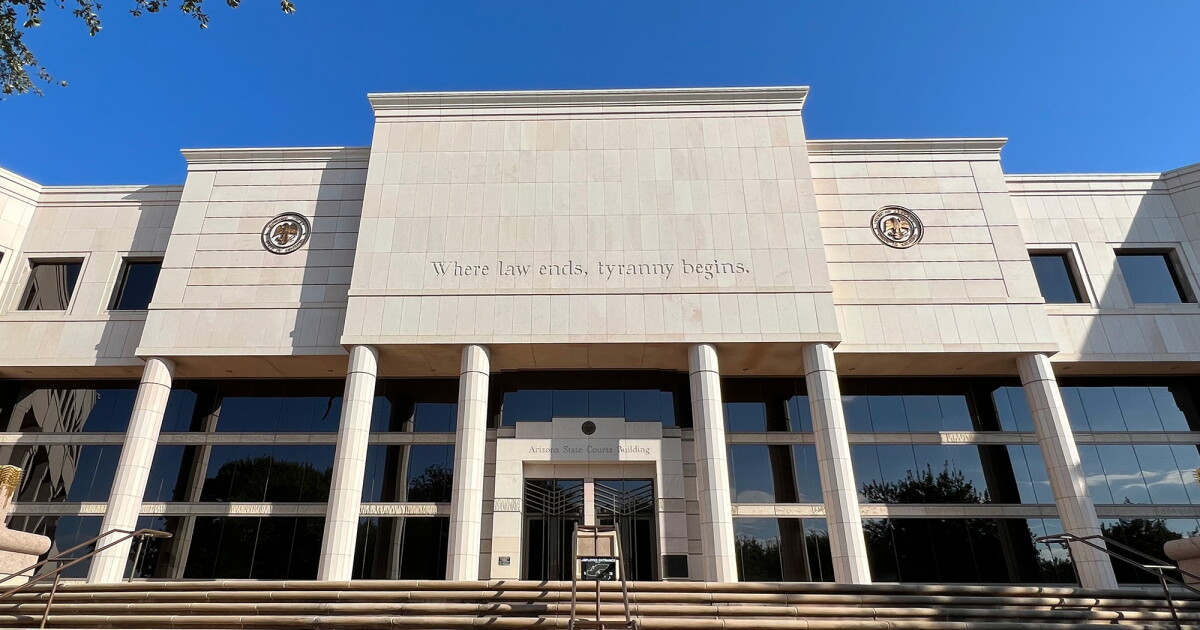
In a landmark decision, the Arizona Supreme Court has declared that government bodies that destroy public records after a request is made are violating state law. These entities can be held accountable and may even have to cover the legal fees of those who challenge their actions.
The ruling provides new avenues for individuals who face obstacles in obtaining public records due to administrative delays or denials, potentially leading to the reimbursement of their legal expenses.
Justice Clint Bolick, authoring the opinion for the unanimous court, emphasized that judges should independently assess whether any exceptions to the public records law apply when a complaint is made regarding withheld documents. This can involve a private “in camera” review of the documents by the court.
However, the court’s decision also limits certain benefits for those seeking public records. Legal fees can only be awarded to challengers if they proceed with a lawsuit, even if they hired an attorney to negotiate with the agency outside of court.
Bolick acknowledged the potential unfairness of this stipulation, noting, “Public entities lack a financial incentive to fully and promptly comply with public records requests about the threat of attorney fees for incorrectly denying the request.” He added that those unable to afford a lawsuit might be denied access to public records, but he stated this is an issue for the Legislature to resolve, not the judiciary.
This decision marks a partial success for Matthew Abraham, who had previously been denied access to certain documents from the University of Arizona. The case now returns to a trial judge for a reevaluation under the new guidelines to determine the public status of the records.
Abraham’s requests were part of his investigation into whether the University adhered to Proposition 107, a 2010 constitutional amendment that forbids preferential treatment or discrimination based on race, sex, color, ethnicity, or national origin in public sectors, including universities.
The Supreme Court found the University’s decision to destroy an audio recording constituted an illegal records denial. This opens the possibility for Abraham to recover his legal fees for both the denied records after he filed suit and those withheld beforehand.
The case’s return to the trial court will ascertain if Abraham “substantially prevailed” in his legal pursuit, which influences whether the University must cover all his legal costs. Meanwhile, Abraham’s other claims about wrongful denial of promotions and his April termination are still pending, with a hearing set for November 20 in Pima County Superior Court.