WNBA at 30: Navigating Leadership Challenges and Celebrating Milestones
The WNBA celebrates its 30th season amidst a mix of triumphs and challenges. As the league marks this significant milestone, questions loom over leadership effectiveness and the evolving dynamics with players and fans.
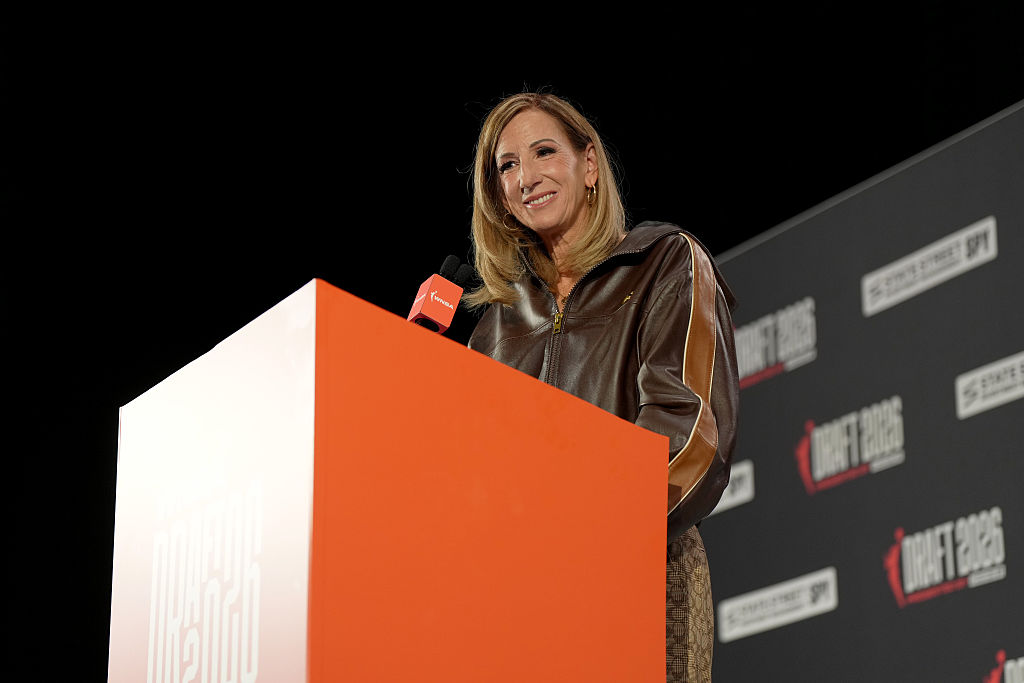
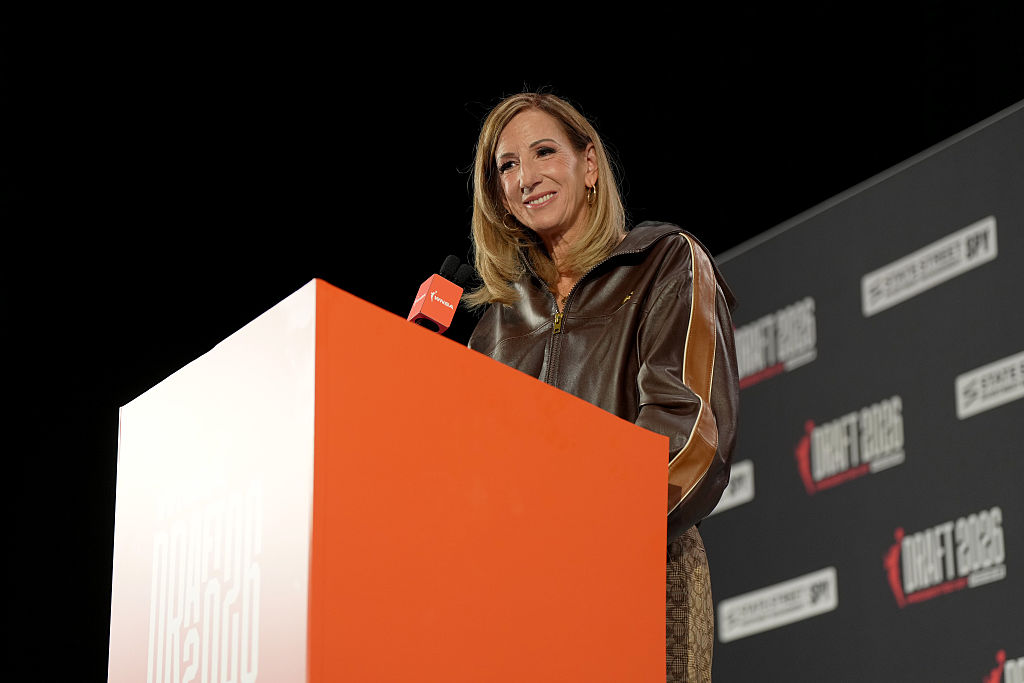
The league’s commissioner, Cathy Engelbert, finds herself at a crossroads. Despite celebrating the league’s growth since its inception, her leadership style has come under scrutiny. Recent events, including her being booed during the Las Vegas Aces championship trophy presentation, highlight a disconnect with fans and players.
In a recent press conference, Engelbert faced criticism for her response to a journalist’s question about her future with the league. Her reaction, questioning whether the same query would be posed to a male counterpart, struck a chord with many. The query was deemed appropriate, given the challenging negotiations and interactions with players that defined the past year.
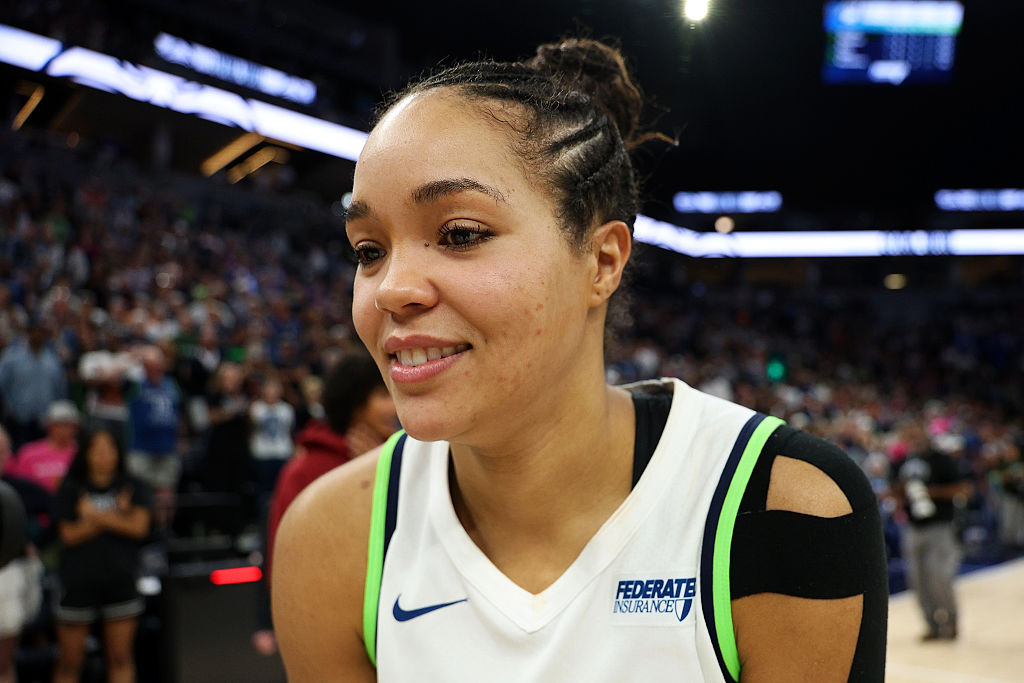
Engelbert’s leadership is further questioned due to her relationships with players like Nneka Ogwumike and Napheesa Collier. The tension is palpable, and the absence of meaningful dialogue has been noted. Similarly, Natasha Cloud’s allegations of being sidelined from marketing campaigns underscore a need for improved communication.
Leadership in the WNBA requires a nuanced understanding of diversity and inclusion, especially as the league boasts a significant percentage of Black players. Engelbert’s past political donations have raised eyebrows, with concerns about her ability to empathize with the diverse experiences of players.
Moreover, her comments on players’ housing needs were perceived as dismissive, framing a legitimate labor concern as an “emotional” issue. This approach contrasts with other leagues, like Unrivaled, which offer housing and daycare support, illustrating a need for the WNBA to adapt and provide similar benefits.
Despite these challenges, the WNBA has a rich history worth celebrating. Notable milestones include Sheryl Swoopes becoming the first player to sign a WNBA contract and Lisa Leslie’s historic dunk in 2002. Off the court, Sheila Johnson made history as the first Black woman to own a WNBA team.
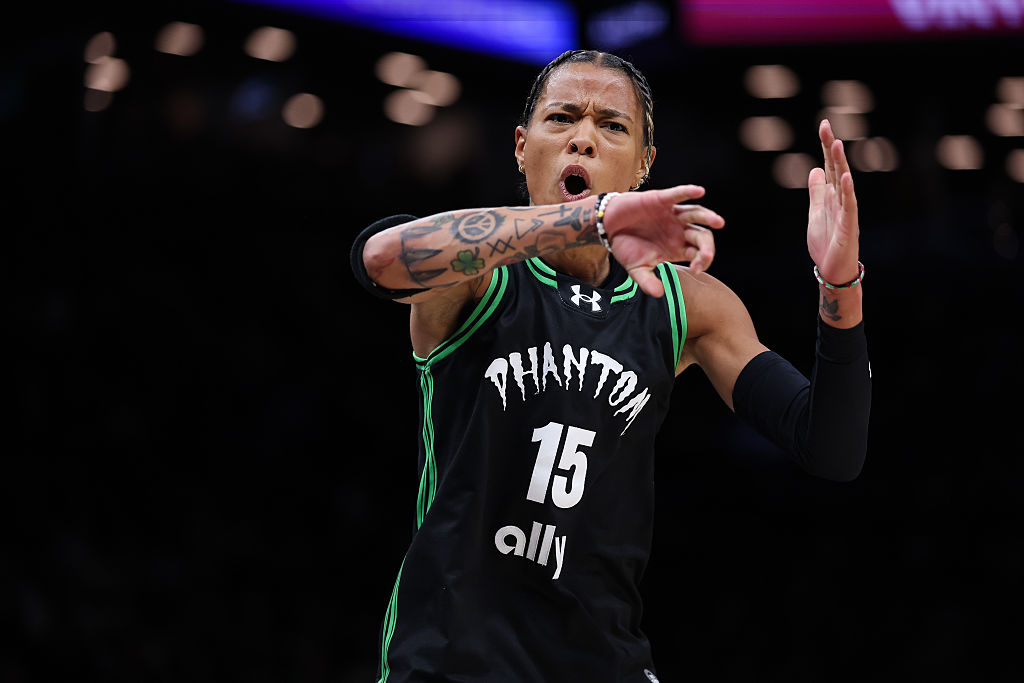
Current players like A’ja Wilson and Brittney Griner contribute to the league’s legacy through literature, sharing their experiences and insights. Meanwhile, the absence of Black women in head coaching positions remains a concern, with the league yet to appoint a Black woman as head coach since Noelle Quinn’s departure.
As the WNBA navigates its 30th year, the league’s future success hinges on addressing these leadership challenges and fostering a more inclusive environment for all players and fans.
SEE ALSO:
Bayou Barbie Got Her Dream House: Now We Pray No Black Woman Catches A Fever
On Dawn Staley, Black Women, And Disrespect In The Workplace