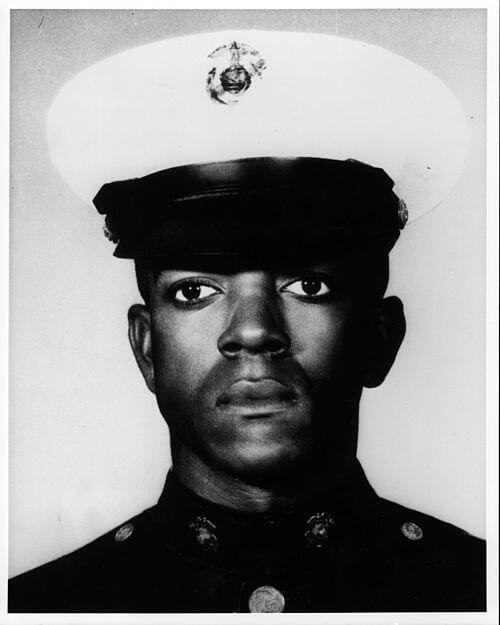
Every February, as Black History Month unfolds, stories of African American heroes come to the forefront, highlighting their critical roles in shaping the nation. One such story is that of Pfc. James Anderson Jr., a brave 20-year-old Marine from Compton, California. Anderson etched his name in history by becoming the first Black Marine to receive the Medal of Honor, a recognition of his ultimate sacrifice during the Vietnam War.
Anderson’s act of valor occurred on February 28, 1967, in Quang Tri Province, Vietnam. In a fierce firefight, he shielded his fellow Marines by using his body to absorb the explosion of a grenade, a decision that cost him his life but saved many others.
A Young Life of Promise
Born on January 22, 1947, in Los Angeles, Anderson grew up in Compton. As the eldest son among six siblings, he was raised in a household where faith played a central role, nurtured by his parents, Aggiethine and James Anderson Sr.
Anderson’s gentle and caring nature was well-known in his community. He excelled academically, graduating 10th in his class at Centennial High School, and was actively involved in music and church activities. Denise Johnson-Cross, his niece, recalled him as an excellent dancer and active in organizations like the Boys and Girls Clubs, as reported by the Department of Defense in 2023.
Initially pursuing pre-law at Los Angeles Harbor Junior College, Anderson’s path took a turn when he enlisted in the Marine Corps on February 17, 1966, amidst the Vietnam War escalation. His sister Mary shared with the Los Angeles Times that his ultimate goal had been to serve as a minister, stating, “His whole life was centered on being a minister and working for the Lord. That was his purpose.”
Before his deployment, Anderson’s life in Compton included driving a unique 1965 Chevrolet Impala, which he cherished. Sadly, this car was stolen shortly after he left for Vietnam.
A Marine’s Journey to Vietnam
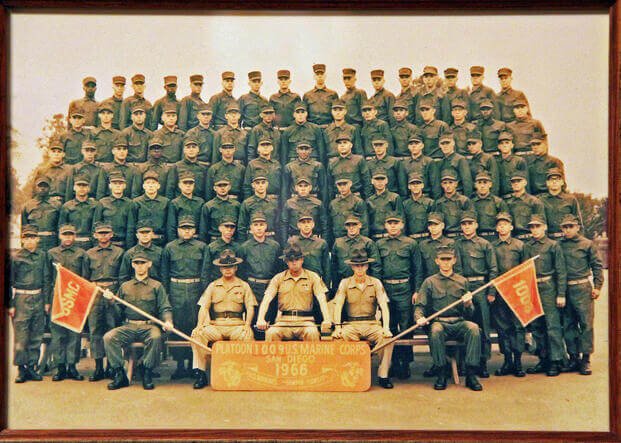
After completing recruit training at the Marine Corps Recruit Depot in San Diego, Anderson advanced to Camp Pendleton for further infantry training. By December 1966, he was in Vietnam with Company F, 2nd Battalion, 3rd Marines, 3rd Marine Division, stationed in Quang Tri Province, a perilous region near the DMZ.
His unit was involved in Operation Prairie II, a campaign against the North Vietnamese Army’s 324B Division. By February 1967, the mission intensified, leading to the events that would define Anderson’s legacy.
Heroic Sacrifice Near Cam Lo
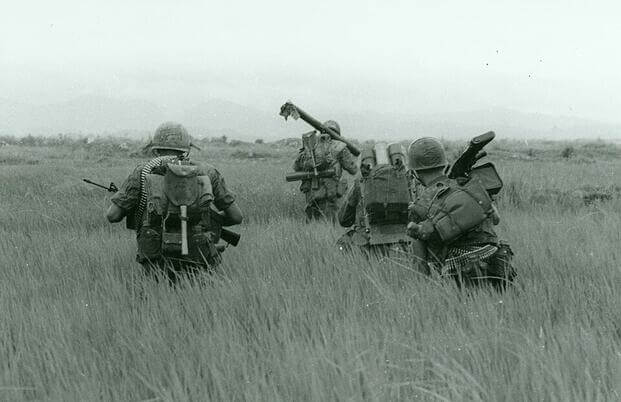
On February 27, 1967, Anderson’s unit was called to support a reconnaissance patrol under attack near Cam Lo. The following day, as they advanced through dense jungle, they were ambushed by North Vietnamese forces.
Amidst the chaos, a grenade landed near Anderson and his fellow Marines. Without hesitation, Anderson pulled the grenade close to his chest, sacrificing himself to protect those around him. This selfless act saved many lives, embodying the essence of bravery and heroism.
Maj. William T. Macy, who informed Anderson’s family of his death, remarked on their resilience and pride in their son’s actions.
A Legacy of Valor
In a solemn ceremony on August 21, 1968, Anderson was posthumously awarded the Medal of Honor. The award was presented to his parents, marking a historic moment as he became the first Black Marine to receive this highest military honor.
Anderson’s recognition was a milestone in the Marine Corps, reflecting a broader shift in acknowledging the contributions of African Americans in the military. As his sister Mary noted, Anderson’s actions stemmed from his deep faith and care for others.
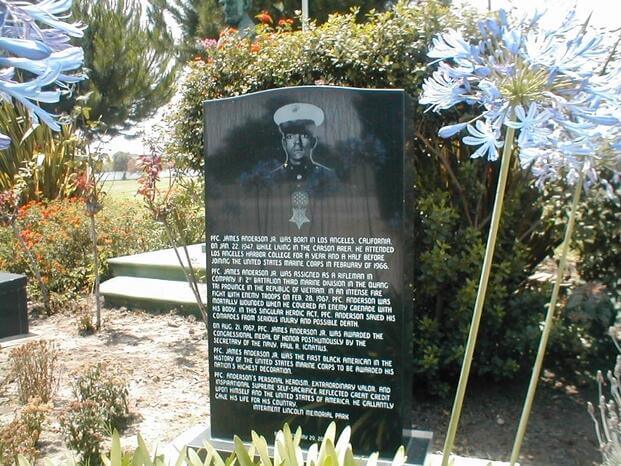
His memory is preserved not only through his Medal of Honor but also through numerous dedications, including buildings, streets, and memorials across the country.
Commemorating a Hero
In the years following his sacrifice, Anderson’s legacy has been honored through various dedications. Anderson Hall at Marine Corps Base Hawaii and USNS Pfc. James Anderson Jr. are among the tributes to his bravery.
In 2024, the post office in Compton was renamed in his honor, a gesture that holds personal significance to his family. Retired Sgt. Maj. Charles Cook Jr. emphasized the importance of Anderson’s actions, stating, “That’s a Black man who had went through all kinds of stuff before he got there to do something bigger than him. That’s a Black veteran.”
The renaming of the post office serves as a reminder of Anderson’s enduring impact, with letters once addressed to “the mother of the Medal of Honor recipient” passing through its doors. His sacrifice continues to inspire, leaving a legacy of courage and selflessness that resonates through time.