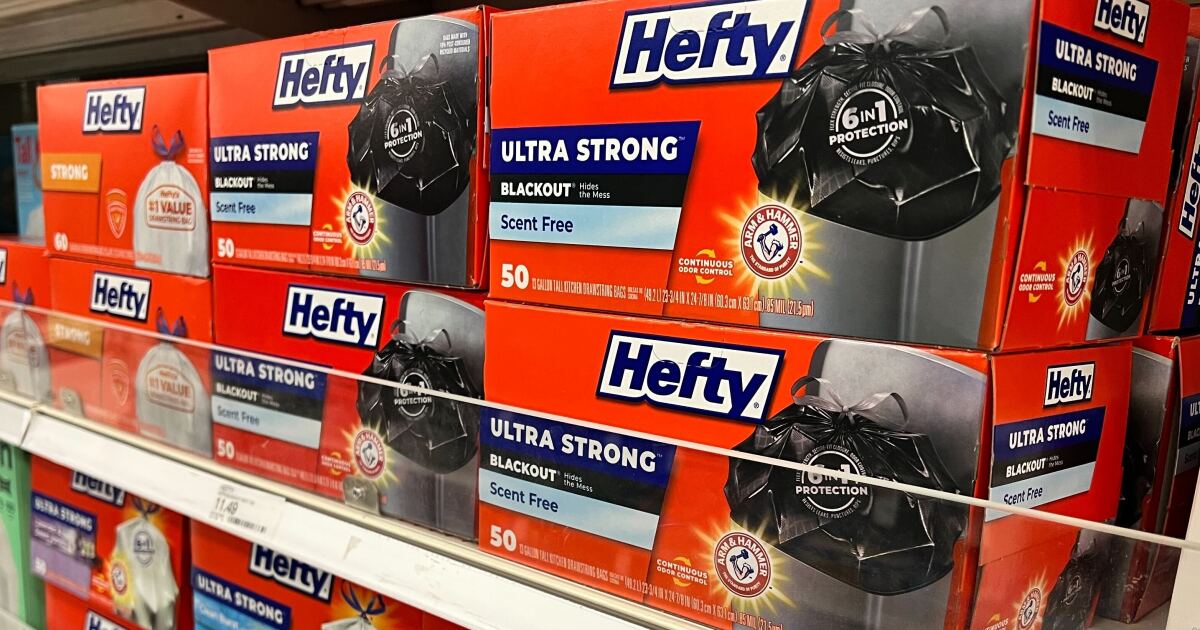
The Arizona attorney general has announced the resolution of a legal dispute surrounding Hefty Recycling Bags, marking the conclusion of a consumer fraud investigation that spanned multiple states.
This settlement follows nearly six months of legal proceedings in Arizona and two other states, where allegations were made against Reynolds Consumer Products for misrepresenting Hefty bags as recyclable.
Kris Mayes, the Attorney General, claimed that the misleading labeling led to operational issues at recycling centers, as the bags frequently obstructed sorting machinery.
As part of the settlement, Reynolds has agreed to modify the packaging of their products to eliminate any claims related to recyclability.
The company is also set to pay over $210,000 covering fines, legal expenses, and compensation.
Despite these terms, the agreement does not compel Reynolds to recall or withdraw existing products from retail outlets, and the company maintains its stance of no wrongdoing.
The lawsuit was rooted in the marketing strategies employed by Reynolds, which included labeling the bags as “recycling bags” over several years. Mayes argued that this was misleading to environmentally conscious consumers in Arizona.
Many customers, trusting the company’s representation, purchased and used these bags, only to discover that they disrupted recycling processes by jamming sorting equipment, leading to facility shutdowns.
Attorney General Mayes stated, “Arizonans believed they were doing the right thing buying these bags and they paid a premium for these so-called recycling bags when, in fact, they were paying for something that harmed out ability to recycle.” She stressed the importance of the issue by noting, “When you try to put these bags into recycling it often messes with the recycling equipment at the different recycling facilities.”
One recycling firm in Phoenix reportedly faces frequent shutdowns to untangle plastic bags, incurring significant costs and posing risks to workers involved in the disentanglement process.
Although Reynolds has not admitted any fault, the settlement permits the state to revisit the case if the company fails to adhere to the agreed terms.