Unraveling the Impact of Wildfires on Climate in Northern Regions
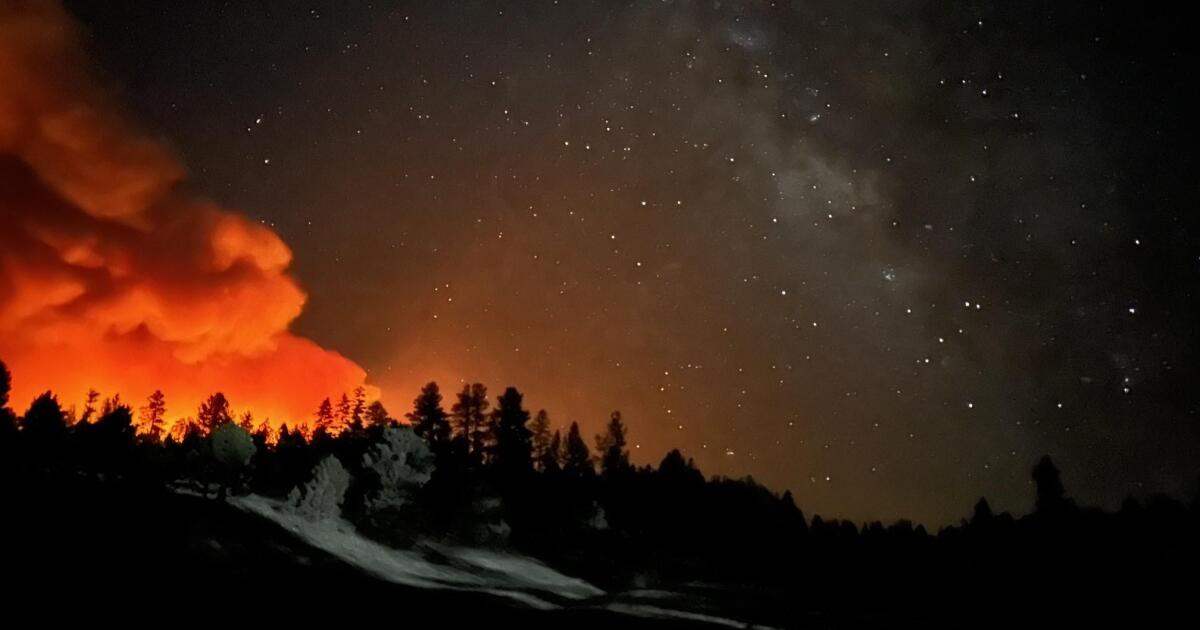
As wildfires become more prevalent in Canada and Alaska, a deeper understanding of their climate implications has emerged. Recent research, involving a collaboration with Northern Arizona University, has shed light on how these blazes affect permafrost and, consequently, the climate.
Permafrost, a layer of soil that remains frozen year-round, plays a pivotal role. When wildfires strike, they can thaw this soil, releasing trapped carbon into the atmosphere, thus contributing to greenhouse gas emissions. The study noted that the most significant impacts occur when permafrost thaws, particularly in Alaska, leading to a warming of the climate.
Conversely, in Canada, the wildfires have resulted in a net cooling effect. This phenomenon is attributed to the less severe nature of these fires, which results in minimal permafrost thawing and exposes more snow. The snow’s reflective properties help send sunlight back into space, counteracting warming.
Scott Goetz, a co-author of the study and a professor at NAU, emphasized, “A lot of the carbon that goes into the atmosphere, not just during the fire, but after the fire as it thaws deeper and deeper and you get emissions coming out of the ground, out of the permafrost soils. So that actually ends up being a big factor.”
This insightful research was documented in the journal Nature Geoscience.
Comprehensive Analysis of Wildfire Data
Led by a civil engineering researcher from Boise State University, the research team analyzed over half a million wildfire incidents, considering numerous attributes ranging from weather conditions like wind speed and humidity to human influences such as development density.
Concerns Over Wildfire Management Strategies
In a related development, 11 Democratic senators and representatives raised concerns about the amalgamation of four Department of Interior agencies’ wildfire programs. They argued that this consolidation is occurring “without adequate analysis, transparency, or planning to prevent disruption during what is expected to be a significant fire season or to safeguard long-term wildfire preparedness.”
Local Efforts to Mitigate Wildfire Risks
In Scottsdale, users of the Dove Valley Trail should be aware of ongoing efforts to reduce wildfire risks and improve emergency accessibility, which may necessitate considering alternate routes during this period.
Grand Canyon Reopens Trail
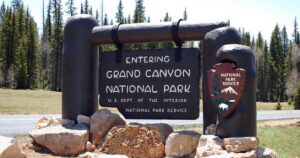
The National Park Service has announced the reopening of a section of the Grand Canyon trail, a popular route for hikers aiming to achieve their “rim to rim” hiking goals.
Tracking Legislative Reforms to Address Wildfire Challenges
As wildfires continue to challenge the Western states, legislative bodies are actively seeking solutions. A new tracking tool has been introduced to monitor these reform efforts, highlighting the ongoing commitment to tackle this pressing issue.