Democrats Gain Momentum in Key U.S. Elections, Republicans Reassess Strategies
Recent elections in Wisconsin and Georgia have highlighted a noticeable shift toward Democratic victories, raising questions about the Republican Party’s strategies ahead of the crucial November midterms. This political landscape evolution is seen as a warning sign by some GOP members and a potential indication of broader political shifts.
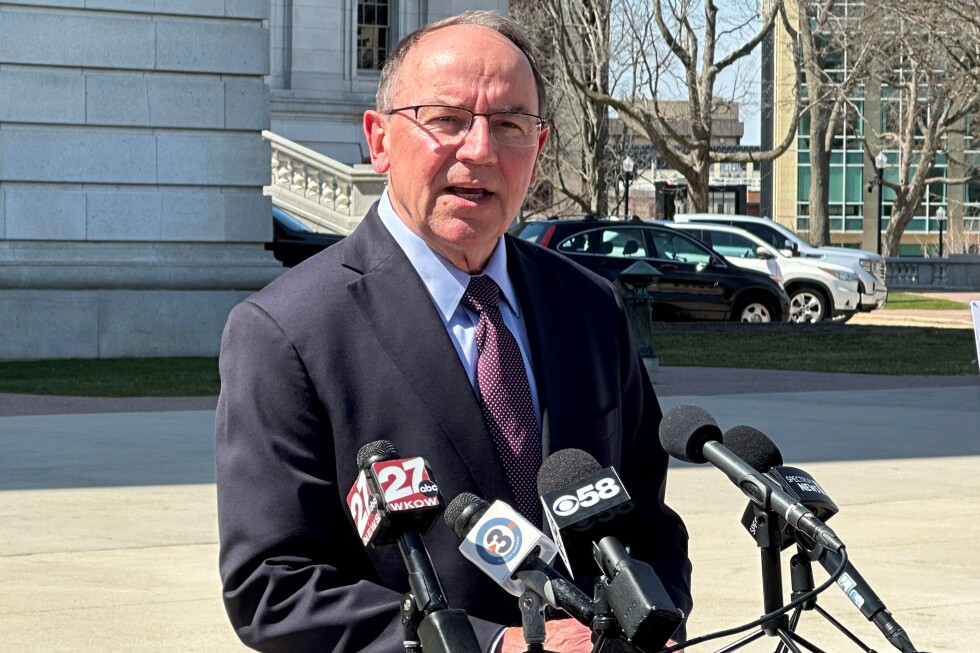
U.S. Rep. Tom Tiffany, a Republican gubernatorial candidate, candidly acknowledged the party’s setbacks, stating, “We got our butts kicked,” after Democrats secured wins in the Wisconsin Supreme Court and the mayoral race in Waukesha, a traditionally conservative area near Milwaukee. Additionally, the Republican candidate in Georgia’s special election to replace Marjorie Taylor Greene won by a narrower margin than expected, which has further amplified concerns within the GOP.
The recent Democratic successes are part of a broader trend, with Democrats outperforming expectations in various regions. Jared Leopold, a Democratic consultant, observed, “In rural, urban, red, blue, Democrats have overperformed everywhere,” suggesting these results could foreshadow outcomes for the 2026 elections.
Shifting Political Dynamics
Despite these developments, some Republicans remain confident in their ability to recover. Stephen Lawson, a Georgia strategist, claimed that “the sky is not falling” and emphasized that Republican fundraising remains robust. However, he acknowledged the need for the party to scrutinize the recent election results closely.
Democrats have shown significant strength in special elections, flipping a Texas state Senate district and winning a Florida state House seat, even in areas with strong Republican ties. In Georgia, the race to succeed Greene saw Republican Clay Fuller win by 12 percentage points, a significant drop from Greene’s previous 29-point victory margin. Democratic strategist Meredith Brasher described this as “a red alarm for Republicans.”
Impact on Upcoming Elections
Georgia’s political landscape is particularly crucial this year, with key races such as the governor’s office and Sen. Jon Ossoff’s seat. The state has seen Democratic victories in statewide races, like the Public Service Commission, where concerns over rising electricity rates have played a significant role.
Wisconsin has also witnessed Democratic momentum, with a 20-percentage-point victory in the state Supreme Court race. Devin Remiker, the Wisconsin Democratic Party Chairman, viewed these outcomes as a “very clear sign of momentum and enthusiasm for Democrats in the fall.”
Local Implications and National Trends
In Wisconsin, Democrat Alicia Halvensleben’s victory in Waukesha against a conservative Republican underscored the changing dynamics. She attributed part of her success to local issues and the perceived inaction of the state legislature, reflecting a broader dissatisfaction that could influence future elections.
As the November midterms approach, these developments suggest a potential shift in voter sentiment, posing challenges and opportunities for both parties as they navigate the evolving political landscape.