As the Pentagon faces budgetary constraints, the roles of the National Guard and Reserve are expanding, placing significant pressure on their readiness due to outdated equipment and increasing mission demands. This situation is further complicated by the uncertainty surrounding future funding.
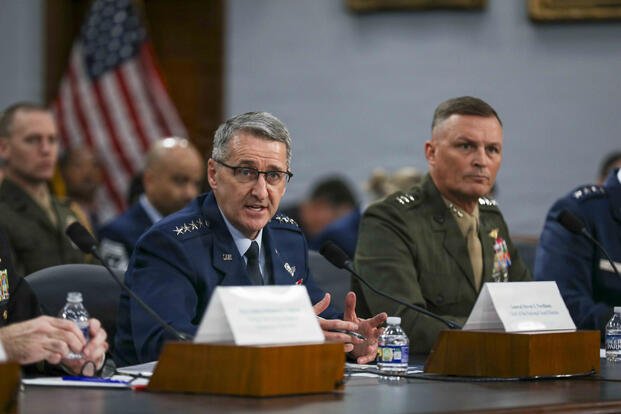
During a hearing with the House Appropriations defense subcommittee, leaders from the Guard and Reserve expressed concerns about their growing operational responsibilities and the challenges posed by financial limitations and aging military assets. Army Gen. Steven Nordhaus emphasized the disparity in resource allocation, stating, “We represent 20% of the joint force, yet we operate on less than 4% of the department’s budget.”
Budget Reallocation Concerns
There is significant scrutiny over the Fiscal Year 2027 budget, particularly regarding how funds for the Guard and Reserve will be managed. For the first time, the National Guard and Reserve Equipment Account has been included in the president’s budget request, moving it from a standalone, congressionally directed fund into the broader Department of Defense budget.
Members of Congress, such as Rep. Betty McCollum (D-MN), expressed concerns that this shift could undermine transparency and diminish the ability to address urgent equipment needs. “We do not yet have the supporting documents…to understand the details of the request,” McCollum stated.
Challenges in Operational Readiness
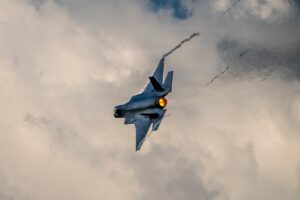
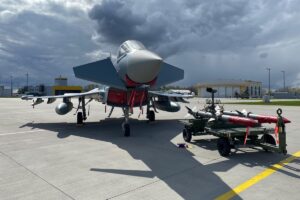
Lt. Gen. John Healy, chief of the Air Force Reserve, highlighted the impact of aging aircraft and supply chain issues on operational capabilities, noting that 77% of the fleet is over 39 years old and facing a $1.5 billion maintenance backlog.
The strain is compounded by a high operational tempo, with reserve units frequently deployed for global missions. “Missed training days are nearly impossible to recover,” noted Army Reserve Chief Lt. Gen. Robert Harter, emphasizing the challenges of maintaining readiness with part-time troops amid fiscal uncertainties.
Guard and Reserve: Active Participants
Guard and Reserve leaders stressed that their forces play a crucial role in current global operations, countering the perception that they are merely a backup force. Over 41,000 National Guard troops are currently deployed to support both international and domestic missions.

Army Reserve Chief Lt. Gen. Robert Harter reiterated the active role of the reserves, saying, “We are not a force in reserve. We are in the fight.” The reliance on reserve components is evident, with more than 10,000 U.S. troops involved in enforcing the Iran blockade.
Modernization and Equipment Challenges
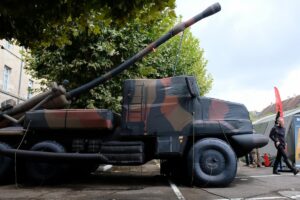
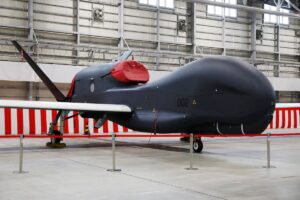
Military leaders are increasingly worried about the impact of outdated equipment on readiness, with significant portions of the fleet facing decommission without replacement. Healy warned of a “significant imbalance” that threatens national security if modernization lags.

Leaders caution that Guard and Reserve units often operate older systems compared to active-duty forces, creating potential challenges for future conflicts. “To sustain strategic dominance, we must modernize concurrently with our services,” Nordhaus emphasized.
Domestic deployments are also affecting readiness, with some lawmakers expressing concern that these missions could detract from combat preparedness. Guard leaders are working with federal agencies to manage costs while fulfilling both domestic and international obligations. National Guard deployments have already cost nearly $600 million, illustrating the financial and operational pressures faced by the force.