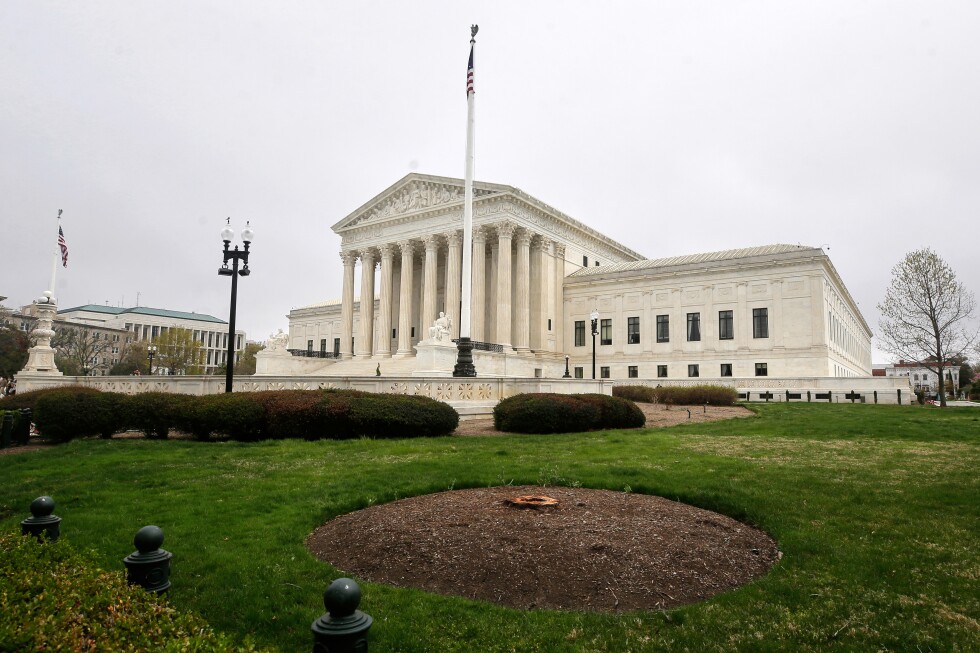
Supreme Court Questions Constraints on Federal Regulatory Authority in Telecom Case
The U.S. Supreme Court on Tuesday expressed hesitation about imposing restrictions on the regulatory powers of federal bodies, as it reviewed a case involving substantial fines imposed on major telecom companies, Verizon and AT&T. This case arose after the Federal Communications Commission (FCC) penalized these companies for allegedly mishandling customer location data.
Verizon and AT&T petitioned the Supreme Court following FCC’s decision to impose fines exceeding $100 million, arguing that the process was unconstitutional because it limited their ability to present their defense in court. Despite this, some justices appeared doubtful of the companies’ claims. Chief Justice John Roberts remarked, “I wonder if, at the end of the day, you’re really just talking about a PR problem,” highlighting skepticism during the proceedings.
The Trump administration supported the FCC’s process, stating it is a crucial regulatory measure and assured that a legal avenue remains open for companies. Furthermore, as pointed out by Justice Brett Kavanaugh, companies are not required to immediately pay the fines, which he described as a favorable outcome for the telecom giants, saying, “It seems like you’ve won on the law going forward one way or the other.”
Historically, the Supreme Court’s conservative wing has curtailed federal agencies’ powers, such as by reversing long-standing court decisions that favored regulators and removing an agency’s key instrument in combating securities fraud. A Supreme Court decision in favor of Verizon and AT&T could potentially influence other agencies using similar enforcement strategies, experts suggest.
Currently, companies facing FCC regulation violations can either pay the fine and later challenge it in an appeals court or opt not to pay and await a federal lawsuit, possibly leading to a jury trial. Doug Orvis, an experienced telecom attorney, notes that these options are often impractical, leading most companies to comply by paying the fines.
The Supreme Court is expected to issue a ruling by late June.