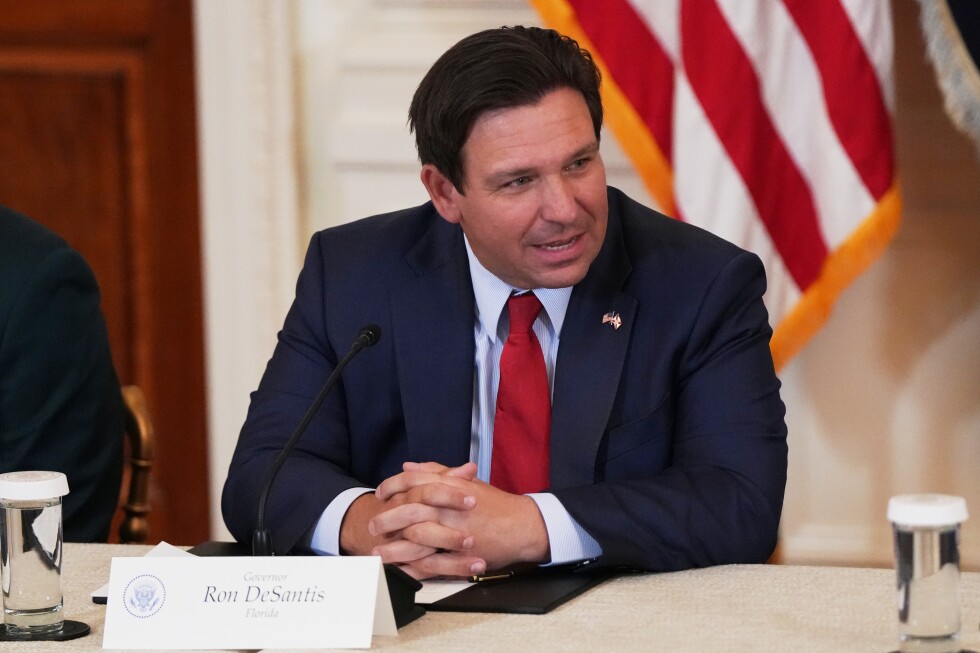
In a political landscape often dominated by familiar faces, Florida’s Governor Ron DeSantis is attempting to reclaim a significant role in the Republican Party. Despite earlier setbacks, DeSantis is thrusting himself into the limelight with a special legislative session focused on redistricting, a move that could reshape Florida’s political map.
DeSantis, who had previously ended his presidential run and supported Donald Trump, is now advocating for a congressional map overhaul in Florida. His proposed map, which surfaced just as the session commenced, aims to boost Republican representation by potentially adding up to four seats. This mirrors Democratic gains from a recent Virginia referendum. The session’s agenda also included discussions on AI regulations and vaccine mandate relaxations, though these initiatives encountered resistance from House Speaker Daniel Perez.
Redistricting: A Double-Edged Sword
The fast-tracked proposal for redrawing Florida’s congressional map is set to be voted on by the House and swiftly by the Senate. While GOP leaders in Washington back DeSantis’ plan, concerns linger about potential gerrymandering backlash that might inadvertently favor Democrats. Historically, redistricting has been a contentious issue, with both parties seeking an edge in upcoming elections.
DeSantis’ map could significantly alter districts in areas such as Orlando, Tampa Bay, Miami, and Fort Lauderdale, possibly displacing Democratic Representatives. The governor argues that the 2020 census underrepresented Florida’s population, necessitating these changes. However, the proposal has sparked criticism and legal threats from Democrats, who cite partisan motives.
Political Dynamics and Legislative Challenges
The Florida Legislature has shown increasing independence from DeSantis, with leaders like Perez and Senate President Ben Albritton emphasizing constitutional restrictions on partisan redistricting. DeSantis’ additional proposals on AI and vaccines did not advance, highlighting intra-party disagreements. On AI, DeSantis wanted state-level regulations, conflicting with Trump’s vision for federal oversight. Regarding vaccines, his proposal for a conscience-based exemption met resistance, with Perez citing longstanding public health practices.
National Implications and Future Prospects
DeSantis’ efforts in Florida are watched closely by political observers and influential leaders. The governor’s relationship with key Republican figures remains pivotal. While DeSantis has faced challenges within his party, supporters like lobbyist Brian Ballard praise his strategic acumen. Yet, potential presidential aspirations could be hampered by past conflicts with Trump allies.
In summary, as the redistricting battle unfolds, DeSantis navigates a complex political environment. His actions could have far-reaching implications for both Florida’s political landscape and his future within the Republican Party.