The Colorado River, a crucial water source for millions, is facing unprecedented challenges due to prolonged drought conditions and an exceptionally dry winter. Amidst ongoing tensions over water allocations, three key states have proposed a temporary solution to manage water usage until 2028.
Arizona, California, and Nevada, known as the Lower Basin states, have put forward a plan to significantly reduce their water withdrawals from the Colorado River. This proposal comes after protracted stalemates among the seven states dependent on the river’s resources. The plan, pending federal approval, aims to provide a temporary reprieve, allowing time for further negotiations on a long-term strategy.
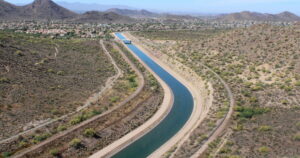
The proposed cutbacks are substantial, with the three states collectively agreeing to reduce usage by over 3.2 million acre-feet by 2028. Arizona would see the largest reduction at 760,000 acre-feet annually, followed by California and Nevada at 440,000 and 50,000 acre-feet, respectively. State officials have indicated that the cuts will adhere to existing priority systems, with significant impacts anticipated for the Central Arizona Project (CAP), a critical water supply channel for Phoenix and Tucson.
Funding the water cuts has been a contentious issue, with federal support playing a pivotal role since 2022. The Inflation Reduction Act, introduced under the Biden Administration, allocated $4 billion for Colorado River initiatives. A portion of this funding was used to incentivize farmers to reduce irrigation, leaving more water in reservoirs. Although spending was suspended by the Trump administration in 2025, a recent update suggests that approximately $1 billion may still be accessible for these efforts.
Tom Buschatzke, Arizona’s water resources director, noted that $454 million of the federal funds have been approved for allocation, with $354 million earmarked for Lower Basin states and $100 million for Upper Basin states like Colorado and Utah. The role of these funds in long-term water management remains a topic of debate among experts.
John Berggren from Western Resource Advocates stressed the necessity of using federal funds for sustainable, long-term water conservation measures rather than short-term solutions. A coalition of businesses and trade groups has also emphasized the importance of federal investment in maintaining the Colorado River’s viability.
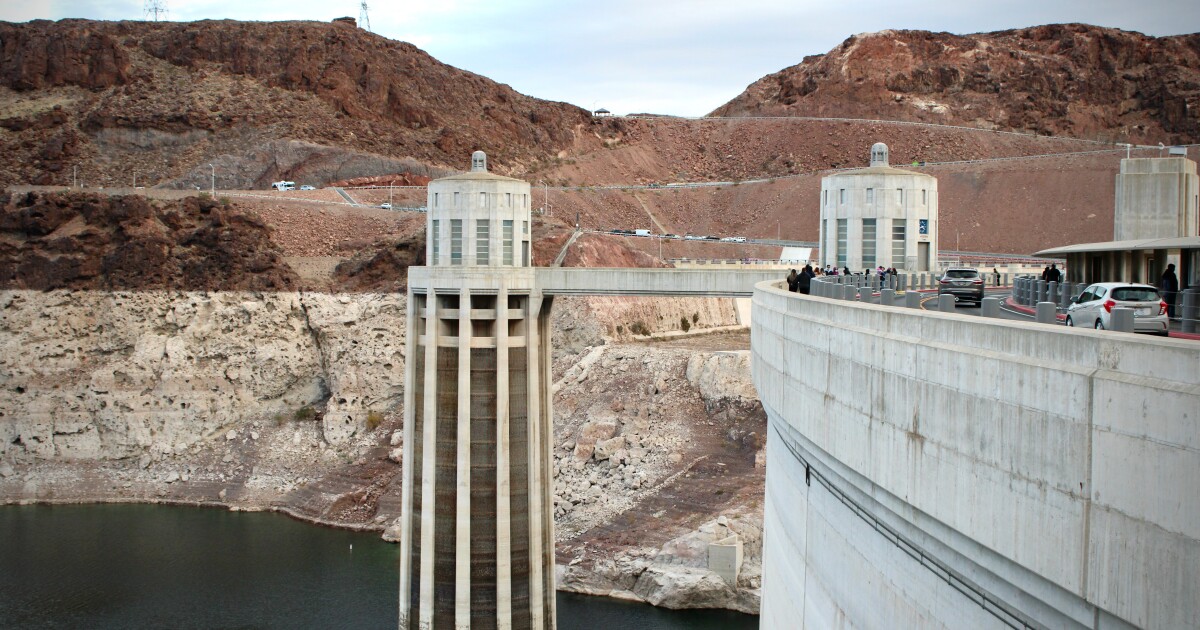
As the Lower Basin proposal moves forward, it highlights ongoing disputes with Upper Basin states, which have resisted mandatory cutbacks. Chuck Cullom, of the Upper Colorado River Commission, criticized the proposal’s approach to managing upstream reservoirs and its perceived inadequacy in safeguarding major reservoirs like Lake Powell and Lake Mead.
The proposal’s fate now rests with the federal Bureau of Reclamation, which oversees reservoir operations. While the plan is designed to meet federal requirements, its acceptance remains uncertain without unanimous agreement among all seven states. Discussions of appointing a mediator to facilitate future negotiations have emerged, with both Upper and Lower Basin states expressing openness to this approach.
As stakeholders await the federal decision, the potential for further legal disputes looms, particularly concerning water deliveries between Upper and Lower Basin states. Arizona’s Buschatzke hinted at possible legal actions if water-sharing agreements are not honored, underscoring the complex and ongoing nature of Colorado River water management.