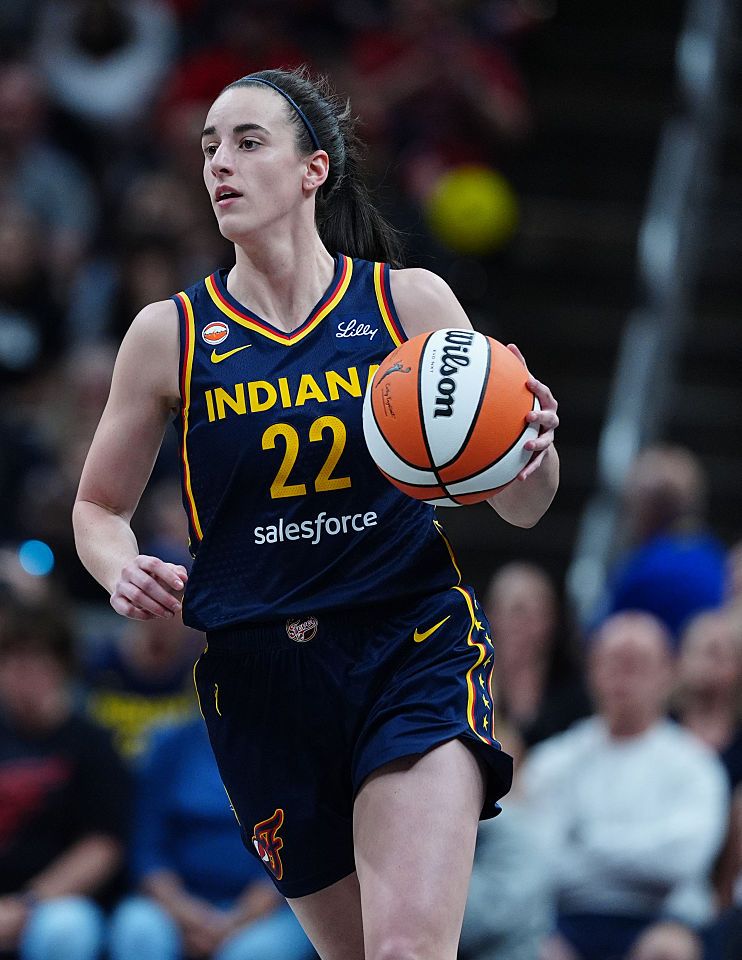
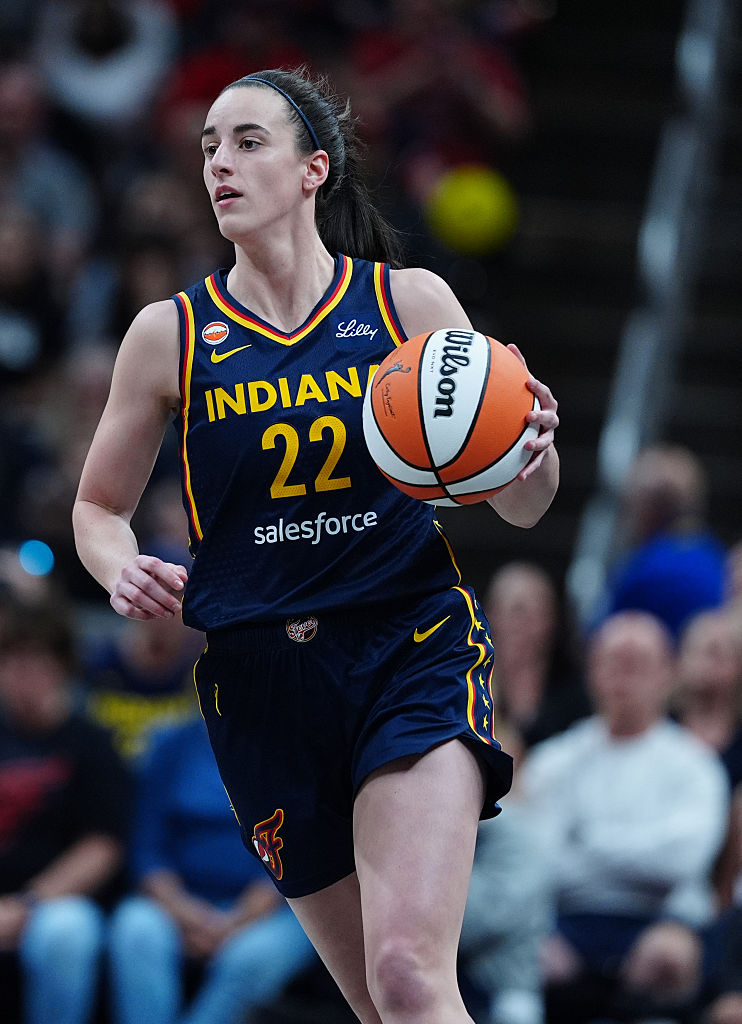
In the world of professional basketball, rising stars often face the challenge of living up to the hype that surrounds them. Caitlin Clark, a standout player who first gained attention during her college days at Iowa, is at the center of such a narrative. While celebrated for her exceptional skills and potential, there are concerns that she might be missing opportunities to fully realize her career and platform.
A passionate basketball enthusiast, who identifies as a Black woman, has expressed concerns over Clark’s trajectory. She aims to provide constructive criticism from a place of love for the sport and a desire for women’s basketball to thrive. Clark’s journey has been closely followed since her college years, and the writer hopes to encourage a shift in her approach.
Clark’s on-court performance, while impressive, has not always aligned with her potential. Criticisms focus on her shooting efficiency and defensive play, aspects that require intensive practice and refinement. Despite her remarkable passing and scoring abilities, her high turnover rate and defensive vulnerabilities have been noted as areas needing improvement.
Modeling her game after players like Luka Doncic, Steph Curry, Maya Moore, and Jimmer Fredette, Clark has set high standards for herself. However, comparisons highlight not only her aspirations but also the gap between her current performance and the elite level she aims to reach. The dedication to off-the-court conditioning and strategic gameplay, as exemplified by these athletes, is crucial for her growth.
Reggie Miller’s feedback, during Clark’s appearance on NBC’s NBA coverage, served as a reality check. Miller compared her to Payton Pritchard, a commendable NBA guard, rather than the superstar figures she perhaps hoped to emulate. Such feedback, although hard to hear, is essential for her development.
Clark’s interactions with coaches and her response to feedback have also been scrutinized. Instances of walking away from coaching advice, such as her recent exchange with Indiana Fever assistant coach Briann January, suggest a reluctance to embrace guidance. The absence from a game against the Tempo due to a reported back issue, later speculated to be strategic rest, further complicates the narrative.
The portrayal of Clark’s character extends beyond her interactions with players and coaches to her treatment of staff and fans. Past incidents involving confrontations with camera operators and security personnel raise questions about her conduct. Additionally, the behavior of her fan base, which has sometimes mirrored her on-court demeanor, has led to troubling incidents of racism and threats against fellow players.
Clark’s association with certain figures, such as attending a concert by Morgan Wallen, who has a controversial past, has sparked further debate. This choice, especially given the racial undertones, has been seen as sending a conflicting message in the context of her platform in a league built largely by Black women.
The writer calls for Clark to reflect on her legacy and the responsibilities that come with her platform. Emphasizing respect, open-mindedness, and support for her teammates, especially those who differ from her, is vital. By addressing these areas, Clark can shape a positive legacy and contribute meaningfully to the future of basketball.
SEE ALSO:
Caitlin Clark Was On Stage With Country Music Singer Morgan Wallen
WNBA: Free Raven Johnson, Or At Least Protect Her