In a world where the boundaries between fans and celebrities are increasingly blurred, the rise of parasocial relationships is reshaping the dynamics of sports fandom. The WNBA, experiencing unprecedented growth, exemplifies how these connections can both elevate and challenge the sport.
The Magic of Early Fandom
Decades before social media transformed celebrity access, fans already felt deep connections to their idols. One memorable encounter occurred when a young fan spotted Magic Johnson on a Los Angeles freeway. “We locked eyes, and he waved,” recalls the fan, describing the thrill of being acknowledged by their basketball hero. This moment exemplifies the early seeds of parasocial relationships, where fans felt intimately connected to public figures.
WNBA’s Growing Connection with Fans
Today, the WNBA actively fosters these connections. The league invests heavily in marketing to create content that bridges the gap between players and their supporters. This strategy has fueled a parasocial dynamic, as fans develop one-sided relationships with athletes. Sociologists Donald Horton and Richard Wohl introduced the term “parasocial” in 1956 to describe these interactions, and it remains relevant as fans delve into players’ lives beyond the court.
However, with increased visibility comes challenges. Players appreciate support when it’s positive but struggle with criticism when fans cross boundaries. For example, when WNBA players DiJonai Carrington and NaLyssa Smith ended their relationship, fans speculated about the breakup, turning it into a public spectacle.
Challenges of Increased Visibility
For WNBA veterans accustomed to anonymity, the surge in fan engagement presents new challenges. LA Sparks guard Kelsey Plum recently criticized fans who waited outside a hotel for autographs, calling it “weird.” Such behavior echoes long-standing celebrity culture, as seen when Michael Jackson and Madonna interacted with fans from hotel balconies.
The league’s business model, which emphasizes close interaction, complicates the relationship between players and fans. The WNBA’s marketing strategy encourages fans to feel connected to players, but it also blurs the line between public and private lives. Players like A’ja Wilson and Natasha Cloud engage with fans online, creating a sense of intimacy that isn’t always reciprocated.
Navigating Parasocial Relationships
Lexie Brown of the Seattle Storm highlights the unique challenges faced by women athletes, noting that they are “so much more accessible and forward-facing” than their male counterparts. This accessibility fuels parasocial connections but also exposes players to criticism. Brown urges fans to consider their intentions, asking if they genuinely support women’s basketball or seek to be mean-spirited.
Players like Paige Bueckers and Azzi Fudd have navigated the delicate balance of sharing personal details while maintaining privacy. Bueckers candidly stated that their relationship status was “nobody’s business but our own,” emphasizing the right to control personal disclosures.
The Human Side of Athletes
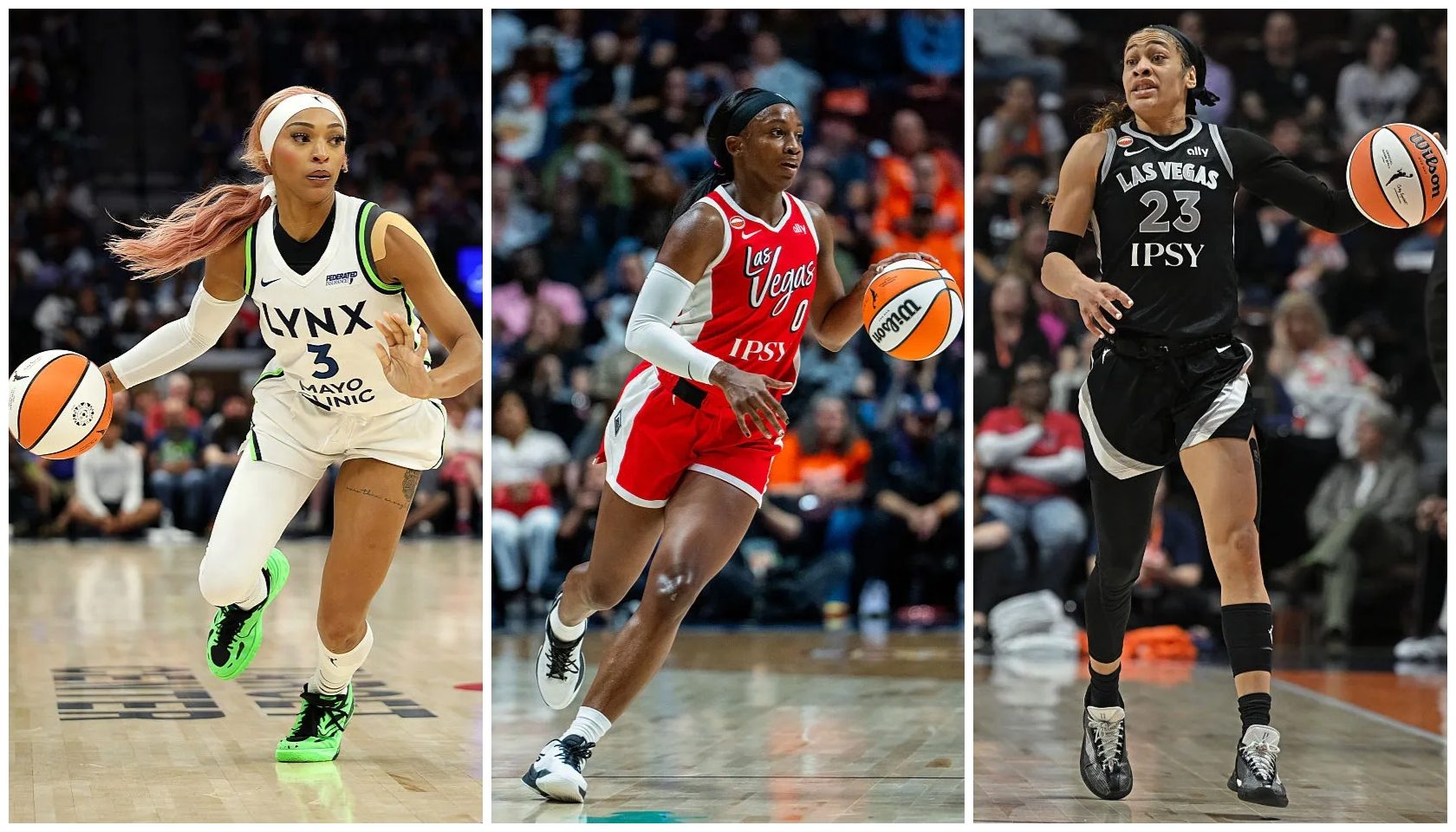
The WNBA’s approach has brought visibility and financial opportunities, yet it requires acknowledging players as individuals with personal lives and emotions. Las Vegas Aces’ players Jackie Young and Chennedy Carter recently addressed criticism by sharing personal struggles on social media, reminding fans of the unseen aspects of their lives.
Rookie Lauren Betts’ Player’s Tribune essay on mental health highlights the importance of recognizing athletes as complex individuals. As the WNBA continues to grow, fans are encouraged to extend grace and empathy to players, remembering that behind the screens are real people deserving respect and understanding.
SEE ALSO:
WNBA: Free Raven Johnson, Or At Least Protect Her
An Open Letter To WNBA Commissioner Cathy Engelbert