Hungary Reaffirms Commitment to International Criminal Court Membership
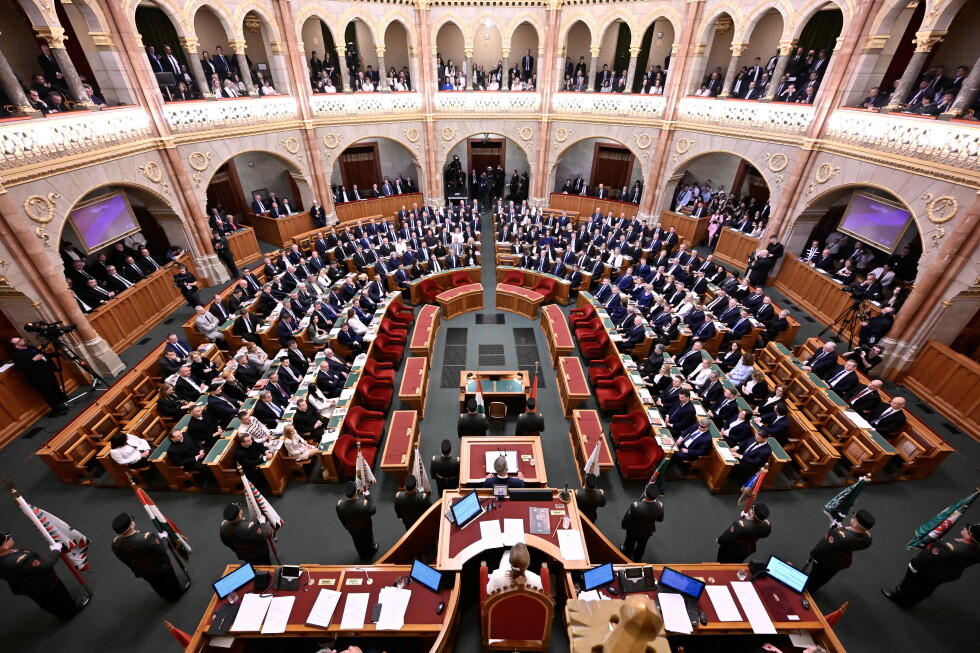
In a significant policy reversal, Hungary’s parliament has voted to stay in the International Criminal Court (ICC), overturning a previous decision to withdraw. This marks a shift from last year’s announcement by Viktor Orbán’s government to exit the global tribunal.
The initial decision to leave the ICC came shortly after Israeli Prime Minister Benjamin Netanyahu visited Hungary, despite an active ICC arrest warrant for alleged war crimes related to Israel’s actions in the Gaza Strip. This move drew criticism from the ICC and other international entities, with some accusing Orbán of politicizing justice.
Hungary’s withdrawal was initially scheduled for June 2. However, a new bill, introduced by Prime Minister Péter Magyar, emphasizes the importance of holding perpetrators of severe international crimes accountable on a global judicial platform.
The legislation, which passed primarily along party lines with 133 in favor, 37 against, and five abstentions, highlights the necessity of Hungary’s continued involvement in the ICC’s foundational treaty, the Rome Statute.
The Assembly of States Parties, the ICC’s governing body, expressed approval of Hungary’s decision. In anticipation of the parliamentary vote, they stated, “congratulates the government of Hungary for this important decision.”
Last year, Hungary faced criticism from the ICC for not arresting Netanyahu, as a panel of judges noted that such failures hinder the court’s mandate. Hungary, a founding member of the ICC, would have been the third nation to exit, following the Philippines and Burundi, and the only EU member to do so.