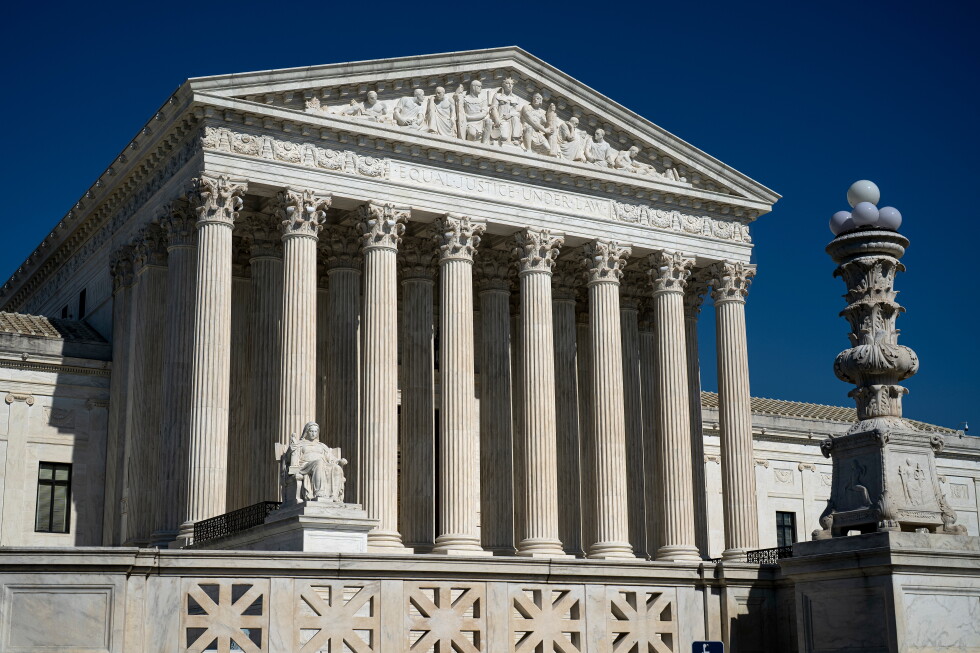
The recent decision by the U.S. Supreme Court has put a spotlight on jury selection practices, particularly those involving racial bias. The court’s ruling in favor of Terry Pitchford, a Mississippi death row inmate, highlights ongoing concerns about fairness in the legal system.
Supreme Court Sides with Pitchford
In a narrow 5-4 decision, the Supreme Court supported Terry Pitchford, convicted of his involvement in a grocery store owner’s murder. Justice Brett Kavanaugh, writing for the majority, highlighted breakdowns in the jury selection process, noting, “In this case, whether due to confusion, oversight, an overly hurried jury selection process, or some other cause, things broke down.” Chief Justice John Roberts and the court’s three liberal justices also supported the decision.
The jury that convicted Pitchford consisted of 11 white jurors and one Black juror, a composition that echoes another case from Mississippi. Seven years ago, the Supreme Court overturned the conviction of another Black man from the state under similar circumstances.
Uncertain Future for Pitchford
While the Supreme Court’s decision is a victory for Pitchford, the next steps in his case remain unclear. Justice Neil Gorsuch, dissenting, suggested that Mississippi might still argue for upholding Pitchford’s conviction or potentially retry him. Pitchford’s attorney, Joseph Perkovich, stated Pitchford is “now entitled to a fair trial in the state court.”
Historical Context and Ongoing Issues
The case draws attention to long-standing issues with racial bias in jury selection. Former prosecutor Doug Evans, known for excluding Black jurors, removed four Black individuals from Pitchford’s jury. Mississippi’s population is over 37% Black, underscoring the disproportionate jury selection practices. The Supreme Court’s 1986 ruling in Batson v. Kentucky prohibits removing jurors based on race, setting a precedent for evaluating discrimination claims.
Legal Journey and Previous Rulings
Pitchford’s legal battle has spanned two decades. Initially sentenced to death for a murder committed at age 18, his case has seen multiple appeals. In 2023, U.S. District Judge Michael P. Mills overturned his conviction, citing improper juror dismissals by the prosecution. However, the 5th U.S. Circuit Court of Appeals reversed this decision.
In 2019, the Supreme Court overturned the conviction of Curtis Flowers, another Black man from Mississippi, citing “a relentless, determined effort to rid the jury of Black individuals,” with Evans as the prosecutor and Judge Joseph Loper presiding over two of the trials.
The Supreme Court’s recent decision in Pitchford’s case reflects continued scrutiny over racial bias in the judicial process. The case’s outcome could influence how future cases address jury selection bias and reinforce the need for impartial justice.
For more in-depth coverage on the U.S. Supreme Court, visit AP News.