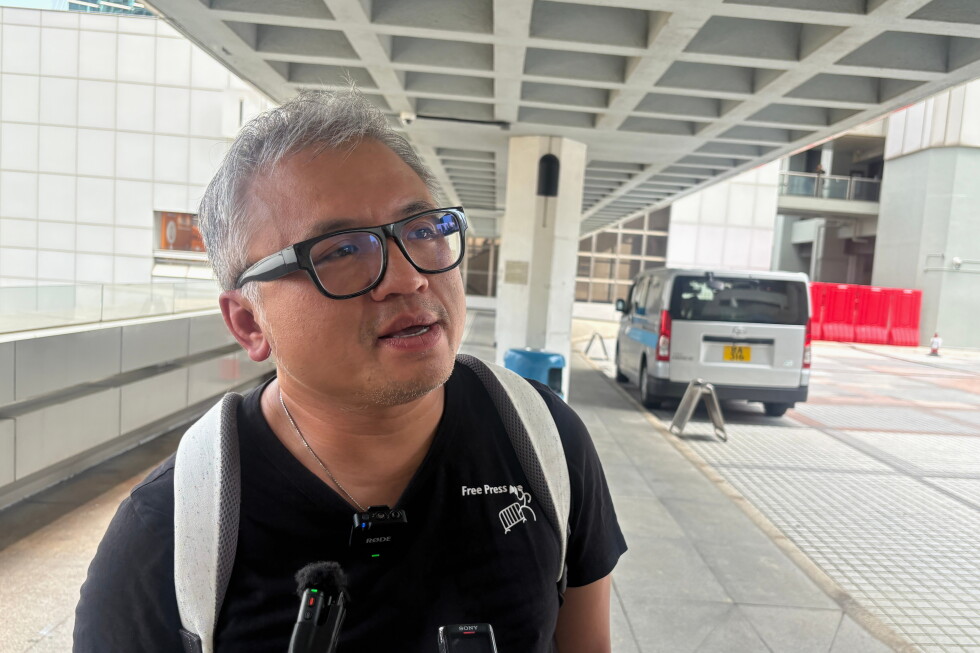
HONG KONG (AP) — Media freedom in Hong Kong faces another test as a well-known journalist began serving a five-day jail term, highlighting growing concerns over press restrictions in the region. The conviction of the journalist, who was found guilty of obstructing a police officer, underscores the changing landscape for journalists in what was once a media haven in Asia.
Hong Kong’s media scene has seen significant changes since 2019, with numerous outlets shutting down and journalists facing arrests as authorities clamped down on pro-democracy activists. The case of Ronson Chan, the former head of the Hong Kong Journalists Association, exemplifies these challenges. Chan was detained in September 2022 while on his way to a reporting task for not showing his ID to a plainclothes officer promptly.
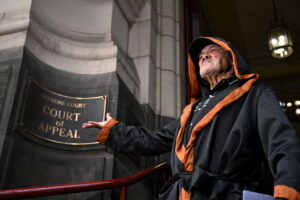
In 2023, a lower court handed Chan a five-day sentence for his delayed response and persistent questioning of the officer. Despite appealing the verdict and securing bail, his conviction was upheld by Deputy High Court Judge Lily Wong, who emphasized Chan’s lack of remorse as a factor in denying a non-custodial sentence.
Media Freedom Under Scrutiny
Chan, wearing a T-shirt emblazoned with “Free Press,” expressed his unease before the hearing, arguing that his actions shouldn’t have led to a criminal record, especially since Hong Kong’s Basic Law promises press freedom. “If I end up losing today, I feel it would be quite a big irony for me personally,” he remarked. His legal team, led by Steven Kwan, is contemplating further appeals.
The Hong Kong Journalists Association voiced its concerns about the ruling’s implications for journalism and public interactions with law enforcement, noting the increased legal risks for reporters who are stopped and searched.
Closure of Media Outlets and Jailing of Journalists
The post-2019 crackdown has led to the closure of prominent outlets like Apple Daily and Stand News in 2021. Former Stand News editors faced convictions for seditious publications, with one receiving a 21-month prison term. Meanwhile, Apple Daily’s founder, Jimmy Lai, was sentenced to 20 years for collusion and sedition, alongside several of his staff who received sentences up to a decade.
Amidst these developments, journalists in Hong Kong are increasingly cautious, practicing self-censorship. The decline in press freedom reflects broader limitations on civil liberties since Hong Kong’s 1997 handover from British to Chinese rule. The Hong Kong government maintains that the national security law is vital for stability, asserting that press freedoms remain protected under the law, provided it doesn’t breach regulations.
Hong Kong currently ranks 140th out of 180 in the World Press Freedom Index by Reporters Without Borders, indicating the region’s struggle to maintain its previously renowned media freedoms.