Gabriela Rangel’s journey through the world of art has taken her from Caracas, Venezuela, across the globe, and now to Tucson, Arizona, where she leads the Museum of Contemporary Art. With a career that spans diverse cultures and cities such as Cuba, New York, and Houston, Rangel’s perspective is rich and varied.
Gabriela Rangel’s Unexpected Move to Tucson
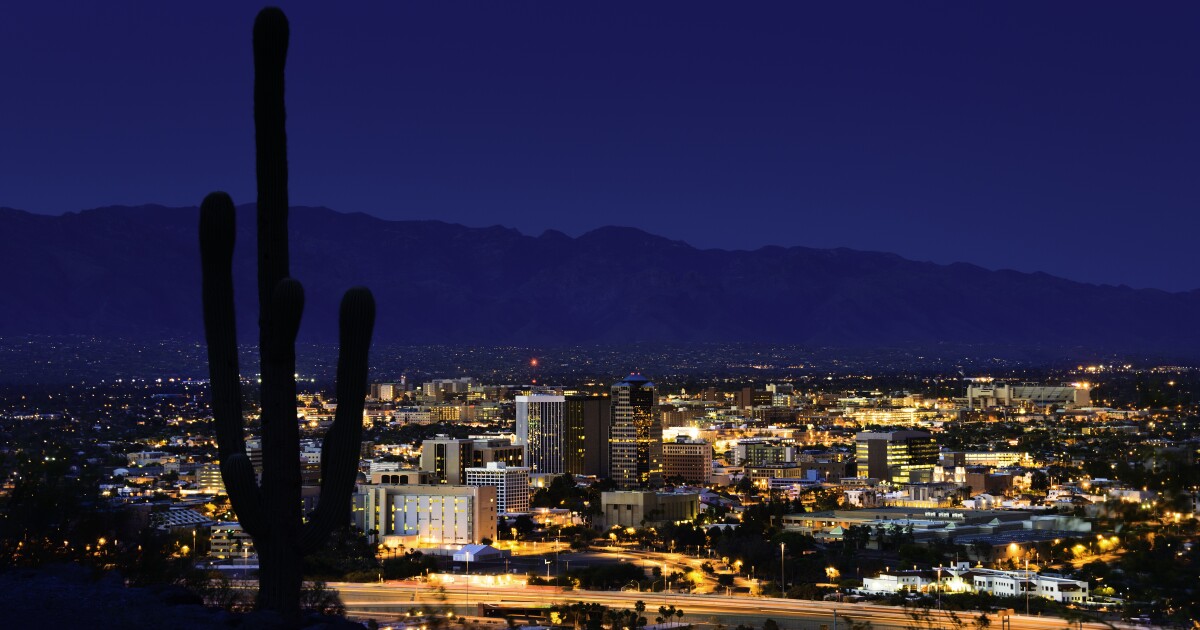
When Gabriela Rangel was offered the position of executive director at the Museum of Contemporary Art Tucson, she hadn’t anticipated making Tucson her home. Reflecting on her initial impressions, Rangel noted, “I was enamored. When they interviewed me for the job, I found the city, this city is like San Antonio, Texas.” Her experience in Houston had introduced her to the vibrant energy of Texas, and Tucson’s unique charm reminded her of San Antonio’s distinct character.
Rangel’s appreciation for Tucson extends beyond its aesthetics. “The hospitality of people is something that is really disarming,” she shared. The welcoming nature of Tucson’s residents fostered a sense of comfort and belonging that she values deeply.
The Complex Relationship with the Border
Rangel’s insights into Tucson’s cultural landscape highlight the city’s intricate ties to the Mexican border. She referenced a notable Mexican chef, Gabriela Cámara, who described the U.S.’s complex relationship with Mexico: “They love Mexico, but they hate Mexico.” Rangel sees Tucson as a city where Mexican culture is palpable, yet there is an underlying tension. “There is something that it’s not quite OK with this,” she said, pointing to unresolved aspects of this relationship.
Contemporary Art in Tucson
Under Rangel’s leadership, the Museum of Contemporary Art Tucson, known for its temporary exhibitions, aims to embrace the city’s diverse artistic offerings. “MOCA is a Kunsthalle, you know, an institution that has no collection,” Rangel explained. This allows for a dynamic exploration of contemporary art, free from the constraints of a permanent collection.
Rangel acknowledges the richness of Tucson’s artistic community, including its literary, music, and dance scenes. This cross-referencing of disciplines aligns with her vision of a “hybrid space” in the art world, fostering an environment of cultural openness.
Museums as Political Spaces
Rangel believes in the inherently political nature of public spaces like museums. “Everything that is public is political,” she stated, emphasizing the importance of dialogue and community in addressing political issues. While she distinguishes between politics and ideology, Rangel envisions museums as arenas for healing differences and fostering diverse conversations.
As Gabriela Rangel continues her work at MOCA Tucson, her bicultural lens and commitment to open dialogue promise to enrich the museum’s role in the community and beyond.
For more insights from Gabriela Rangel, you can listen to the full conversation here.