In celebration of Black Music Month, we not only honor the immense contributions of Black musicians but also reflect on the challenges they have faced. These artists have historically been subject to unfair practices, from denial of royalties to having their work covered by others without due credit. Here are some key figures who have spoken against the industry’s exploitation of Black talent.
Little Richard and the Era of “Race Records”
During the early rock ‘n’ roll era, “race records” were popular, wherein Black artists’ music was marketed mainly in Black communities. Despite their records selling millions, the artists received minimal financial returns. As blues musician Big Bill Broonzy told Alan Lomax in 1947, “I didn’t get no royalties, because I didn’t know nothing about trying to demand for no money, see.”
Little Richard was notably affected by the sanitized covers of his songs by white artists, such as Pat Boone, whose versions often charted higher. Little Richard shared in PBS’s History of Rock and Roll, “They took Pat Boone and threw Pat Boone on me.” Despite writing the songs, he saw no profits from Boone’s sales.
Reflecting on his struggles, Little Richard told Rolling Stone, “I looked around and didn’t have any money… Nobody had paid me a dime. All those hits.”
Prince
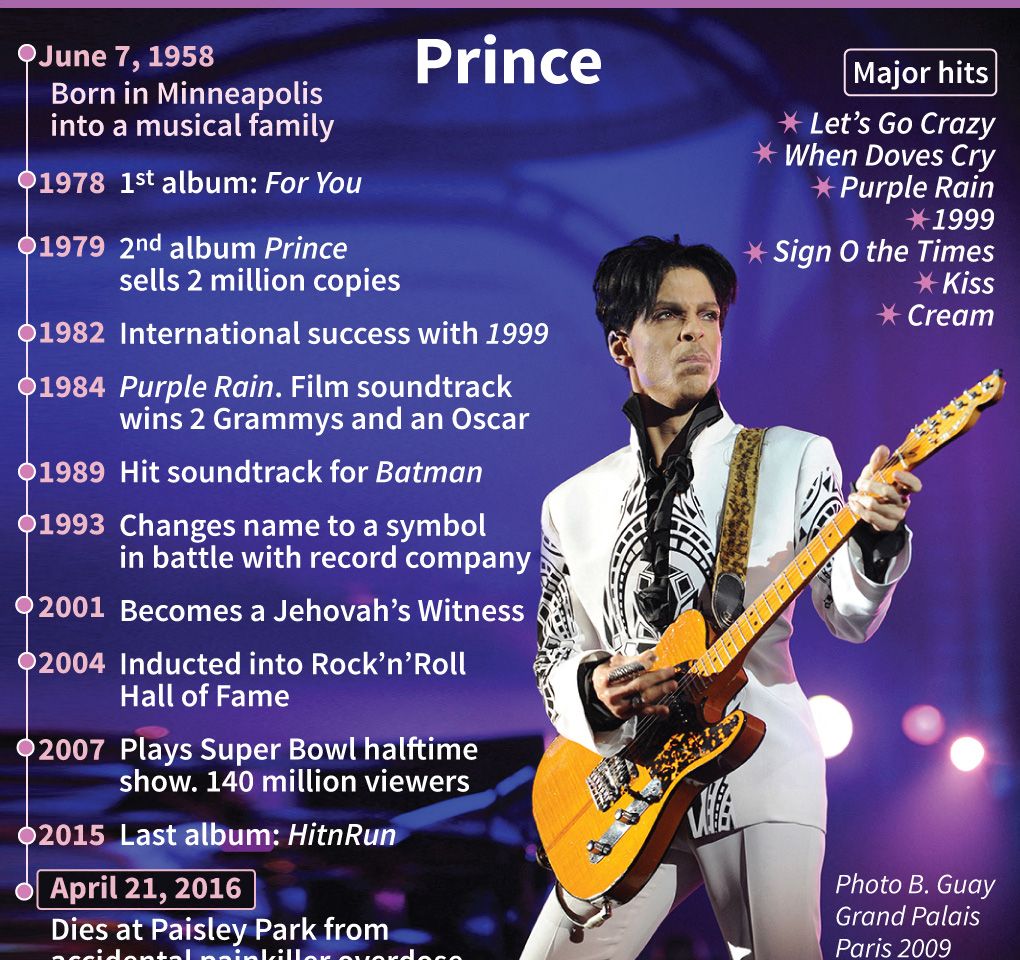
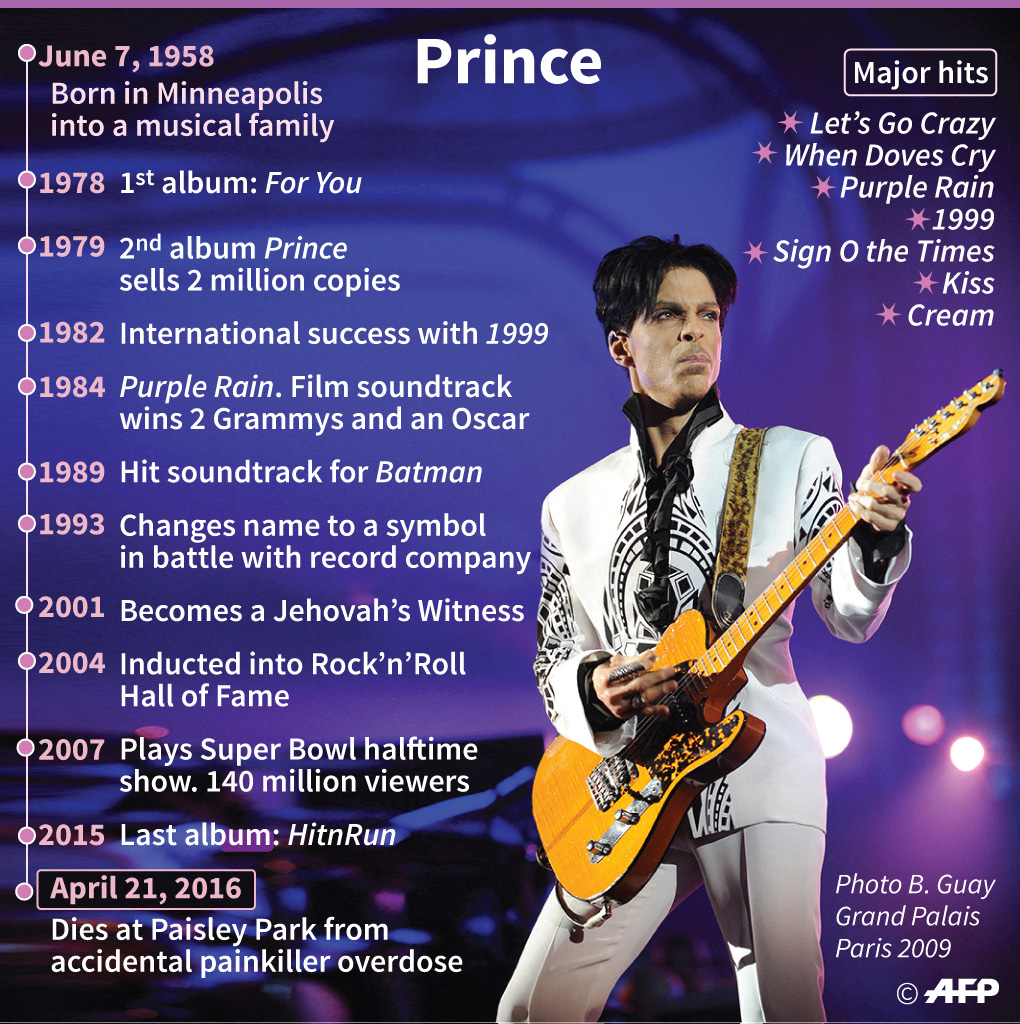
Widely regarded as one of America’s greatest musicians, Prince’s journey in the music industry was marked by his fight for artistic control. Signing with Warner Bros. Records at age 19, he eventually clashed with the label over ownership of his masters, leading him to change his name to a symbol and appear on stage with “slave” written on his face.
In a 1999 interview, Prince expressed his frustration, saying, “I wanted to buy my masters back from Warner Bros. They said no way. So I’m going to rerecord them. All of them.” Prince was among the first to harness the internet for music distribution through his NPG Music Club, and in 2014, he successfully regained control of his masters.
Sam Moore
Sam Moore, known for hits like Soul Man, sought to retire in 1993, only to find his expected earnings were severely undervalued. The American Federation of Television and Radio Artists (AFTRA) informed him of a mere $2,285 payment and $67 monthly for five years, far less than the $3 million he anticipated.
Moore joined other musicians in a lawsuit against AFTRA’s Health and Retirement Funds, resulting in an $8.4 million settlement after nine years. However, as a class-action suit, Moore received a fraction of the amount.
Megan Thee Stallion
Many emerging artists sign disadvantageous contracts, as evidenced by Megan Thee Stallion’s experience with 1501 Certified Entertainment. Her 2020 lawsuit against the label alleged an “unconscionable” contract, taking 60% of her earnings while she covered production costs from the remainder.
On Instagram Live, Megan admitted, “I didn’t really know what was in [her] contract” when she signed it at 20. She settled with the label in 2023, allowing her to capitalize on her rising fame.
Though the music industry has long exploited Black artists, the perseverance of these musicians serves as a cautionary tale and a source of empowerment for future generations.
SEE ALSO:
Music Is Medicine: A Love Letter To Black Music Month
The Iceman Cometh And The Results Are So Boring, Y’all