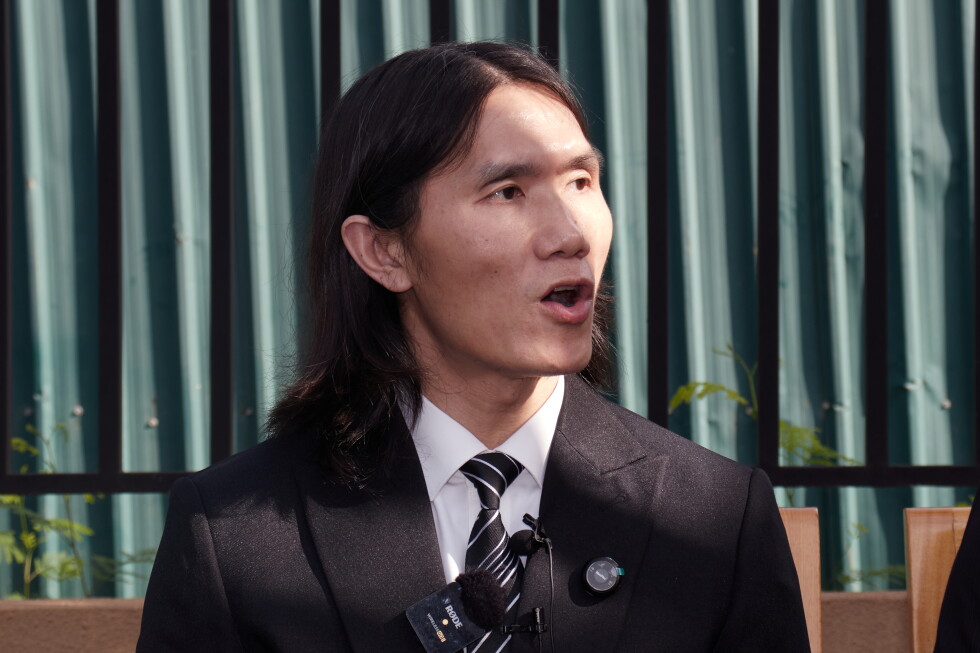
Vietnamese National Returns Home After Controversial U.S. Deportation Program
In a significant development, a Vietnamese citizen who was deported to South Sudan under a debated U.S. deportation program has been repatriated to Vietnam. This follows over a year of detention in South Sudan, a nation known for its challenging human rights environment.
South Sudan’s Ministry of Foreign Affairs confirmed the return of Tuan Phan, 44, at a press conference. “We are grateful that while in our custody Mr. Phan was very disciplined, joyful, and importantly, he remained healthy,” stated spokesperson Agok Anyar.
The deportation of Phan and seven other individuals to Africa in May 2025 was initially interrupted by legal proceedings, leading to a temporary stopover at a U.S. military base in Djibouti. However, a subsequent Supreme Court ruling enabled their final transfer to Juba, South Sudan, in July 2025.
These deportees, who had completed sentences for their criminal convictions in the U.S., were part of a broader agreement involving at least seven African countries. According to the Third Country Deportation Watch, these nations have accepted over 180 non-citizen deportees in exchange for substantial financial compensation from the U.S.
South Sudan, in particular, has faced criticism for its involvement due to its poor human rights record and political instability. The United Nations reported that more than half a million people were displaced by armed conflict in South Sudan in 2025.
Phan is the second individual in the group to be repatriated, following Jesus Munõz-Gutierrez’s return to Mexico in September. Dian Peter Domach, the only South Sudanese among them, was released upon arrival, while the rest are from countries including Cuba, Myanmar, and Laos.
Phan, who moved to the U.S. as a child in 1991, was convicted for a crime committed during a gang fight and sentenced to 25 years in 2000. His deportation was ordered in 2009, and he was detained by Immigration and Customs Enforcement after his sentence ended in March 2025.
During their detention in Juba, the deportees were housed under strict security, with access limited to only South Sudanese officials until a congressional aide’s visit last year. This lack of oversight drew criticism from Michael Bochenek of Human Rights Watch, who highlighted concerns over South Sudan’s adherence to human rights standards in detention.
While the U.S. has disclosed some terms of its deportation agreements with other countries, details regarding the arrangement with South Sudan remain unclear. State Department documents reveal that South Sudan made specific requests, including lifting sanctions on a former official and assistance in prosecuting an opposition leader, but the precise compensation remains undisclosed.
“`