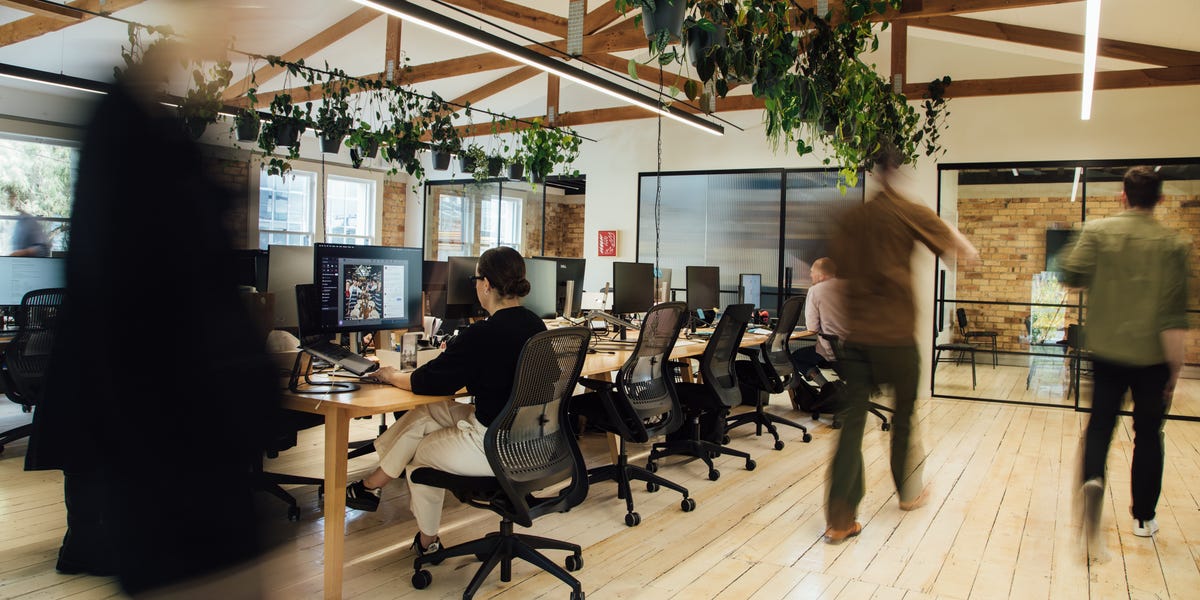
In a world where returning to the office is becoming increasingly common, one company is taking a unique approach to make in-office work appealing. James Hurman, founder and chair of Previously Unavailable in New Zealand, has designed an office environment that employees genuinely want to be in.
The Auckland office of Previously Unavailable, an innovation studio and venture firm, embodies what Hurman calls a “Michelin-star workspace,” aiming to inspire the team to be excited about coming to work. “How do you keep great people together for a long time,” Hurman mused, “make sure that every day they’re feeling fantastic and completely taken care of, so they can focus all of their energies on doing the work that they love?”
Creating such a space involves thoughtful attention to details like natural light, plants, and services such as twice-monthly massages. For Hurman, it’s not just about cost but an investment in employee well-being. “If you look at it only from a cost perspective, which most companies do, they just go, ‘Oh, that’s too much,'” Hurman noted, emphasizing the value of investing in people and space.
Creating an Innovative Workspace
Founded in 2014, Previously Unavailable moved into its Grey Lynn building in Auckland five years ago, later acquiring it in 2025. The building features a venture studio and the main workspace, designed to foster creativity and productivity. The team developed a “Michelin-star workspace” concept inspired by the thoughtful detail of Michelin-star restaurants, guided by Māori cultural concepts.
Fostering Employee Well-being
Employees rated the workspace using a framework inspired by Māori culture, scoring it 2.17 out of 3. This led to improvements such as “focus-friendly zones” and enhanced environmental controls. These changes aim to eliminate “unnecessary stress” from the work environment, creating a space where creativity can thrive.
Design Features and Amenities
The 2,100-square-foot main space includes two long desks for collaboration, with additional areas for contemplation or teamwork. Natural elements like wood and plants are key to the design, promoting a sense of well-being and productivity. “When you work at a natural surface, it’s much better for your well-being than if you work at a non-natural surface,” Hurman explained.
A unique feature is the custom scent created for the office, described by Hurman as reminiscent of “a high-end day spa.” Studies have shown that pleasant odors can enhance mood and comfort in built environments, adding to the overall experience.
Art and Wellness Initiatives
The office showcases local art, reflecting the company’s values and support for the community. Twice a month, a massage therapist visits the office, offering employees a chance to unwind. Hurman sees this as part of reducing stress, saying, “That massage component, there is a real kind of health and wellness benefit to that.”
While nutritious snacks are available, Hurman envisions further enhancements, such as an in-house chef focusing on nutrition. “We’re not doing that yet, but that’s something that we’re working towards,” he mentioned.
Continuous Improvement
Feedback has prompted plans for additional improvements, including more quiet breakout spaces. Hurman is committed to enhancing the workspace, stating, “It’s a work in progress, but everyone’s kind of engaged in how we get to that three-star space.” Despite this, he believes they are “already a long way down the road” in achieving their goals.
Successful Outcomes
Hurman acknowledges the challenge of measuring the impact of design on employee satisfaction but notes the low turnover rate and positive atmosphere as indicators of success. “People love the space. They love coming to it. They do amazing work in it. That creates extraordinary value,” he said.