Supreme Court Upholds Birthright Citizenship, Rejects Trump’s Executive Order
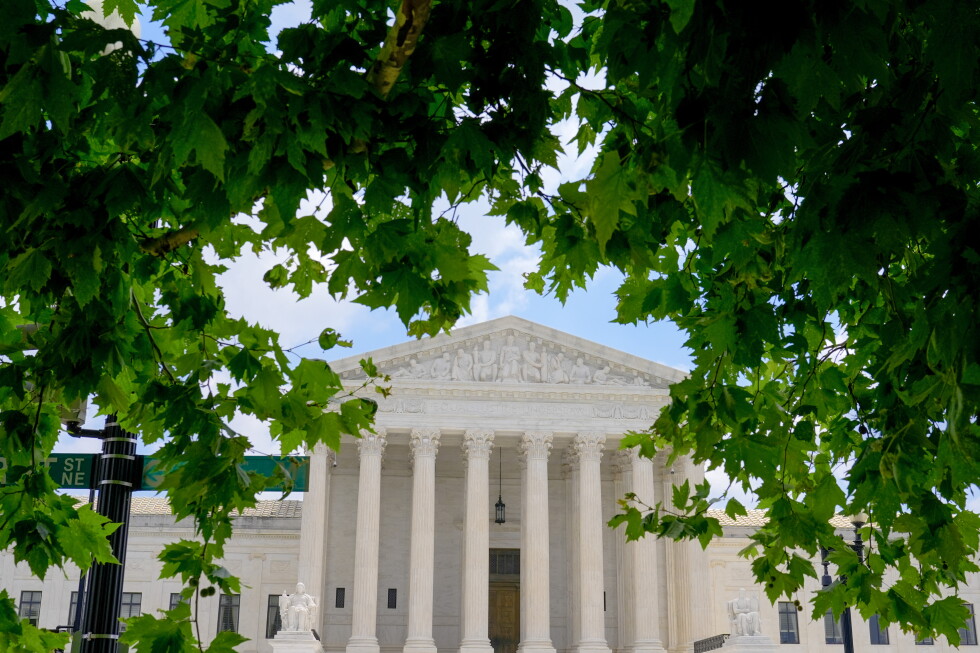
In a landmark decision, the Supreme Court has reaffirmed the principle of birthright citizenship, striking down an executive order from President Donald Trump that sought to deny citizenship to children born in the United States to non-citizens. The ruling, marked by a divided bench, underscores the court’s adherence to historical interpretations of the 14th Amendment.
The 14th Amendment, established post-Civil War, guarantees citizenship to nearly all individuals born on U.S. soil, with minimal exceptions. Chief Justice John Roberts noted, “Citizenship, then and now, was the right to have rights—to freely participate in our political community. The Framers of the Fourteenth Amendment extended that promise to ‘every free-born person in this land,’” emphasizing the amendment’s enduring promise.
While the majority opinion was supported by three liberal justices and Justice Amy Coney Barrett, three conservative justices expressed dissent, advocating for the restrictions to be enacted. Justice Clarence Thomas, in a lengthy dissent, criticized the court’s decision as a misinterpretation of the 14th Amendment’s original intent.
Trump’s order, part of a broader immigration policy initiative, had been previously blocked by lower courts and had not been implemented. The legal challenge brought by the order was intensified by Trump’s personal presence during the court’s proceedings, highlighting the contentious nature of the case. The Supreme Court’s conservative majority faced another test of Trump’s executive authority, which has been a recurring theme throughout his tenure.
Notably, Justice Brett Kavanaugh’s concurrence was based on existing federal law rather than constitutional grounds, suggesting potential legislative changes could alter the landscape of birthright citizenship in the future. His stance diverges from the court’s interpretation of the Constitution but aligns with federal statutes that currently confer citizenship to those born in the U.S.
The implications of Trump’s order would have been significant, affecting over 250,000 births annually according to research by the Migration Policy Institute and Pennsylvania State University’s Population Research Institute. The proposed restrictions would have extended beyond undocumented immigrants, impacting individuals legally residing in the U.S., such as students and green card applicants.
The Supreme Court’s decision draws from the precedent set in the 1898 Wong Kim Ark case, which affirmed the citizenship of a U.S.-born child of Chinese nationals. The ruling reiterates that the constitutional guarantee of citizenship applies irrespective of the legal status of parents.
For further updates and coverage on the U.S. Supreme Court, visit AP News Supreme Court Hub.