Supreme Court Upholds Birthright Citizenship for Children Born in the U.S.
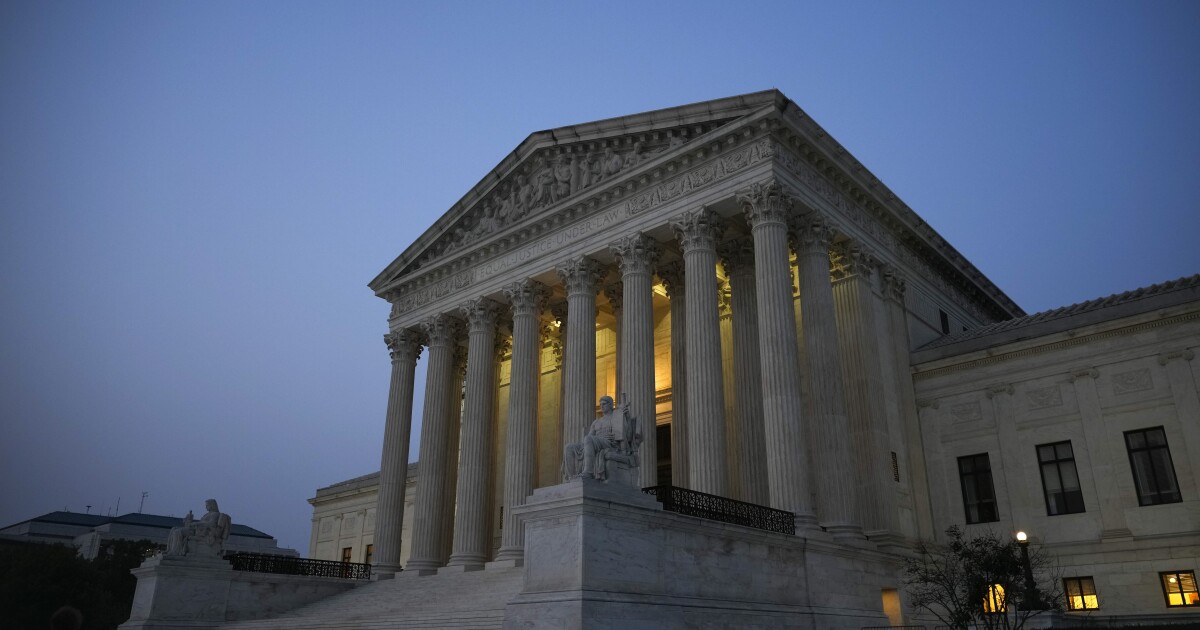
Following a landmark decision by the Supreme Court, it has been affirmed that the Constitution guarantees automatic birthright citizenship to nearly all children born in the United States. In a 6-3 ruling, Chief Justice John Roberts penned the opinion that rebuked President Trump’s executive order seeking to restrict citizenship based on the immigration status of parents.
The court’s decision rested on the interpretation of the Fourteenth Amendment, which states, “All persons born or naturalized in the United States and subject to the jurisdiction thereof, are citizens of the United States.” This broad definition of citizenship, established after the Civil War, was intended to encompass all individuals born on U.S. soil, regardless of their parents’ legal status.
The ruling cited the precedent set by the 1898 case of Wong Kim Ark, a child born to Chinese immigrants in San Francisco. Despite facing challenges to his citizenship status, the Supreme Court ultimately affirmed that children born in the U.S. are automatically granted citizenship, with only limited exceptions such as the children of foreign diplomats.
Even during periods of anti-immigrant sentiment, the principle of birthright citizenship has remained steadfast, with newborn children of Japanese citizens detained during World War II being granted American citizenship. This legal understanding was later codified by Congress, solidifying the concept that birth on American soil confers citizenship.
Cecillia Wang of the ACLU, who argued the birthright citizenship case before the court, emphasized that the intention behind granting automatic citizenship to children was to ensure that individuals are not penalized for their parents’ actions. This principle underscores the belief that in America, all individuals born in the country are equal and share the same rights.
While Justices Clarence Thomas, Neil Gorsuch, and Samuel Alito dissented from the decision, the Supreme Court’s ruling reaffirms the longstanding practice of birthright citizenship in the United States.
This is a developing story and will be updated
Copyright 2026 NPR