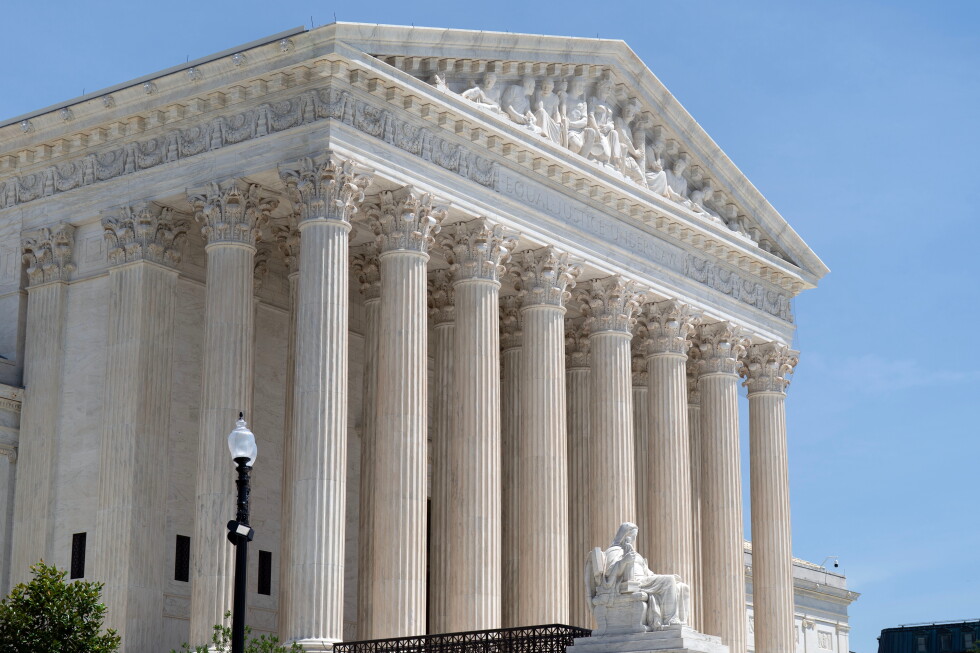
The latest term of the U.S. Supreme Court has concluded, bringing forth pivotal decisions on race and discrimination that are poised to influence American political and social landscapes deeply.
The justices displayed stark divisions, often critiquing each other, particularly in rulings that altered essential components of a significant voting rights law, permitted the government to retract protections for specific immigrants, and questioned the longstanding interpretation of birthright citizenship.
This occurs amid ongoing national debates over race, immigration, and policies aimed at curbing discrimination.
“This term, we saw a Supreme Court that is moving quickly to eradicate legal protections in ways that will leave vulnerable communities exposed to the harsh winds of discrimination and hatred that we continue to see across the country today,” stated Kristen Clarke, general counsel for the NAACP, to The Associated Press.
The Temporary Protected Status Case
A significant ruling allowed the government to terminate deportation protections for Haitians and Syrians escaping violence and disasters. This decision followed the Trump administration’s previous action to revoke temporary protected status.
Lawyers argued that Trump’s derogatory remarks about immigrants influenced the decision. Geoffrey Pipoly, representing Haitian nationals, argued the termination stemmed from Trump’s “racial animus towards non-white immigrants.”
However, federal authorities dismissed these claims, saying TPS was always intended to be temporary. Justice Samuel Alito, writing for the majority, stated that Trump’s comments were not “overtly racial” and attributed them to political discourse.
Justice Elena Kagan’s dissent highlighted that the statements were embedded with racial stereotypes, challenging the majority’s view.
The Birthright Citizenship Case
In a high-profile case, the court affirmed that the 14th Amendment guarantees citizenship to anyone born in the U.S. This decision countered Trump’s attempt to limit citizenship to children of U.S. citizens.
Chief Justice John Roberts emphasized the historical basis of birthright citizenship, noting that it recognized the rightful claim of Black Americans to citizenship after the abolition of slavery.
The ruling was a setback for the Trump administration’s anti-immigration stance. Justice Clarence Thomas dissented, distinguishing the children of enslaved African descendants from other immigrant children.
Justices Ketanji Brown Jackson and Sonia Sotomayor critiqued Thomas’ view, asserting that the Reconstruction Amendments sought broader societal transformation beyond addressing slavery.
The Voting Rights Case
The Supreme Court’s decision significantly weakened a crucial part of the Voting Rights Act, which aimed to counteract minority voter disenfranchisement. The ruling impacted the creation of majority-minority congressional districts.
Justice Alito argued that partisan gerrymandering might not necessarily be racist, given the overlap between race and party preference. The liberal justices criticized this view, emphasizing the ongoing need to protect minority representation.
Justice Kagan warned that the decision could have severe consequences, potentially undermining minority voting power in states with historical racial segregation and polarized voting. Consequently, several Southern states began redistricting efforts to dismantle majority-Black districts.