Israel Advances its Iron Dome with Enhanced Capabilities
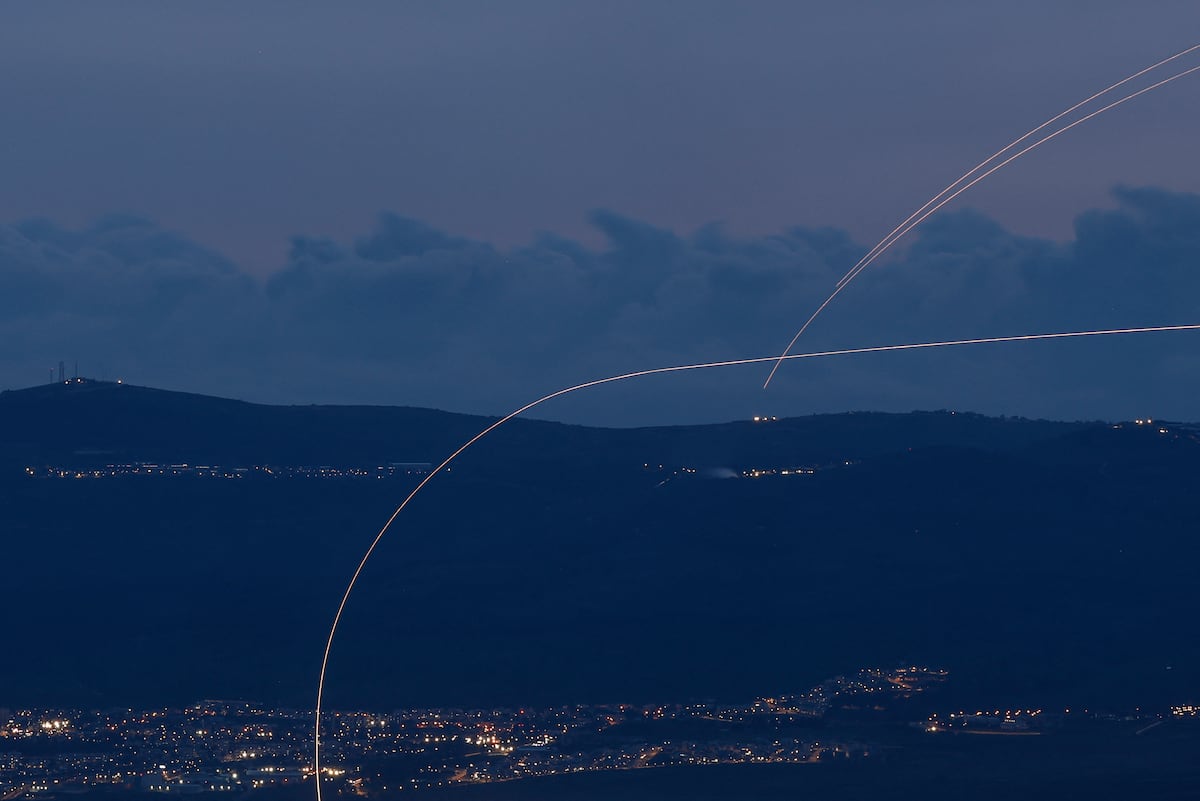
Israel has announced the successful completion of advanced testing on its Iron Dome aerial defense system, now featuring improved integration with the Iron Beam laser system. The Israeli Ministry of Defense revealed this development on Tuesday, emphasizing the system’s new joint operational capabilities.
While details about the technical upgrades were not disclosed, officials highlighted that the enhancements significantly boost the system’s efficiency against high-intensity attacks. This upgrade enables the Iron Dome to better handle large-scale, concentrated missile barrages, enhancing its overall defensive prowess.
A significant aspect of the recent trials was the seamless operational integration of the Iron Beam. During the tests, coordinated operational scenarios were managed directly from the Iron Dome’s battle management center, marking a pivotal step in the system’s evolution.
This integration is vital for future operations, allowing commanders to switch between missile and laser-based interceptions dynamically. The decision-making will consider the nature of threats, system availability, and cost-effectiveness.
The announcement comes at a time of heightened strategic tension for Israel, despite a recent U.S.-Iran ceasefire. Israel faces ongoing drone attacks from Hezbollah along its northern border with Lebanon, underscoring the need for robust air defense capabilities.
Initially operational in 2011, the Iron Dome achieved its first successful interception of a Gaza-launched Grad rocket the same year. It has since become a cornerstone of Israel’s multi-layered air defense system, with each battery equipped with radar, a command center, and missile launchers holding around 20 Tamir interceptors. The system is effective against threats ranging from 4 to 70 kilometers.
The Iron Dome and Iron Beam are primarily developed by Rafael, an Israeli defense technology firm. The Iron Beam is designed to neutralize threats within four to five seconds after targeting, effective up to 10 kilometers. Notably, each laser pulse costs only a few dollars, offering a cost-efficient alternative to the Tamir interceptor missiles, which are priced at approximately $50,000 each.