The Rise of Renewable Energy and Electric Vehicles in the Face of Middle East Conflict
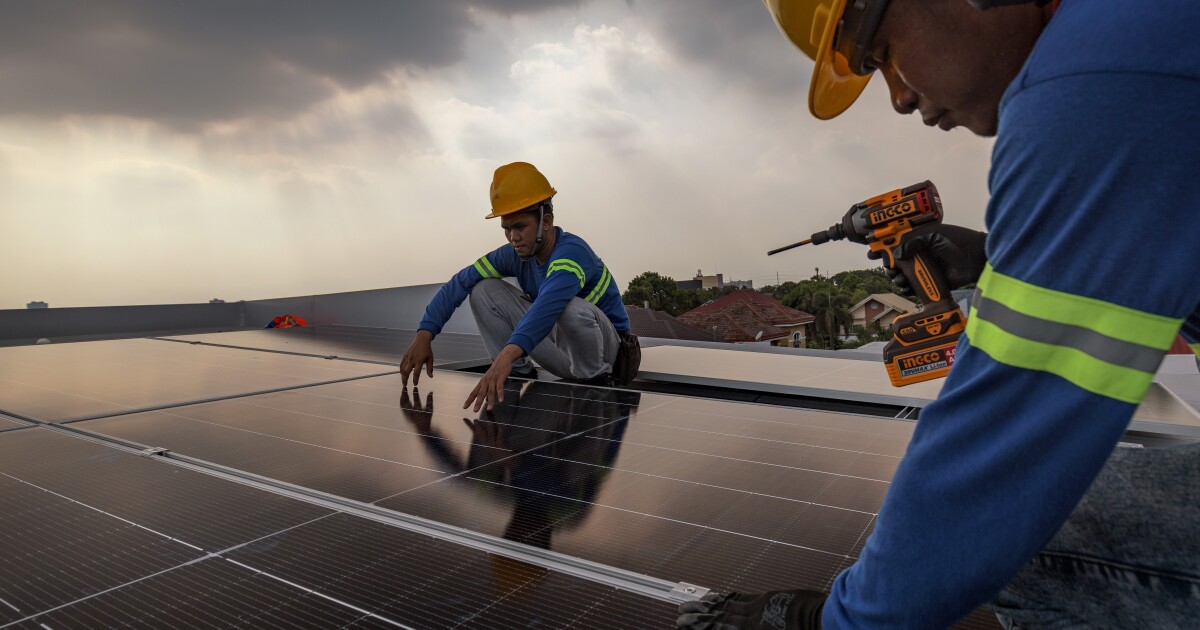
Amidst the ongoing conflict in the Middle East, countries across Asia and Africa are pivoting towards renewable energy and electric vehicles to reduce their reliance on imported natural gas and oil. The war between the U.S. and Israel with Iran has disrupted traditional fossil fuel supplies, leading to soaring prices and supply constraints. As a result, nations are embracing solar power, batteries, and electric vehicles to ensure energy security and combat climate change.
Impact on Energy Markets
The closure of the Strait of Hormuz, a vital transit point for liquified natural gas (LNG) shipments, has caused a significant disruption in supply chains. This disruption has driven up European and Asian natural gas prices by over 50% since the conflict began. Moreover, oil prices surged following President Trump’s announcement of the end of the ceasefire, further highlighting the volatility in global energy markets.
Transition to Renewable Technologies
China has emerged as a key player in the transition to renewable energy and electric vehicles. The country has significantly increased its exports of solar panels and electric passenger vehicles, with a notable surge in shipments in recent months. The global adoption of electric vehicles has already led to a substantial reduction in daily oil consumption, equivalent to the daily crude oil production of Nigeria.
Climate Solutions and Energy Security
The shift towards renewable energy and electric vehicles is not only driven by economic considerations but also by environmental concerns. Climate scientists view these technologies as crucial tools in reducing fossil fuel consumption and mitigating the impacts of global warming. According to experts like Jan Rosenow from Oxford University, investing in renewables and electric vehicles provides countries with energy security in an uncertain geopolitical landscape.
As the world grapples with the aftermath of the Iran war and faces the repercussions of volatile energy markets, a significant shift towards renewable energy sources is becoming increasingly evident. The recent surge in natural gas prices following the conflict has highlighted the vulnerabilities of traditional fossil fuels, prompting countries to accelerate their transition to sustainable alternatives.
Countries like Pakistan and the Philippines have been investing heavily in solar, batteries, and electric vehicles (EVs) to reduce their reliance on imported fossil fuels. Pakistan’s strategic shift towards solar and batteries has not only lessened its oil and natural gas imports but also resulted in substantial cost savings, according to the Centre for Energy and Clean Air. Similarly, the Philippines has witnessed a sharp increase in solar panel imports, indicating a growing trend towards renewable energy adoption.
The influx of Chinese solar and battery imports has revolutionized the global renewable energy landscape, making renewable projects more economically viable. Standard Bank, Africa’s largest bank, reported a notable increase in financing for renewable energy projects compared to nonrenewable projects, signaling a broader shift towards sustainability in the energy sector.
The Iran war, following closely on the heels of the Ukraine-Russia conflict, has underscored the risks associated with relying on imported fossil fuels. Kaushik Deb from the University of Chicago’s Energy Policy Institute emphasizes the urgent need for a faster energy transition, particularly in the transportation and electricity sectors. The increasing adoption of EVs worldwide, fueled by Chinese exports, is expected to reduce long-term oil demand significantly, as road transportation accounts for a substantial portion of global oil consumption, as noted by the International Energy Agency.
In conclusion, the energy landscape is rapidly evolving in response to geopolitical crises and environmental concerns, with a clear momentum towards renewable energy sources such as solar, batteries, and electric vehicles. The push for sustainability and energy independence is reshaping the way countries approach their energy policies, highlighting the pivotal role of renewables in securing a cleaner and more resilient energy future. The Trump administration’s emphasis on fossil fuels has had a significant impact on the electric vehicle (EV) market in the United States, with sales plummeting compared to global trends. According to a report by Cox Automotive, EV sales in the U.S. have seen a decline, attributed in part to the sudden withdrawal of federal tax credits for EV buyers, a move advocated by President Trump.
While the world still heavily relies on oil and natural gas for various purposes like fertilizer, plastics, and jet fuel, the demand for oil and diesel is rapidly decreasing. This shift is attributed to the rise of renewable energy sources and the increasing adoption of EVs. As Fatih Mohamedi, an expert in the field, points out, countries are beginning to see the benefits of reducing their dependence on oil, leading to a decrease in insecurity related to oil supply disruptions.
Despite the ongoing need for oil and gas in certain sectors, the transition towards cleaner energy sources like renewables and electric vehicles is becoming more pronounced. This shift not only addresses environmental concerns but also helps reduce reliance on volatile oil markets, ultimately contributing to a more sustainable and secure energy future.