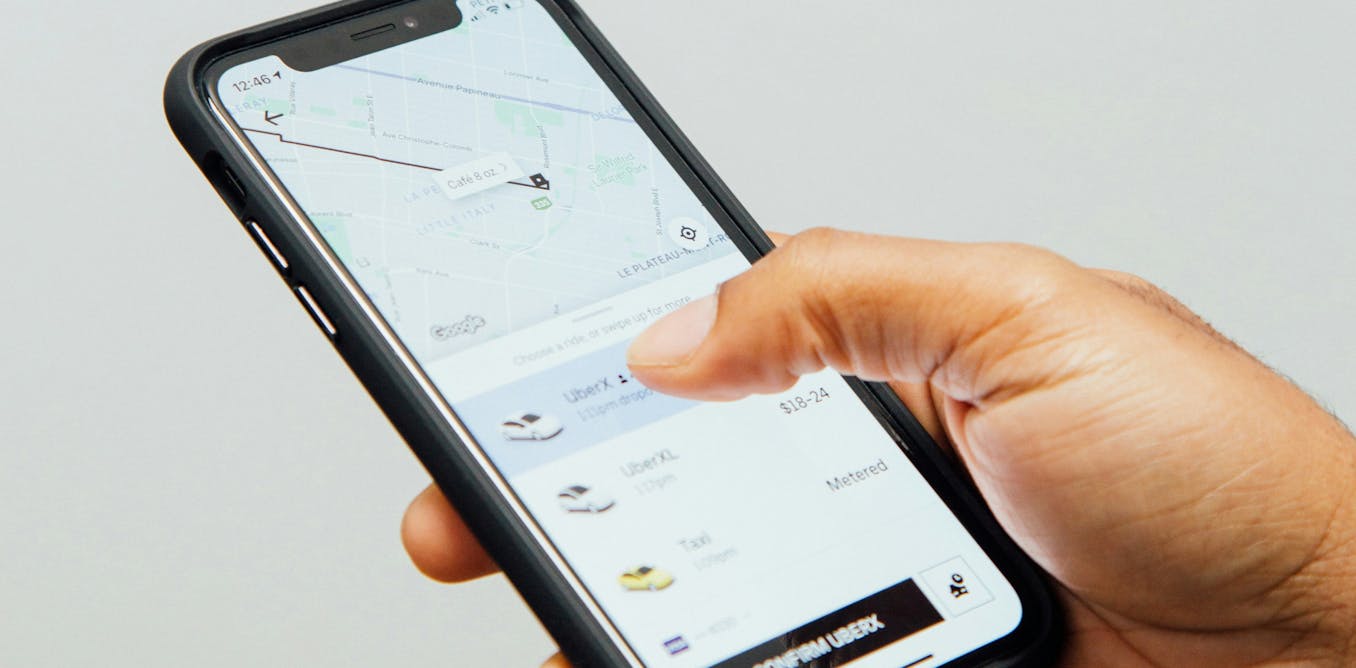
In today’s fast-paced world, convenience is king. Millions of Americans rely on their smartphones to order rides, groceries, or dinner, becoming increasingly dependent on the gig economy’s seamless services. However, beneath this smooth surface lies a conflict affecting both consumers and gig workers.
The friction arises from the dual pressures faced by both parties. Consumers grapple with unpredictable surge pricing, while gig workers endure manipulative algorithms and the rising costs of vehicle maintenance.
Surge pricing, a widely used mechanism by gig-economy companies, intends to balance driver availability. The strategy suggests that increasing payouts will naturally encourage more drivers to hit the road. Yet, this approach has led to significant market friction, resulting in driver shortages and consumer dissatisfaction with high prices.
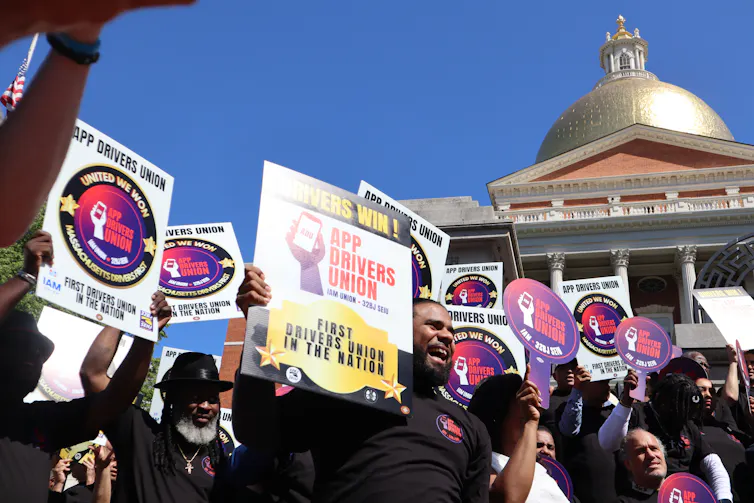
Recent research indicates that drivers do not benefit from surge pricing as much as expected, prompting calls for reform. A notable development occurred in Massachusetts, where gig workers formed the first U.S. gig-worker union in 2026, following a settlement that secured a minimum wage for drivers.
Research by business experts analyzed a vast dataset of delivery tasks, revealing that drivers assess each gig’s value beyond just financial compensation. They consider various factors before accepting jobs, emphasizing the need for platforms to align more closely with driver preferences.
The Three Dimensions of Friction
An Uber driver named Domingo, in a 2023 CBS interview, highlighted the systemic challenges faced by drivers. “It feels like the algorithm is turned against you,” he noted, sharing an incident where he narrowly missed a bonus due to the platform’s perceived manipulation.
This situation underscores the importance of considering drivers’ perspectives, as traditional surge incentives often fall short. Drivers navigate complex decisions, weighing factors like inflation and platform demands when deciding to accept fares.
Beyond the Money
Drivers’ decision-making processes extend beyond monetary incentives. They evaluate three key aspects:
Firstly, the “efficiency paradox” is evident. Drivers are keenly aware of pay-per-mile ratios, treating their vehicles as business assets. Efficiency trumps raw mileage, as drivers prefer high-density tasks that maximize earnings. Platforms can optimize by clustering deliveries, recognizing drivers’ preference for efficiency.
Secondly, the “uncertainty tax” comes into play. Drivers factor in the unpredictability of complex pickups, such as busy airports. Surge pricing aims to offset these challenges, but platforms could offer alternatives, like low-friction pickup options, to reduce risk.
Finally, the “sunset threshold” highlights the personal and physical toll of nighttime driving. Despite financial incentives, drivers value safety and personal time. Platforms might consider shifting nonurgent orders to daylight hours, reducing the need for costly incentives.
AP Photo/Leah Willingham
Impact on Consumers
Consumers also face challenges due to algorithmic cost transfers. They dislike surge pricing, which reflects the high friction of their orders. However, consumers can mitigate costs by restructuring orders to minimize the driver’s “mental audit” penalty.
One strategy is to streamline delivery interactions by selecting options like “leave at my door” and providing clear instructions, reducing uncertainty for drivers and lowering surge prices.
Adjusting order timing can also help. Consumers should avoid peak times for nonessential orders, opting for flexible morning deliveries to leverage “smart postponement” and reduce costs.
Lastly, consolidating orders into a single drop can align with drivers’ efficiency preferences, reducing the “efficiency paradox” and saving money.
Creating a Balanced Ecosystem
By adapting their strategies, both consumers and drivers can achieve a win-win scenario. Consumers can save through smarter ordering, while drivers gain greater control over earnings and scheduling, enhancing job satisfaction.
In parallel, drivers are pursuing political change, successfully organizing in Massachusetts and pushing for similar rights in other states, including California and Illinois.