In the midst of political turbulence, Wisconsin’s Democratic primary for governor has become a focal point of debate over voting rights and election laws. With several candidates dropping out and rejoining the contest, the primary has left some absentee voters in a challenging position, potentially rendering their votes for the state’s highest office meaningless.
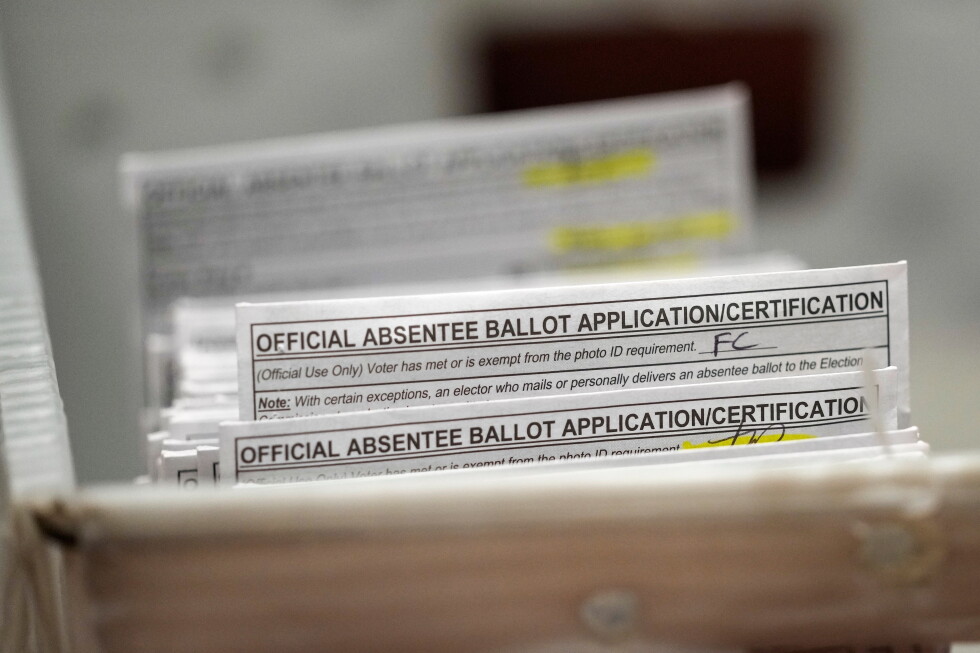
The Wisconsin Democratic Party has urged the state elections commission to permit voters who have already submitted absentee ballots to recast their votes. This request comes as more than 80,000 ballots have been returned, just weeks before the primary scheduled for August 11. The plea is likely to ignite legal battles as the primary date approaches.
Turmoil in the Democratic Race
The Democratic field saw a shuffle after Lt. Gov. Sara Rodriguez withdrew her candidacy, citing financial mismanagement within her campaign. Subsequently, Milwaukee County Executive David Crowley re-entered the race, backed by an endorsement from current Governor Tony Evers. Despite Rodriguez and another former candidate, Missy Hughes, ending their campaigns, their names remain on the ballot.
The guidance from the Wisconsin Elections Commission, which was endorsed earlier this month, prevents voters who have already submitted absentee ballots for candidates no longer in the race from casting new ballots. This decision followed Hughes’ departure from the race in June. Now, five Democratic candidates remain in active contention for the gubernatorial seat.
The winner of this primary will likely face Republican U.S. Rep. Tom Tiffany in the general election. With Governor Evers opting out of a third term, Democrats aim to maintain control of the governorship and aim to achieve a legislative trifecta by flipping both chambers of the Legislature. More details on the political landscape can be found here.
Democratic Push for Ballot Recasting
Democrats argue that the commission’s decision contradicts a precedent from 2006, which advises against altering voting regulations close to an election. “Some voters will not be able to truly participate in our Democratic primary process,” asserted Democratic Party Chairman Devin Remiker. The party’s request for reversing the commission’s decision reflects consultations with all five active Democratic candidates.
Rodriguez’s withdrawal followed a discovery of financial mismanagement within her campaign, which she attributed to her campaign manager. Just after her exit, Crowley decided to rejoin the race, having previously endorsed Rodriguez. Hughes, who was trailing in polls alongside Crowley, ended her campaign on June 22.
The push by Democrats to allow absentee voters to recast their ballots has drawn criticism from Wisconsin Republican Party Chairman Brian Schimming, who stated, “Their primary is already chaotic enough. Election laws should not be changed to rescue one party from the consequences of its own actions.”
Historical Context and Legal Battles
The practice of “ballot spoiling,” which allows voters to replace their absentee ballots, was contested in a 2022 lawsuit. A judge initially sided with a Republican group, mandating the elections commission to rescind its guidance on spoiling ballots. However, this ruling was put on hold by an appeals court, and later repealed due to procedural issues.
The elections commission’s current guidance, prohibiting the replacement of absentee ballots after submission, was ratified with a 4-2 vote, including bipartisan support from one Democrat and three Republicans.
Rare Occurrences of Ballot Spoiling
Historically, the practice of absentee ballot spoiling is infrequent in Wisconsin. From 2018 to 2022, less than 1% of voters utilized this option to cast a new ballot after spoiling an earlier one, according to the Wisconsin Elections Commission data. It remains unclear how many of these instances involved Democratic or Republican voters, as party registration is not required in Wisconsin.