The ongoing debate over the future of Enbridge’s Line 5 pipeline has taken a new turn as the Michigan Supreme Court has directed state regulators to reassess a critical permit. This permit had previously allowed for the construction of a proposed tunnel beneath the Great Lakes, part of a plan that has stirred significant controversy.
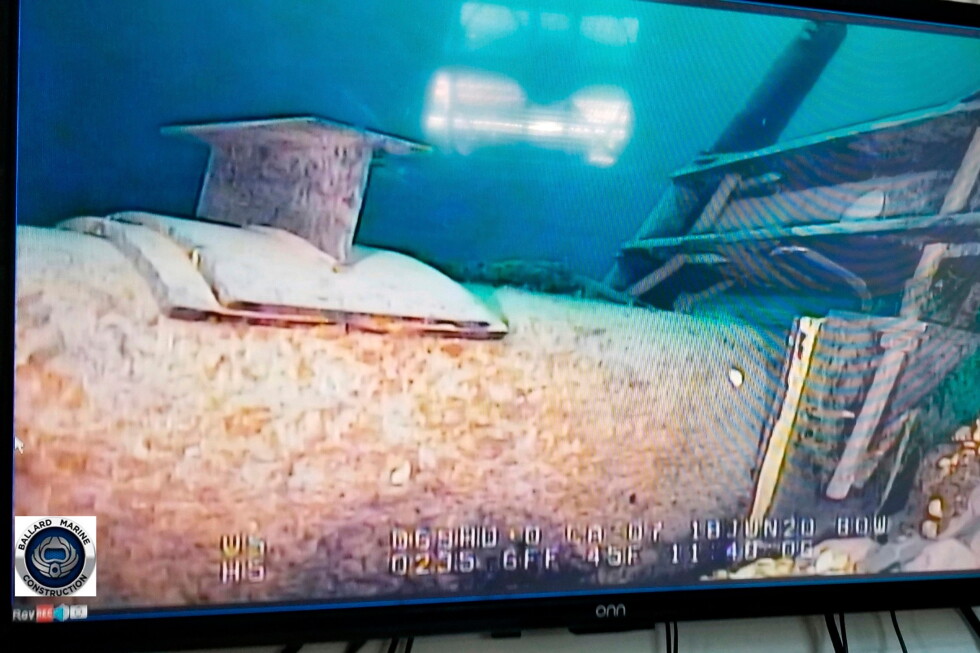
A ruling from the court, with a 6-1 majority, has introduced further uncertainty regarding the 73-year-old pipeline operated by the Canadian company Enbridge, which transports petroleum from Superior, Wisconsin, to Sarnia, Ontario. The contentious section of the pipeline, known as Line 5, stretches 4 miles (6 kilometers) along the bed of the Straits of Mackinac, where Lakes Huron and Michigan converge.
The proposed solution by Enbridge is to encase the pipeline in a tunnel beneath the straits. However, environmental groups and Michigan’s Governor, Gretchen Whitmer, advocate for the pipeline’s complete removal from the waterway, citing potential catastrophic environmental impacts from any spill in the region.
In 2023, the Michigan Public Service Commission had issued a permit for the tunnel’s construction. This decision was met with legal challenges from four Michigan tribal nations and various environmental organizations.
The recent decision by the Michigan Supreme Court highlighted that regulators did not consider if the tunnel project would prolong the pipeline’s operation, potentially exacerbating environmental harm. Furthermore, the court noted that the commission inconsistently evaluated alternatives to the pipeline, such as oil transportation via trucks or trains, and failed to thoroughly assess the tunnel’s possible effects on fishing, boating, and other public trust activities in the Great Lakes.
Critics of the pipeline argue that the proposed project is unprecedented and would transform the Straits of Mackinac—a site sacred to the Indigenous Anishinaabe tribes—into a prolonged construction zone.
Attorney David Gover from the Native American Rights Fund stated, “Whether Line 5 is suspended in the water or encased in a tunnel, it is simply a terrible idea to pump more than half a million barrels of oil every day through the middle of the Great Lakes.”
Enbridge, in response to the ruling, is currently evaluating its legal options. The company expressed disappointment over the additional delay in a project that has been under scrutiny for nearly a decade, asserting that the tunnel would “enhance environmental protection of the Great Lakes while maintaining critical energy reliability for the region,” according to spokesman Ryan Duffy.
The tunnel proposal was initiated nearly ten years ago following an incident where a ship’s anchor dented part of Line 5. Enbridge contends that the tunnel would significantly reduce the risk of an oil spill, while environmentalists warn of potential noise, vibrations, and lasting environmental harm from the tunnel’s construction beneath the Straits of Mackinac.
Meanwhile, in a separate series of legal efforts, Gov. Whitmer and other state officials have been pursuing the complete shutdown of the pipeline under the straits since 2020.