Amid a flurry of legal challenges, a coalition of 25 states has taken a stand against the Trump administration’s latest imposition of tariffs. These tariffs, which have been described as a means to replace previously invalidated import taxes, have sparked significant controversy.
Last month, the United States introduced double-digit tariffs targeting 59 countries and the European Union, accusing them of insufficient efforts to curb imports produced through forced labor. This move coincided with the expiration of temporary tariffs that President Donald Trump had implemented following a Supreme Court ruling.
State-Led Legal Challenge
“After losing at the Supreme Court, the administration is once again trying to illegally raise taxes on families and businesses with a new round of tariffs,” stated New York Attorney General Letitia James. The legal action, spearheaded by New York, sees participation from other states including California, Illinois, and Virginia, among others.
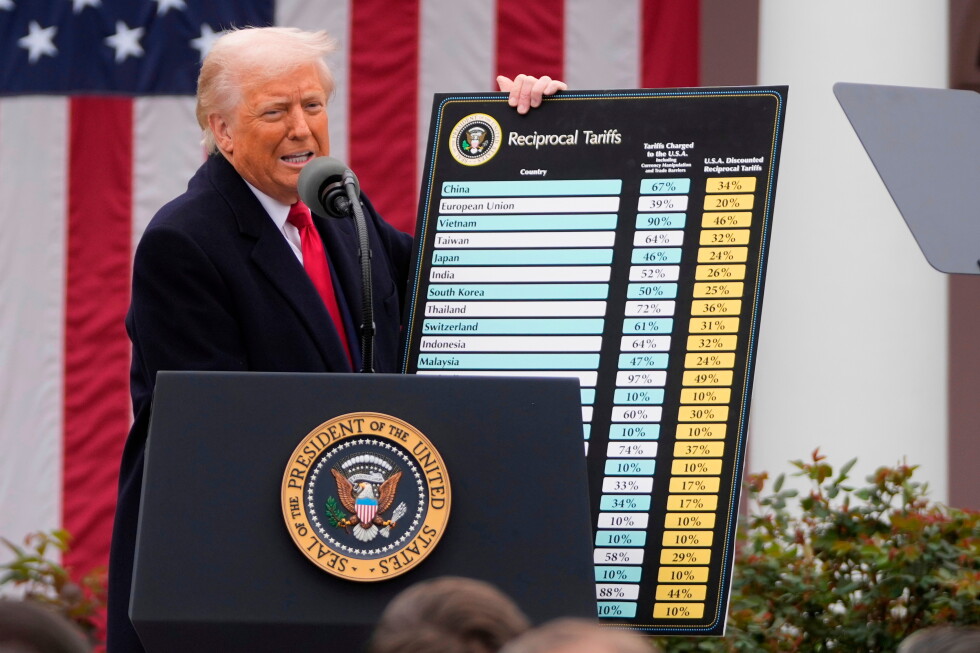
President Trump, who has consistently advocated for high tariffs as a mechanism to rejuvenate American manufacturing, previously reversed decades of U.S. policy favoring lower tariffs and freer trade. Leveraging the 1977 International Emergency Economic Powers Act (IEEPA), Trump initially enacted widespread tariffs, citing a national emergency caused by the U.S. trade deficit. However, the Supreme Court ruled that IEEPA did not permit such tariffs, leading to refunds to affected importers.
Section 301 Tariffs
In response to the Supreme Court’s decision, Trump resorted to temporary 10% global tariffs, which expired on July 24. To counter the revenue shortfall, the administration now employs Section 301 of the Trade Act of 1974. This section allows the imposition of tariffs and sanctions against countries engaged in unfair trade practices. Utilizing this authority, Trump has implemented tariffs ranging from 10% to 12.5% on countries accounting for 99% of U.S. imports.
White House spokesman Kush Desai defended the move: “The United States is using its lawful authority to obtain the elimination of unreasonable acts, policies, and practices that burden U.S. commerce.” He emphasized that Section 301 tariffs have proven legally robust since Trump’s first term.
Legal Precedents and Challenges
This state-led lawsuit follows two other legal challenges in The Court of International Trade filed by small businesses in July. These lawsuits claim that the government failed to sufficiently justify the tariffs against each targeted economy or demonstrate how these measures would rectify the issues they were intended to address, as mandated by Section 301.
For more insights, read the full AP report on the legal battles.