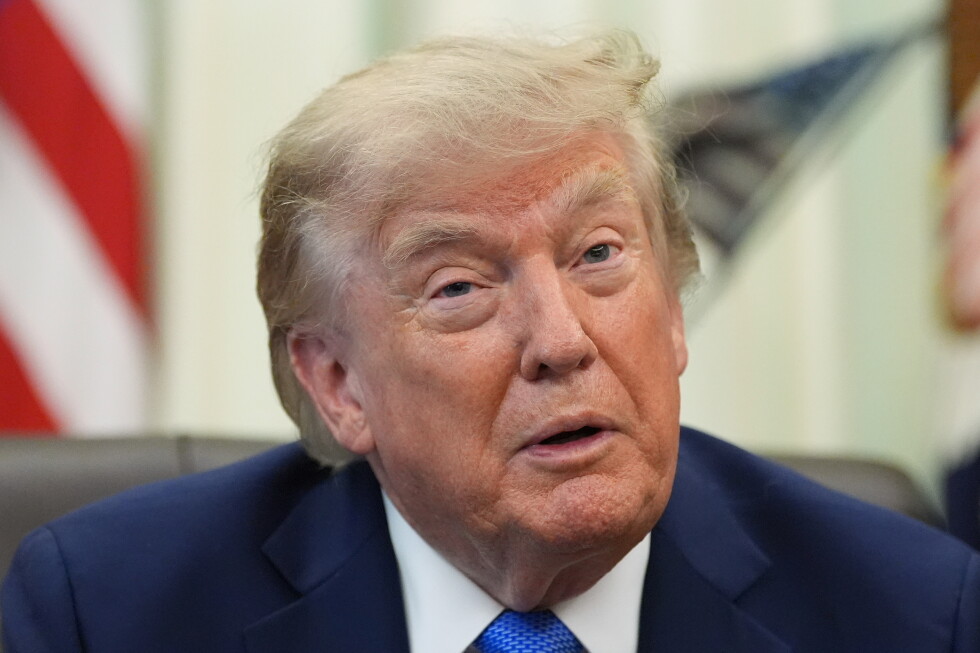
The Trump administration has issued new executive orders aimed at redefining birthright citizenship in the United States, sparking potential legal battles. These orders follow a Supreme Court ruling that previously blocked similar attempts by the administration.
President Donald Trump confirmed that the latest actions take into account adjustments following the Supreme Court decision in June. However, experts anticipate legal challenges to these new restrictions.
Targeted Restrictions on Citizenship
Under current law, birthright citizenship is provided to nearly all individuals born on U.S. soil. The latest executive order aims to narrow this by excluding specific groups, such as children born to foreign diplomats or those considered “alien enemies.”
Additionally, the order seeks to prevent citizenship for babies born from “birth tourism” and those whose parents are linked to foreign governments, international organizations, or deemed terrorist groups.
Ohio State University law professor César Cuauhtémoc García Hernández questioned the practicality of identifying children born to members of terrorist organizations, stating, “These are not organizations that are sharing the membership lists if they even have them.”
Concerns Over Birth Tourism
The executive order characterizes birth tourism as entering the U.S. with a nonimmigrant visa explicitly to give birth. While birth tourism is already considered visa fraud, the new order provides immigration officers with broader discretion to deny entry to pregnant women without set guidelines.
President Trump claimed that “hundreds of thousands” engage in birth tourism, a figure experts like Colleen Putzel-Kavanaugh from the Migration Policy Institute believe to be an overestimate. CDC data noted about 9,600 children were born to foreign mothers with addresses outside the U.S. in 2024, while the Center for Immigration Studies estimated 20,000 to 26,000 birth tourists annually.
Legal and Political Implications
The orders also target those facilitating birth tourism, accusing operators of misleading foreign nationals with promises of citizenship and benefits. Past administrations have similarly sought to prosecute these operators.
Despite the administration’s confidence in the order’s constitutionality, experts and advocates assert that the 14th Amendment’s guarantee of birthright citizenship remains robust. Cody Wofsy from the ACLU Immigrants’ Rights Project stated, “Birthright citizenship is guaranteed by the 14th Amendment, and no amount of executive orders is going to change that.”
___
Associated Press writer Melissa Goldin contributed.