Amid increasing concerns about water scarcity, Arizona is exploring innovative solutions to enhance its water supply through strategic partnerships with California and Mexico. These initiatives, spearheaded by Arizona’s Water Infrastructure Finance Authority (WIFA), could significantly alter the state’s water landscape.
Last year, WIFA sought ideas for sustainable water augmentation and is now evaluating seven proposed projects. Recently, it approved initial steps for two of these proposals, though not all seven may be feasible financially.
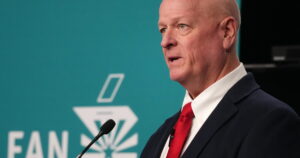
“These are the scopes that actually dictate real work on the ground to give us real answers to the questions we all have, like, ‘How much is this water going to cost? Do we have willing exchange partners and willing stakeholders and partners in the communities where these projects are going to be built?’” WIFA Director Chelsea McGuire stated.
Proposed by EPCOR, a Canadian utility provider, the two projects aim to deliver approximately 100,000 acre-feet of water annually to Arizona, enough to serve about 600,000 homes. However, these projects will take several years to materialize.
The proposals focus on potable reuse and groundwater storage, leveraging potential agreements with California and Mexico for infrastructure development in exchange for Colorado River water.
Water Storage Project
This initiative involves Arizona investing in the storage of surplus water from California’s Sacramento and San Joaquin rivers. In return, Arizona would receive a portion of California’s Colorado River allocation, contingent on California’s cooperation.
Ongoing negotiations around the Colorado River suggest potential reductions in water allocations for Arizona, Nevada, and California. Currently, WIFA is engaging with California stakeholders but has not secured any commitments.
South Bay Potable Water Reuse Project
The existing South Bay International Water Treatment plant in southern California, which processes waste from Mexico, is central to another proposal. EPCOR plans to expand distribution to Mexicali, trading treated water for a share of Mexico’s Colorado River water. Alternatively, a direct pipeline to Arizona is under consideration.
Outstanding Questions
Arizona is in the preliminary stages of evaluating these and other water augmentation ideas. Project completion and water delivery are not anticipated for at least a decade.
The financial implications remain uncertain, with potential costs surpassing current water rates. “We don’t have a number like that. I think it’s safe to say it would be more than $300 an acre-foot that’s being paid for CAP Colorado River water today, and watch what happens to that price when their deliveries get cut in half,” WIFA board member Ted Cooke remarked.
Funding sources are yet to be determined, but federal grants are being considered. The critical question of cost-effectiveness is under assessment by water providers.
“We’re asking them those questions at the same time that we’re developing those projects so that that answer can inform the off-ramps,” McGuire noted.
For more details on Arizona’s water projects, visit the original article here.