Preservation Challenges and Triumphs in Phoenix’s Rich Historical Tapestry
Phoenix, a city steeped in history, is home to renowned landmarks such as the Orpheum Theatre, opened in 1929, and lesser-known sites like the Arizona Citrus Growers Association Warehouse, which connects to Chase Field. Nevertheless, despite robust preservation ordinances, the city faces a struggle against what some describe as a “tear down culture.”
Kimber Lanning, prominent preservation advocate and founder of Local First Arizona, emphasizes the economic advantages of conserving historic structures, highlighting benefits such as real estate performance, employment opportunities, entrepreneurship, small business development, and tourism.
Phoenix employs several strategies to safeguard its historic properties, including its Historic Property Register and the Adaptive Reuse Program, which repurposes older buildings for new uses. However, Lanning observes a persistent trend of demolishing these structures, leading to an exodus of professionals seeking a richer cultural environment.
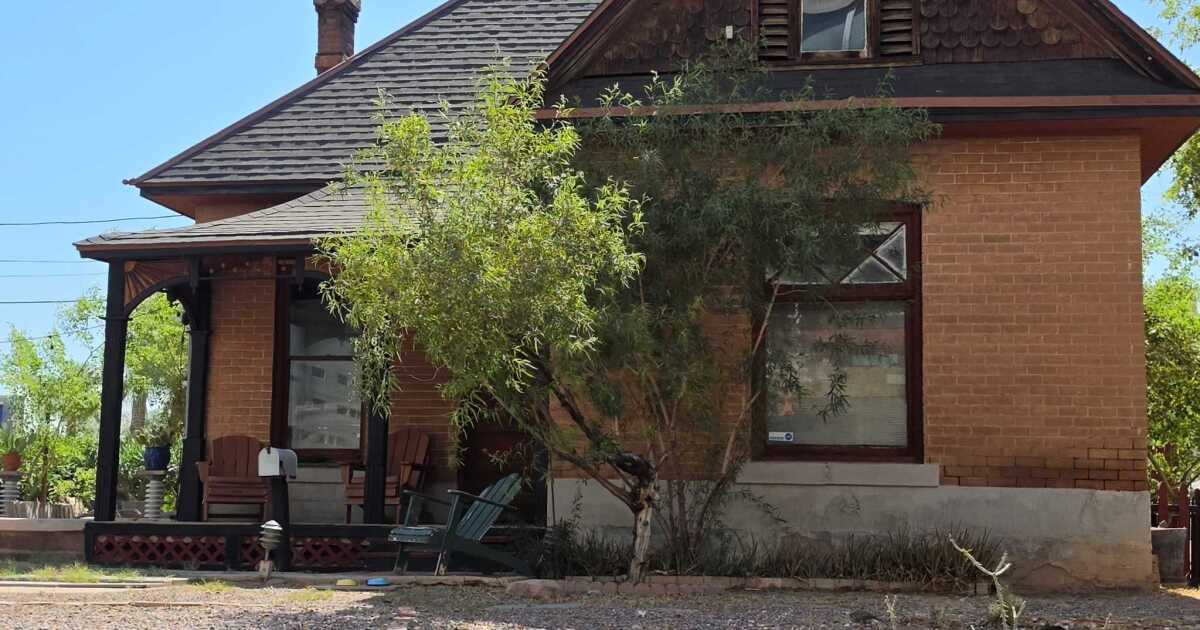
The Arizona Board of Regents recently withdrew its eminent domain lawsuit against an elderly Phoenix resident and his historic home, following public outcry. Meanwhile, Phoenix Historic Preservation Officer Helana Ruter notes that many newcomers to the city lack a connection to its historical legacy, often prioritizing development over preservation.
Ruter acknowledges the ongoing tension between development and preservation, stating, “We have a better job to do in terms of public engagement and trying to figure out how to really convey why these places are important.” Lanning concurs, noting that larger projects may offer financial incentives through fees, but preserving history could yield long-term savings.
Despite renovations, such as the $5 million upgrade to the Orpheum Theatre, challenges persist. Even properties with protection face threats when state or federal entities intervene, as evidenced by the Arizona Board of Regents’ lawsuit over the Louis Emerson House.
The lawsuit’s dismissal was attributed to public scrutiny and the intervention of a special envoy for American landowners. Robert Young, the 89-year-old owner, expressed relief, stating, “Everybody that sees the house, comes by the house, they love the house, the single exception being ASU and the city of Phoenix. It’s an embarrassment.”
While the city’s preservation framework is robust, federal and state interventions can override local protections. The city was not directly involved in the lawsuit, as a lawyer for ASU and the state pointed out that ownership matters in such legal disputes.
Mike Hardesty of Preserve Phoenix argues that alternatives should be explored before forfeiting historic sites. Ruter mentions relocation was discussed with the owner, but Lanning highlights the complexity of such processes, advocating for streamlining and resource allocation to the city’s planning office.
Ruter’s office is actively seeking additional funding sources, expressing a commitment to enhancing preservation efforts: “We’ve got great staff here and we want to continue kind of trying to find these additional tools.”