California Introduces New Label to Identify Non-Ultra-Processed Foods
Amid growing concerns about the health impacts of ultra-processed foods, California is taking a pioneering step by introducing a label to guide consumers towards healthier choices. The state has launched a new initiative aimed at distinguishing non-ultra-processed foods on store shelves, setting a precedent that could influence national standards in the future.

Governor Gavin Newsom signed Assembly Bill 2244 on September 28, marking the creation of a voluntary label that identifies foods as not ultra-processed, as announced by the governor’s office. This initiative, inspired by the USDA Organic label, is expected to roll out its first phase in June 2029 under guidance from the state’s health department.
Assemblymember Jesse Gabriel (D-Encino), who authored the bill, emphasized the need for clarity in food labeling: “Parents shouldn’t need a Ph.D. in chemistry to understand what they’re feeding their kids,” he stated, according to a release from the governor’s office.
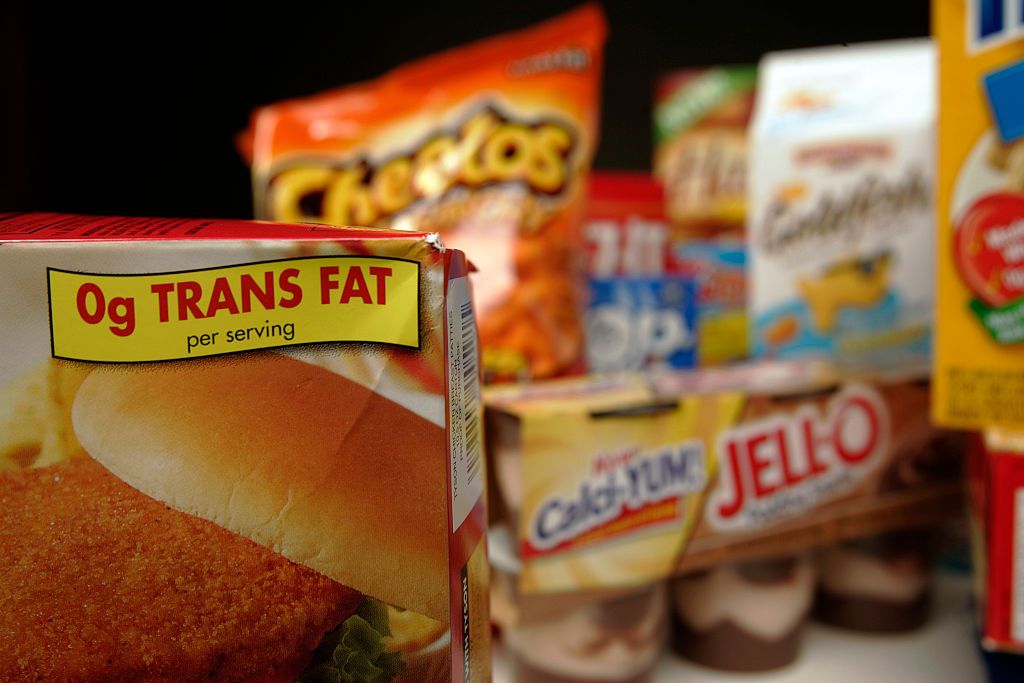
In California, a food qualifies as ultra-processed if it includes additives like artificial flavors, colors, or emulsifiers and is high in saturated fat, sodium, or sugar, or contains artificial sweeteners. Common examples include soda, chips, sugary cereals, and snack cakes.
Recent research highlights the health implications of ultra-processed foods, particularly for Black Americans. A large heart study showed that ultra-processed foods constituted 32% of daily food intake among Black participants versus 30% for white participants, as reported by TCTMD. The study found a 12.3% increase in cardiovascular disease risk among Black participants for every 10% increase in ultra-processed food consumption, compared to a 7.9% increase for non-Black participants.
Research attributes these disparities to targeted advertising of junk foods in Black communities and limited access to fresh, less-processed foods. A 2022 report from the Rudd Center at UConn revealed that candy, sugary drinks, snacks, and cereals accounted for three-quarters of Black-targeted TV ad spending in 2021, a significant increase from 2017.
Despite support for the initiative, the food and manufacturing industries have expressed concerns. The Consumer Brands Association, representing major packaged-food companies, opposed the bill, arguing that the labeling criteria are impractical in a grocery store context.
California’s proactive approach may set a benchmark for national policies. The state previously pioneered organic food labeling, which eventually led to the USDA Organic seal, aiming for a unified standard rather than varied state rules, according to FoodNavigator-USA. Currently, federal regulators are developing a national definition of ultra-processed food, as noted by The Shelby Report.
Globally, the U.S. lags behind countries in Latin America, where nutritional warning labels have been implemented since 2010, beginning with Mexico. Nations like Ecuador, Chile, Peru, Uruguay, Argentina, and Colombia have adopted front-of-package labels, as reported by The Guardian. In Chile, such labels have effectively reduced sugar and salt purchases and prompted reformulations by food companies.
In contrast, California’s new seal is designed to encourage healthier consumption by highlighting better food options rather than deterring unhealthy choices.