The Need for Diversifying Black Historical Narratives in Media
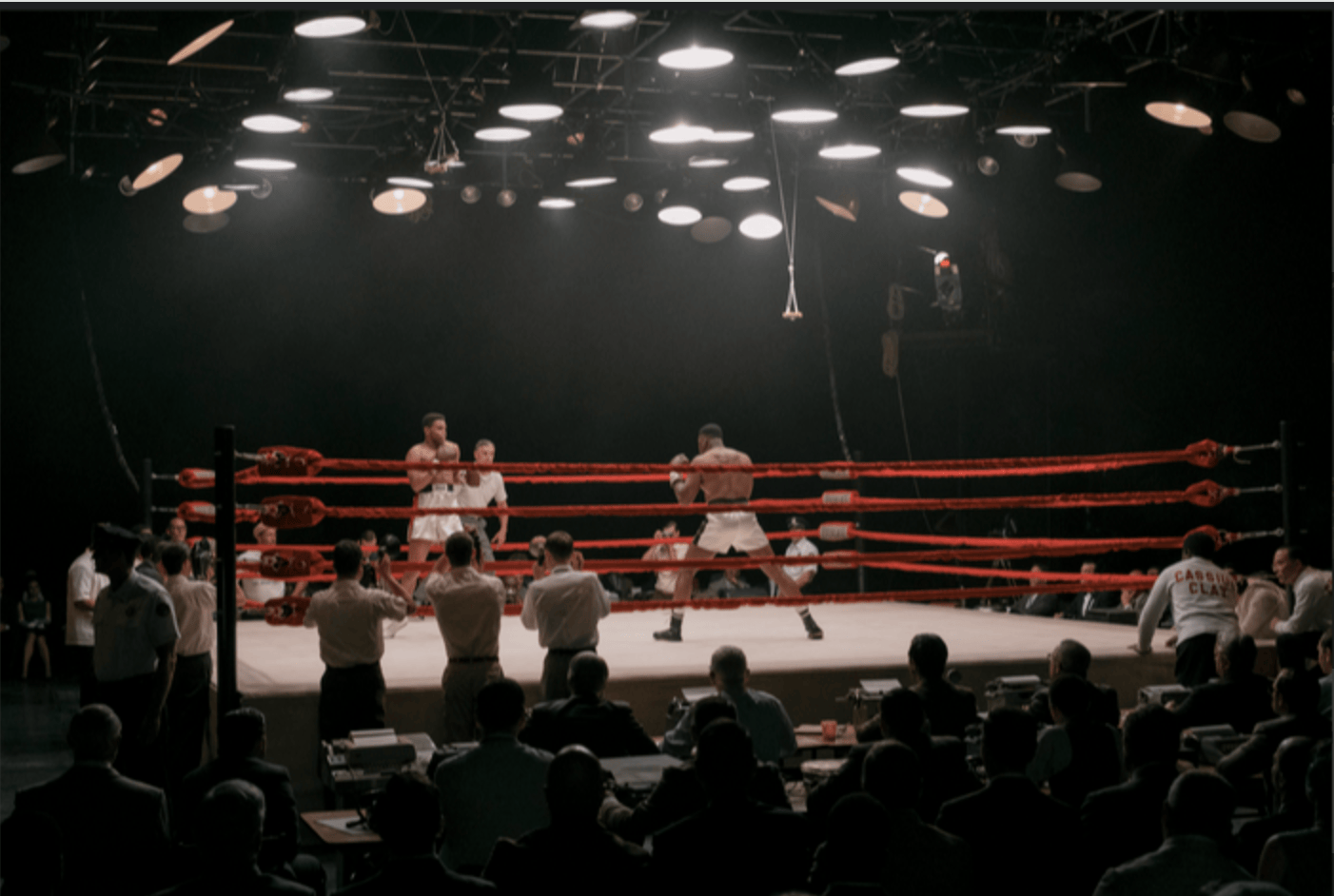
alt=”A boxing match scene from "The Greatest" showing two fighters in a red-roped ring under bright overhead lights, with spectators seated ringside watching the bout.”
width=”1024″
height=”688″
loading=”lazy”
decoding=”async”
/>
With the release of Amazon Prime’s series The Greatest, spotlighting the life of Muhammad Ali, a discussion has emerged among writers at NewsOne regarding the repetitive focus of Black historical narratives in film and television. During a team meeting, Managing Editor Monique Judge inquired about the team’s engagement with the show, prompting writer Stephen A. Crockett to voice his refusal to watch it. His reasoning highlights a broader issue: the limited scope of Black history portrayed in media.
Over the span of 34 years, narratives about Black history in visual media have often revolved around a select few figures, such as Muhammad Ali, Martin Luther King Jr., Malcolm X, Jackie Robinson, and Rosa Parks. While these individuals are undeniably important to American history, the representation of Black historical figures remains narrow.
Past productions like Our Friend, Martin and the upcoming Fight Night: The Million Dollar Heist have offered unique perspectives by weaving historical events with creative storytelling. However, the general portrayal of Black history remains limited to a few well-trodden paths.
The late 2010s and early 2020s saw a brief surge in diverse Black narratives with films such as Judas and the Black Messiah, I Am Not Your Negro, and Hidden Figures. Unfortunately, this wave of storytelling was short-lived, leaving a gap in diverse representation of Black history.
Many times, narratives about Black historical figures are replaced by stories of slavery or trauma, overshadowing the richness and diversity of Black history. Take, for instance, the story of Robert Smalls, a former slave who commandeered a Confederate ship, joined the Union army, and became a congressman. His story is a testament to overcoming adversity and could provide a compelling narrative beyond the traditional slavery tale.
Likewise, the Harlem Renaissance offers an untapped reservoir of stories focusing on Black intellectuals and artists, such as Louis Armstrong, W.E.B. Du Bois, Marcus Garvey, and Josephine Baker. These stories could enrich the television landscape by showcasing the cultural and intellectual contributions of Black figures during this vibrant period.
Hollywood’s tendency to recycle familiar narratives can be attributed to the industry’s corporate ownership and decision-makers, who are predominantly white. This has led to a focus on recognizable names, limiting the scope of Black historical storytelling.
In contrast, films about lesser-known white historical figures are regularly produced. For instance, The King’s Speech explored King George VI’s speech therapist, and The Social Network highlighted Facebook founder Mark Zuckerberg shortly after his rise to fame. Recently, Netflix released The Altruists, focusing on the FTX crypto scandal involving Sam Bankman-Fried.
According to the Hollywood Diversity Report, audience demand for diverse stories remains strong. It is time for studios to recognize this potential and expand their portrayal of Black history to include a broader range of stories. There is a substantial audience eager for these narratives, and embracing diversity in storytelling could yield surprising results.
SEE ALSO:
Joe Nerds Out: The Beginner’s Guide To Comic Books
‘You Can See Everything’ Is Peak White People’s Business