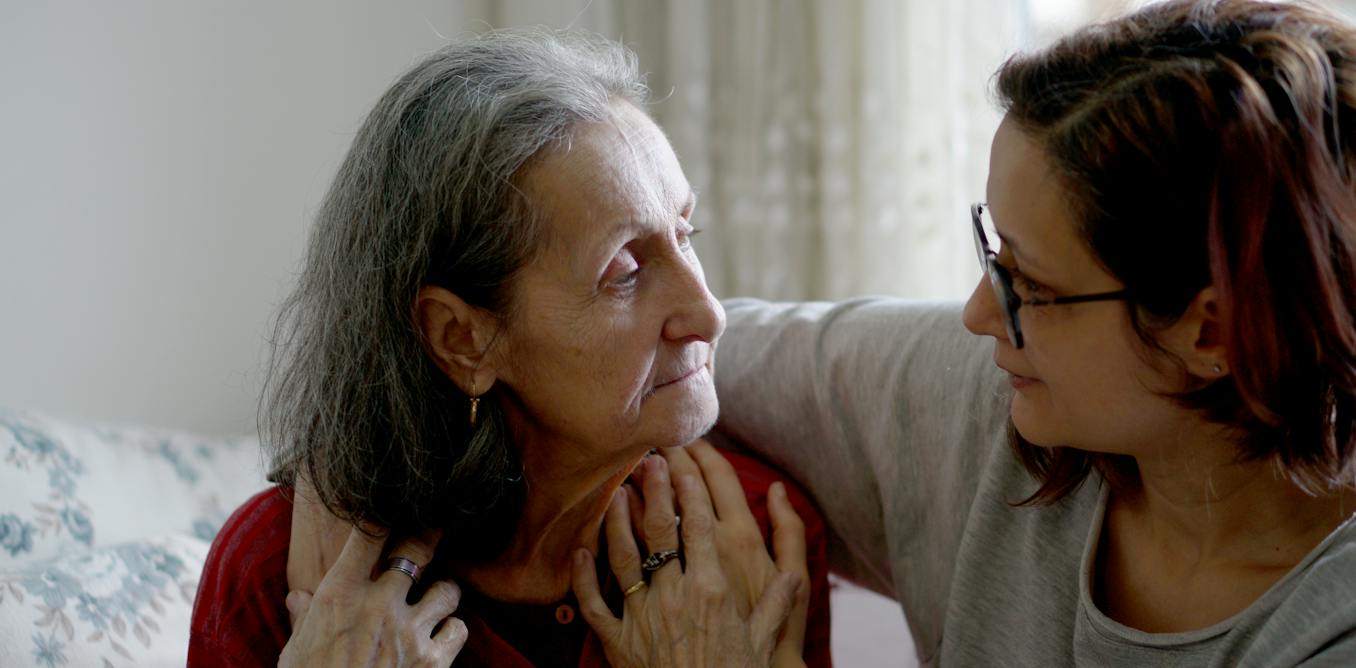
The “Saturday Night Live” sketch titled “Sister” has struck a chord with many viewers, highlighting a common dynamic in families dealing with aging parents. The skit portrays the reliance on daughters to take on caregiving roles, sparking a wider conversation about societal expectations and caregiving responsibilities.
In the humorous yet telling skit, men express their love for their father but choose not to pause their lives to manage his chronic health issues. Instead, they resort to a clever service that involves texting “Dad fell” to their sister, who then takes over the caregiving duties.
“Years of internalized sexism warps Sister’s brain into thinking caretaking is her responsibility, and somehow not yours,” explains a character in a doctor’s white coat, encapsulating the sketch’s critical message.
Rising Numbers in Caregiving
The sketch resonates deeply because an increasing number of individuals, like the character played by Jane Wickline, find themselves in similar caregiving roles. Back when Carol, my sister, cared for our mother, 43.5 million Americans were caregivers. Today, that number has grown to 63 million, equating to roughly 1 in 4 adults.
The Burden on Family Caregivers
Family caregivers enable many elderly individuals to age in place, providing a sense of happiness and reducing medical costs. However, this comes at a significant personal cost for the caregivers. Studies indicate that caregivers endure more physical and emotional stress compared to the general population.
The skit’s closing warning, delivered in rapid-fire style akin to pharmaceutical side effects, humorously but pointedly notes: “Sister may break down without warning.”
Financial and Personal Costs
Choosing family caregiving over professional services can save significant costs, with the average in-home care rate at $35 per hour, totaling over $25,000 monthly for round-the-clock care. Comparatively, the median household income is $87,460 annually.
However, caregivers often sacrifice their own financial well-being. Over 90% of caregivers reduce their work hours, impacting wages, retirement benefits, and Social Security. Many, echoing the “Sister” sketch, leave their jobs to provide unpaid care.
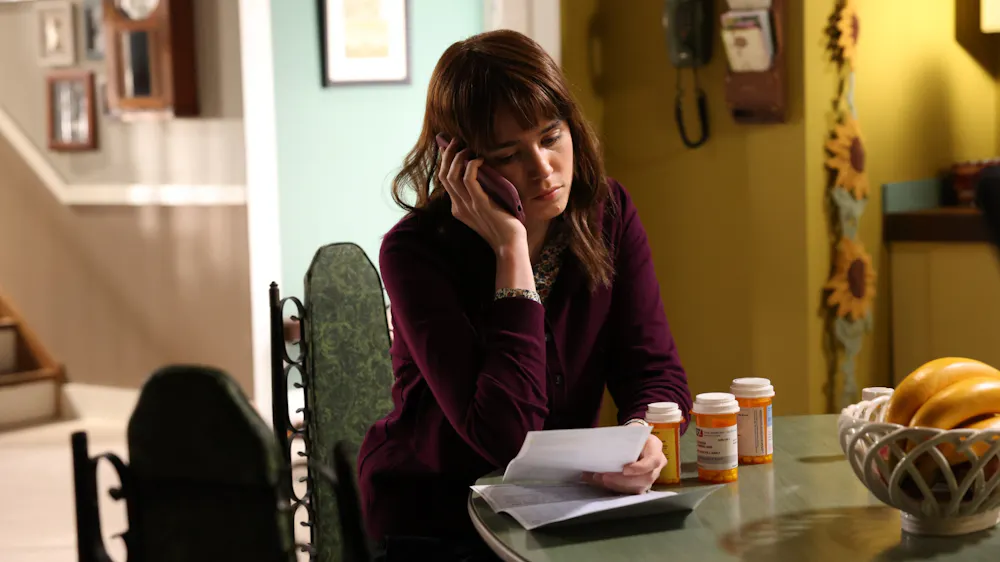
NBC
Gender Disparities and the ‘Daughterhood Penalty’
Research reveals that men with sisters provide less parental care than those without, while women with brothers offer more care, a phenomenon dubbed the “daughterhood penalty.” This imbalance stems from societal norms associating caring with femininity.
Social psychologists Toni Schmader and Katharina Block discuss how children learn that caring is a feminine trait, despite no inherent gender differences in caregiving abilities.
Although previous economic theories on gender roles in employment focused on education and experience, modern economists, including economists like me, now recognize the influence of social norms on job choices and wages, impacting who assumes caregiving roles.
There is a silver lining, as recent studies suggest the gender gap in caregiving is narrowing. Baby boomer women spent three times more time on chores than men, a gap reduced among millennials, largely due to decreased time spent by women on household tasks.