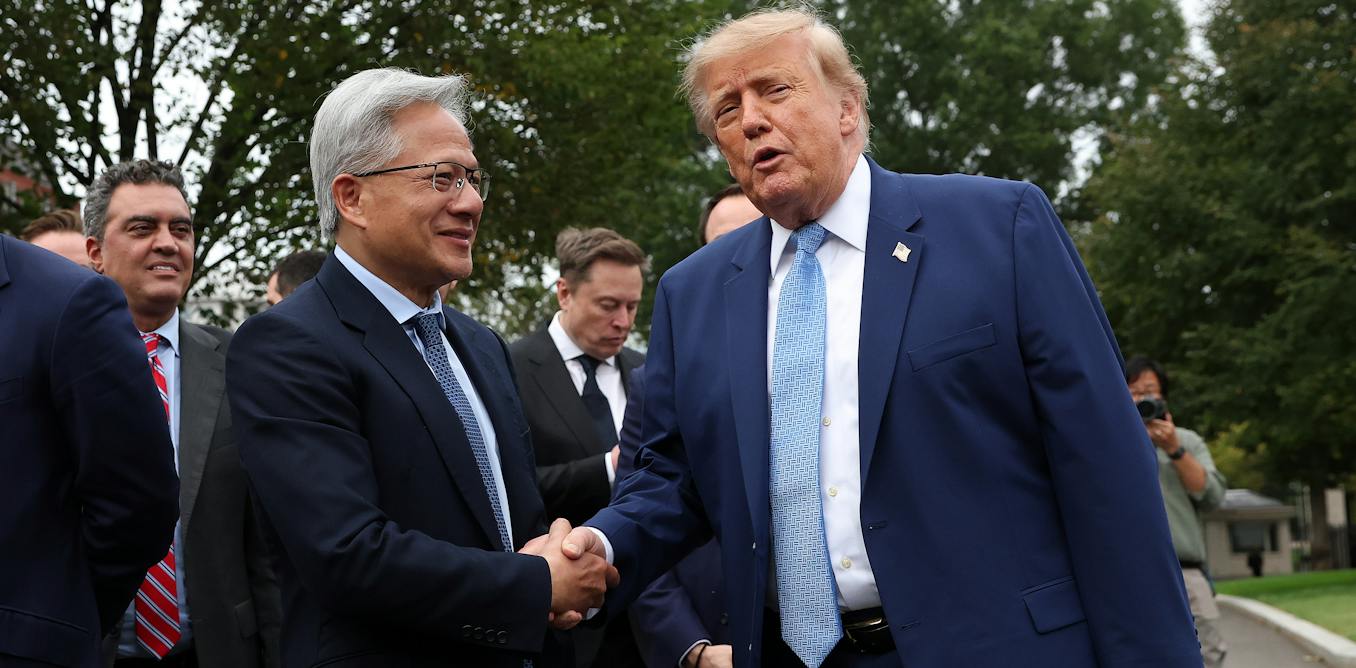
In a fast-paced world where tech giants often make headlines, Nvidia’s recent turmoil has captured significant attention. The company’s CEO, Jensen Huang, was ousted due to allegations of personal misconduct, causing Nvidia’s stock to plummet by over 10%, erasing billions in value. Yet, in a surprising turn of events, Huang was reinstated just 11 days later, raising questions about the decision-making process within the company’s board of directors.
The situation at Nvidia draws parallels to a similar scenario at Hewlett Packard over 15 years ago when Mark Hurd faced a comparable predicament. The scrutiny has now shifted from Huang’s actions to the board’s handling of the crisis, much like the aftermath at HP.
Prominent figures such as Peter Steinberger, Palmer Luckey, Elon Musk, and others, including President Donald Trump, were vocal about their support for Huang’s reinstatement. This high-profile backing has intensified discussions regarding the board’s decision.
As a scholar of management who has examined corporate misconduct, the consensus is that boards should take decisive action when faced with misconduct allegations. Research indicates that failing to address such issues can lead to reputational damage and further misconduct.
Impact of Misconduct
Boards are increasingly sensitive to misconduct due to heightened media scrutiny and potential risks to their own positions. Data suggests that directors at companies with embattled CEOs often leave at higher rates, either voluntarily or due to poor performance.
A notable example is Richard Schulze of Best Buy, who resigned after failing to report a CEO’s inappropriate relationship. This highlights the personal risks directors face when associated with corporate misconduct.
Chip Somodevilla/POOL/AFP via Getty Images
Directors also face personal consequences from corporate misconduct, potentially losing board seats or harming their reputations. This concern is evident in Nvidia’s case, where questions about board oversight and CEO succession planning have emerged.
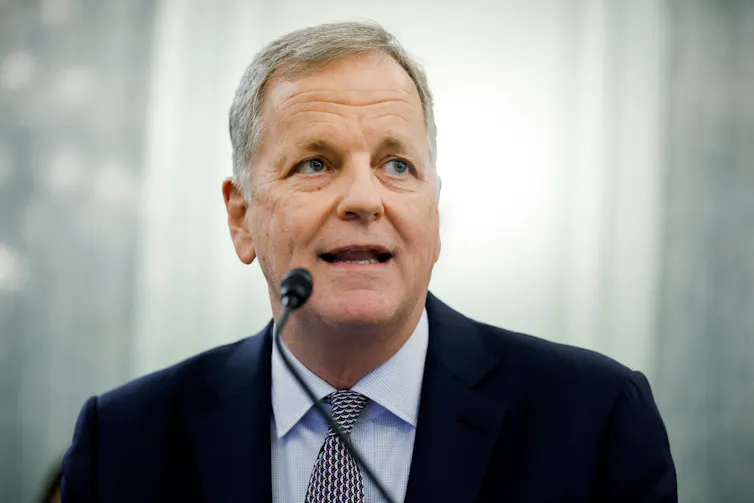
A key issue is moral hazard, where a lack of consequences emboldens reckless behavior. Research suggests repeated misconduct often worsens, as seen with former American Airlines CEO Doug Parker’s subsequent DUI incident, which attracted significant media attention.
Understanding Company Culture
CEO misconduct may reflect deeper cultural problems within a company. Research shows that personal misconduct often coincides with other corporate issues, as seen during Dov Charney’s time at American Apparel, when personal allegations coincided with financial mismanagement.
Nvidia’s board is now facing scrutiny over its organizational culture, financial practices, and potential national security risks. The decision to reinstate Jensen Huang marks a precedent and raises concerns about political influence and accountability in corporate governance.
As Warren Buffett observed, “It isn’t fundamental dishonesty that causes people to go in a different direction. It’s human nature.” Boards must ensure they address misconduct to protect their organizations effectively.
This article was updated on Nov. 23, 2026, to reflect Jensen Huang’s reinstatement as CEO.