In a significant legal development, a federal appeals court has reversed a previous judgment in West Virginia that declined compensation claims from regions heavily impacted by the opioid crisis. This decision marks a pivotal moment in the ongoing legal battles surrounding opioid distribution in the United States.
The 4th U.S. Circuit Court of Appeals based in Richmond, Virginia, concluded that the lower court’s interpretation of West Virginia’s public nuisance law was flawed when it dismissed the lawsuit regarding opioid distribution. The court stated, “West Virginia law permits abatement of a public nuisance to include a requirement that a defendant pay money to fund efforts to eliminate the resulting harm to the public.” This decision underscores the state’s historical view of abatement as an equitable remedy.
This ruling mandates that the case be reconsidered in the U.S. District Court in Charleston, aligning with the appellate court’s opinion. The case is part of numerous lawsuits filed by state and local governments against drug companies, holding them accountable for the opioid epidemic. Many of these lawsuits have been resolved through substantial national settlements worth over $50 billion, though trial outcomes have varied.
In 2022, U.S. District Judge David Faber ruled in favor of AmerisourceBergen Drug Co., Cardinal Health Inc., and McKesson Corp., who were accused by Cabell County and Huntington City of contributing to a health crisis by distributing 81 million opioid pills over an eight-year period. The court acknowledged the companies’ failure to monitor the distribution effectively, resulting in widespread addiction and misuse.
Judge Faber’s original ruling cited the West Virginia Supreme Court’s restricted application of public nuisance law to activities impacting public property or resources. Extending this law to the marketing and sale of opioids, he suggested, would diverge from established nuisance principles.
Previously, the federal appeals court sought clarity from the state Supreme Court on whether the distribution of controlled substances could be considered a public nuisance under West Virginia law. The state justices declined to provide a definitive answer, leading to the case’s return to the federal appellate court.
In its recent opinion, the 4th Circuit clarified that West Virginia’s highest court would not automatically dismiss public nuisance claims related to controlled substance distribution. The appellate court criticized the district court for its restrictive interpretation, noting that the West Virginia Mass Litigation Panel has recognized opioid distribution as a valid basis for public nuisance claims under state law.
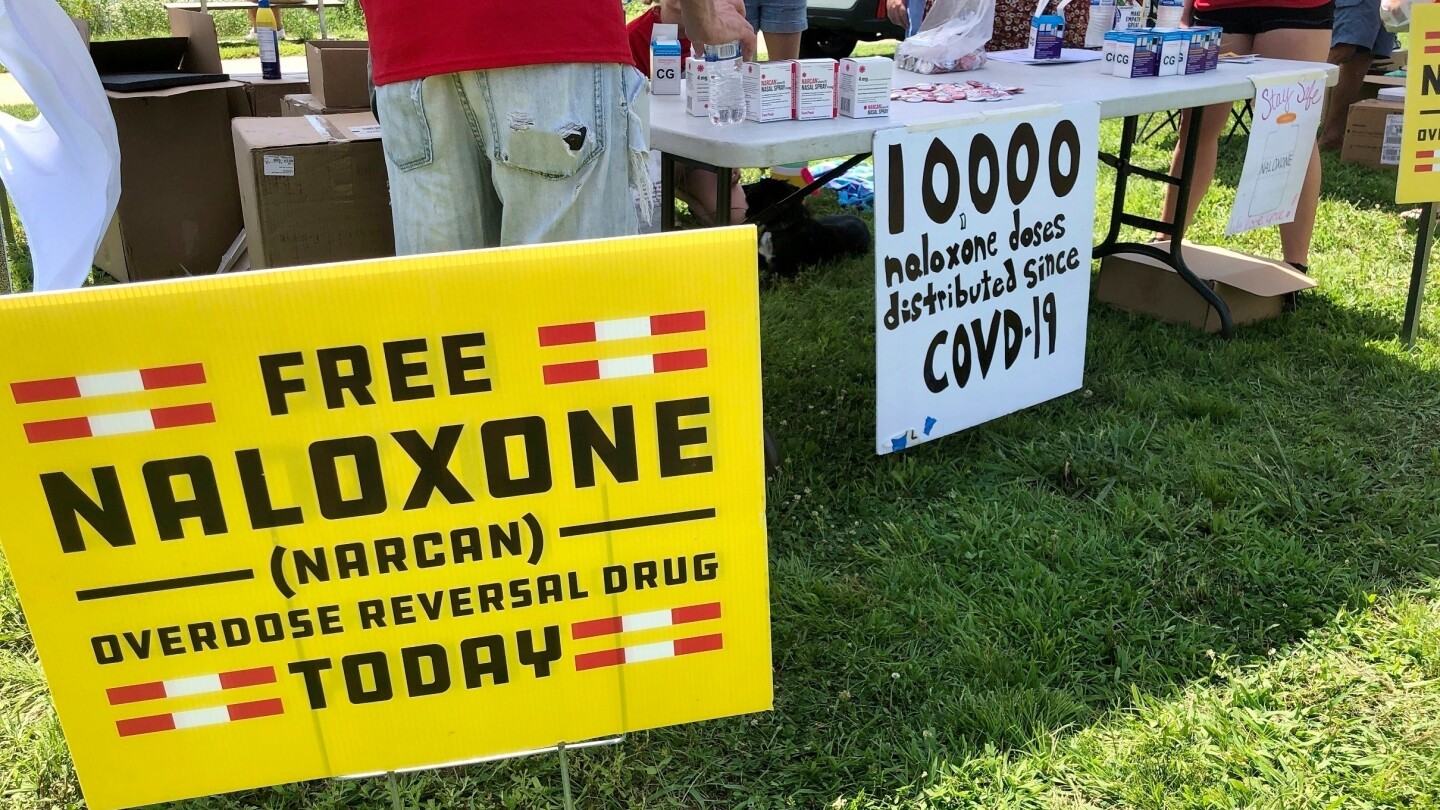
The plaintiffs, seeking over $2.5 billion for opioid prevention, treatment, and education initiatives, presented evidence of the devastating impact in Cabell County. In 2021 alone, the county experienced over a thousand emergency responses to suspected overdoses, with at least 162 resulting in fatalities.
Despite arguments from defense attorneys labeling the plaintiffs’ claims as “radical” and potentially leading to excessive litigation, the appellate court highlighted that the distributors’ responsibilities under the Controlled Substances Act were misinterpreted by the lower court, warranting further examination.