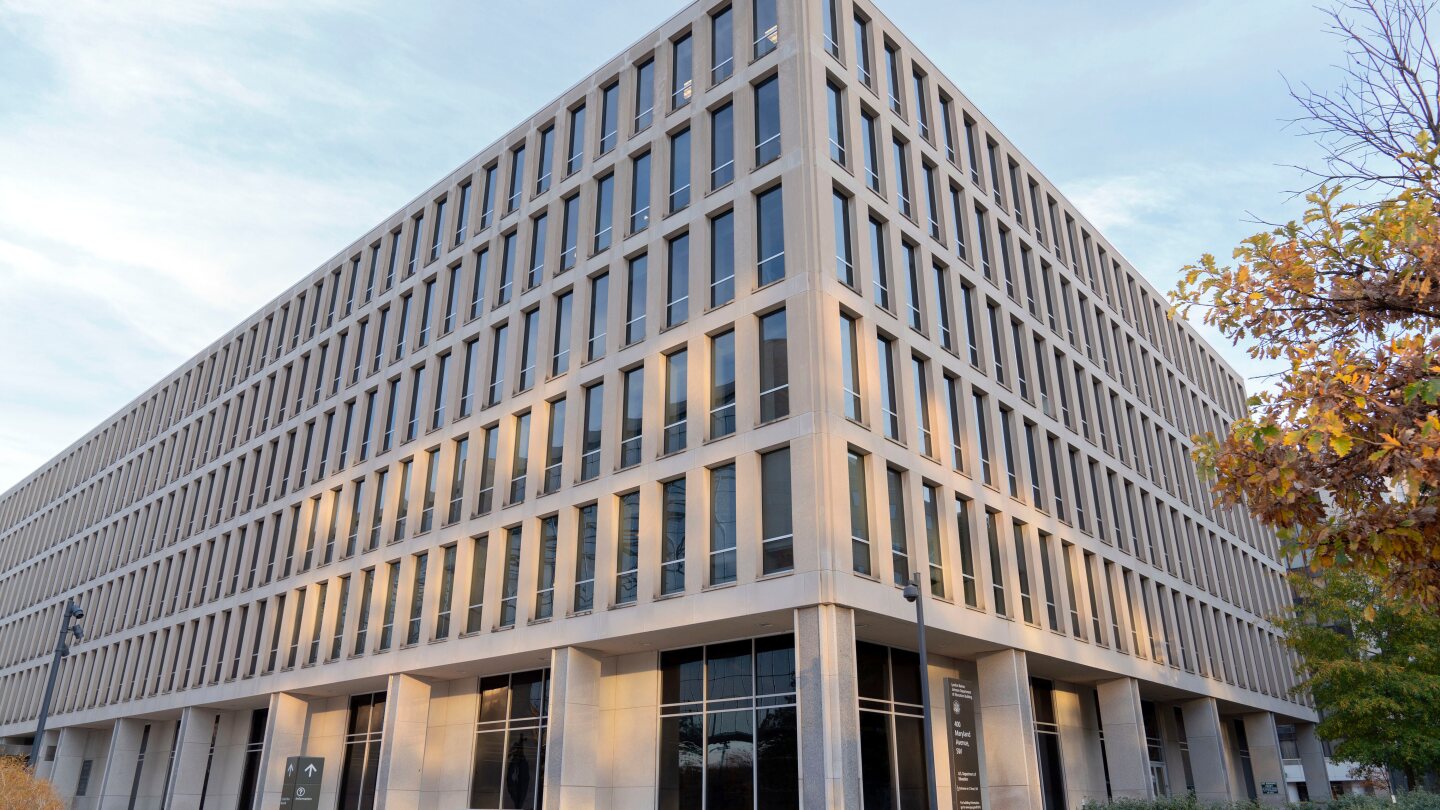
The Trump administration is advancing a controversial initiative that may alter the landscape of student loan forgiveness for many nonprofit workers. With new regulations, the Education Department gains authority to exclude certain organizations from the Public Service Loan Forgiveness program, a move that could affect professionals like teachers and healthcare workers.
According to the finalized rules, the government seeks to prevent funds from reaching groups involved in activities deemed unlawful. Critics argue that this approach introduces a potential for political bias.
Regulations Target Specific Nonprofits
Scheduled to be implemented in July, the policy primarily targets organizations involved with immigrant and transgender youth services. It allows the education secretary to exclude groups engaged in activities such as child trafficking, “chemical castration,” illegal immigration, and terrorism support. “Chemical castration” refers to hormone therapies often used in gender-affirming care for transgender minors.
This policy represents a significant shift in a program that has granted loan forgiveness to over 1 million Americans since its inception in 2007, designed to encourage graduates to pursue public sector careers. The administration estimates that fewer than ten organizations will be affected annually.
Education Undersecretary Nicholas Kent emphasized that the program was intended to assist those committed to public service, stating, “not to subsidize organizations that violate the law, whether by harboring illegal immigrants or performing prohibited medical procedures that attempt to transition children away from their biological sex.”
Impact on Public Service Careers
Michael Lukens from the Amica Center for Immigrant Rights criticized the new rules, suggesting they could drive away professionals from fields like immigration law, where public service loan forgiveness is a vital incentive. “All of a sudden, that’s going away,” Lukens remarked, highlighting concerns that people might leave nonprofit work for more lucrative private sector jobs.
The program traditionally offers loan forgiveness to public sector employees, including government workers, educators, and healthcare professionals, after ten years of service. The eligibility criteria focus on the nonprofit’s tax status and its mission.
President Donald Trump recently criticized the program for allegedly misallocating funds to activist groups that undermine national security. The administration’s changes raise concerns about subjective decision-making regarding an organization’s “substantial illegal purpose.”
Concerns Over Ideological Influence
Various professional associations in fields like education, healthcare, and law have opposed the reforms, arguing they represent an overreach that could undermine efforts to fill essential public service roles. The American Bar Association warned that the changes could reduce the availability of public defenders due to perceived political bias.
The National Council of Nonprofits expressed concerns that the policy might enable future administrations to alter eligibility rules based on political priorities.
Rep. Tim Walberg, R-Mich., supported the changes, asserting they prevent taxpayer money from funding “radical organizations that violate state and federal laws.”
Employers can only face sanctions for activities occurring after July 1, 2026. Organizations barred from the program can reapply after ten years or sooner if they adhere to a corrective plan approved by the secretary. The Education Department noted that a single legal violation might not suffice for exclusion, with decisions ultimately based on the secretary’s evaluation of evidence.