The ongoing government shutdown has placed the future of the Supplemental Nutrition Assistance Program (SNAP) in jeopardy, prompting a crucial legal battle in Boston. A federal judge is carefully considering the Trump administration’s controversial move to freeze food aid benefits.
U.S. District Judge Indira Talwani expressed doubts about the administration’s stance that SNAP benefits could be halted due to budget constraints caused by the government shutdown. During the hearing, Talwani highlighted the necessity of exploring alternative measures before suspending the program altogether, emphasizing that “the steps involve finding an equitable way of reducing benefits.”
With emergency funding allocation on the table, Talwani hinted at a potential ruling that could compel the government to allocate billions in emergency funds to sustain SNAP. She suggested that this approach aligns with congressional intent when an agency’s finances are depleted.
As the USDA prepared to halt SNAP payments, Judge Talwani noted the impact on recipients who might face reduced or delayed benefits. She pointed out the harsh reality: “We are dealing with a reality that absent a 100% win for you, the benefits aren’t going to be there on Nov. 1.”
Meanwhile, the legal proceedings unfolded amid a backdrop of urgency, with the U.S. Department of Agriculture set to pause payments imminently. The decision has sparked a flurry of legal challenges, including a recent lawsuit filed in Rhode Island by a coalition of cities and organizations.
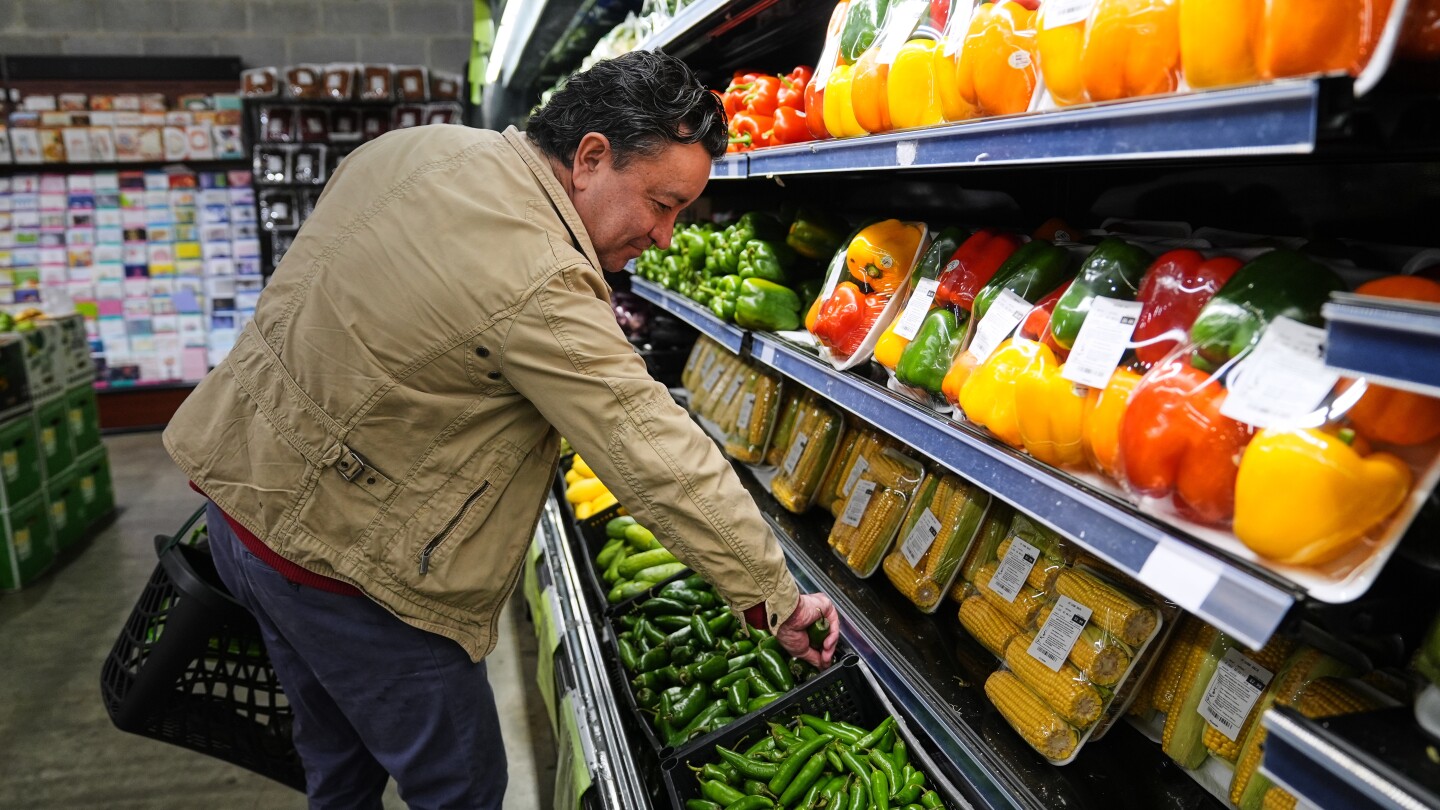
SNAP, a cornerstone of America’s social safety net, provides monthly assistance to approximately one in eight Americans, costing around $8 billion. The announcement of its potential suspension led to widespread concern among states, food banks, and SNAP recipients, prompting some states to consider using their funds to maintain the program.
The Trump administration contended that existing contingency funds, holding about $5 billion, were off-limits for SNAP, despite a prior USDA plan to utilize those funds. Democratic-led states argued that not only was the contingency fund viable, but a separate $23 billion reserve could also be tapped.
Judge Talwani’s decision could transcend state lines, potentially applying nationwide, despite the Supreme Court’s stance on limiting nationwide injunctions. She asserted that it would be unjust to subject recipients to different rules based on their state of residence.
The core of the debate centers on congressional intent in times of financial shortfall for SNAP. Talwani challenged the notion that suspending benefits was a suitable course, advocating for the use of emergency funds to provide reduced benefits instead.
The federal government’s legal team argued that full benefit dispersal would contravene laws prohibiting expenditures without congressional authorization. They also raised concerns that partial payments would necessitate complex recalculations, potentially delaying aid further.
Plaintiffs highlighted the broader ramifications of discontinuing SNAP funding, citing potential adverse effects on public health, education, healthcare costs, and retailers dependent on SNAP transactions.
To qualify for SNAP in 2025, a family’s net income must remain below the federal poverty line, approximately $31,000 annually for a family of four. Last year, SNAP supported 41 million people, with nearly two-thirds of beneficiaries being families with children.
For further reading, visit the government shutdown and Supplemental Nutrition Assistance Program sections on AP News.