Florida’s Legal Battle Over Recreational Marijuana Ballot Initiative
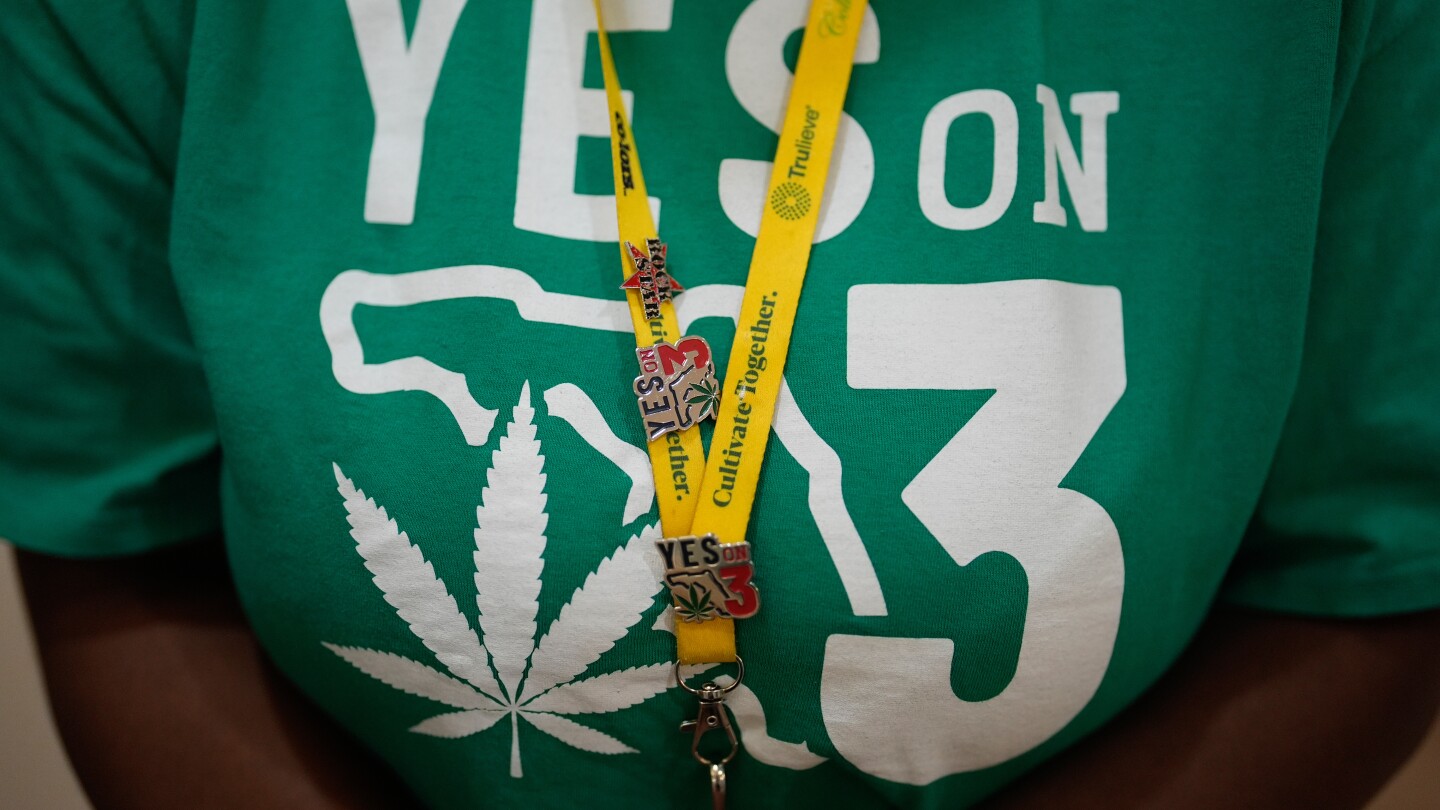
In a significant legal move, the campaign advocating for the legalization of recreational marijuana in Florida has taken action against Governor Ron DeSantis’ administration. The group claims that state election officials are hindering their efforts to secure a spot on the 2026 ballot. This legal confrontation marks a new chapter in the ongoing struggle between progressive campaigners and the conservative administration.
The group Smart & Safe Florida has escalated the matter to the Florida Supreme Court, accusing state officials of neglecting their legal responsibilities. The campaign argues that they have collected over three times the required number of voter petitions, yet the state has not provided the necessary confirmation. This confirmation is crucial as it allows the state attorney general to request a review of the ballot language by the Supreme Court.
According to the campaign’s petition, “As reflected by Respondents’ own publicly reported data, the initiative petition at issue here has secured three times the number of verified valid petitions required statewide.” The campaign insists that the state has a clear legal duty to confirm their petition count, which would pave the way for a potential constitutional amendment.
The urgency of the matter is underscored by the approaching 2026 election season. The campaign is working against the clock to meet the April 1, 2026, deadline for the Supreme Court’s approval. A spokesman for Secretary of State Cord Byrd, who is named in the lawsuit, declined to comment on the ongoing litigation, redirecting inquiries to the department. Governor DeSantis’ office also referred questions to the Department of State.
Currently, medical marijuana is legally accessible to qualifying patients in Florida, following a 2016 constitutional amendment. This expansion allowed for broader use beyond the limited therapeutic applications previously authorized by the state legislature. Florida voters have historically utilized the citizen ballot initiative process to bypass the Republican-majority legislature, successfully advancing initiatives like raising the minimum wage and restoring voting rights to individuals with felony convictions.
In a recent development, Governor DeSantis signed legislation imposing new requirements on citizen-driven ballot initiatives. Critics argue these changes make it financially burdensome and nearly impossible for grassroots campaigns to succeed. As a result, a campaign aiming to expand Medicaid has postponed its ballot initiative efforts until 2028.
Further controversy surrounds DeSantis’ administration, with accusations directed at the state’s welfare initiative foundation. Spearheaded by Florida’s first lady Casey DeSantis, the foundation reportedly allocated $10 million from a state settlement to two nonprofits. These nonprofits subsequently contributed substantial funds to a political committee that opposed the 2024 recreational marijuana ballot measure, chaired by the governor’s then-chief of staff, now Attorney General James Uthmeier.
For more information on the efforts to legalize recreational marijuana and other related political developments in Florida, follow these links provided for additional insights.