In a significant legal development, an appeals court has sided with the Trump administration, halting a judge’s efforts to monitor daily reports from a Border Patrol official on immigration enforcement in Chicago. This decision underlines the ongoing judicial tug-of-war over immigration policies and oversight.
The 7th U.S. Circuit Court of Appeals intervened to prevent U.S. District Judge Sara Ellis from receiving daily updates from Greg Bovino, a Border Patrol official. The court noted that such orders would transform Ellis into a “supervisor” rather than maintaining her role as a “neutral adjudicator,” thus breaching the doctrine of separation of powers. This action came amidst concerns over allegations of excessive force and the deployment of tear gas against protesters.
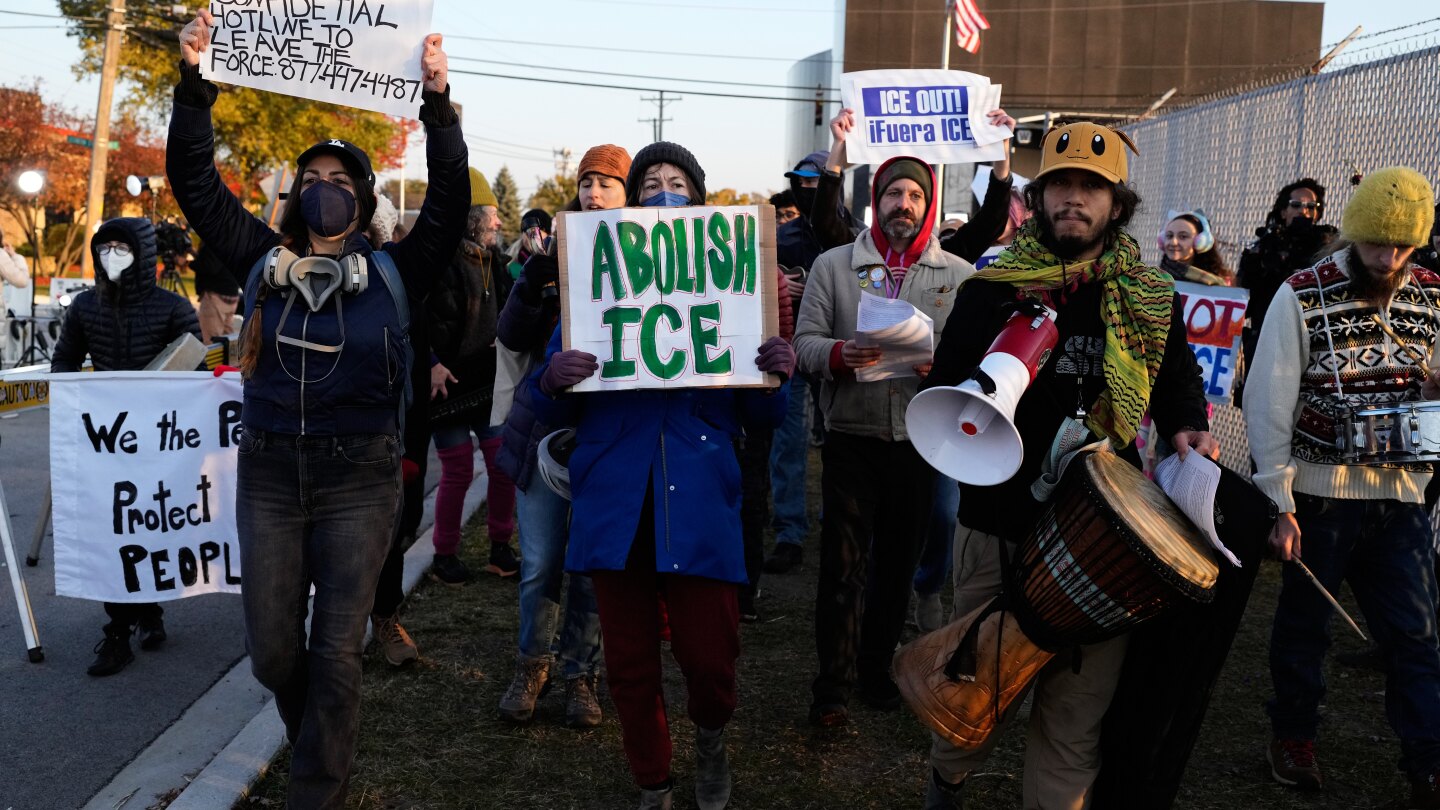
On a different legal front, Illinois advocates have taken a stand against federal authorities, filing a lawsuit over conditions at a Chicago-area immigration facility. The complaint, led by the American Civil Liberties Union of Illinois and the MacArthur Justice Center, highlights “inhumane” conditions and accuses U.S. Immigration and Customs Enforcement (ICE) of denying detainees essential rights. They assert that ICE agents have restricted access to private attorney consultations and barred entry to journalists and congress members, creating an opaque environment they describe as a “black box.”
The lawsuit further alleges coercion, with detainees reportedly being pressured into signing documents they don’t understand, potentially leading to unintended deportation. “They treated us like animals, or worse than animals, because no one treats their pets like that,” expressed one detainee in the lawsuit.
Alexa Van Brunt, heading the Illinois branch of the MacArthur Justice Center, criticized the treatment of community members, alleging they are “being kidnapped off the streets, packed in hold cells, denied food, medical care, and basic necessities, and forced to sign away their legal rights.” She emphasized, “Everyone, no matter their legal status, has the right to access counsel and to not be subject to horrific and inhumane conditions.”
In response, Homeland Security Department Assistant Secretary Tricia McLaughlin refuted the claims, stating that detainees receive adequate meals, water, and access to communication tools. She highlighted, “Any claims there are subprime conditions at the Broadview ICE facility are false. All detainees are provided with 3 meals a day, water, and have access to phones to communicate with their family members and lawyers.”
The lawsuit portrays a grim picture of the Broadview facility, describing it as “extremely cramped” with a pervasive odor and unsanitary conditions. Reports from detainees suggest prolonged detainment with some held for weeks without legal counsel, drawing attention and criticism from various advocacy groups and political figures.
Amidst these legal challenges, Judge Ellis has previously ruled in favor of restricting certain federal agents’ actions, mandating the use of body cameras and banning riot control tactics against peaceful demonstrators and journalists.