Trump Administration Faces Deadline for SNAP Funding Amid Government Shutdown
As the government shutdown continues, the Trump administration is under pressure to decide on the future of the Supplemental Nutrition Assistance Program (SNAP). Two federal judges have issued orders requiring the administration to inform the courts by Monday whether it will maintain SNAP funding using available contingency resources.
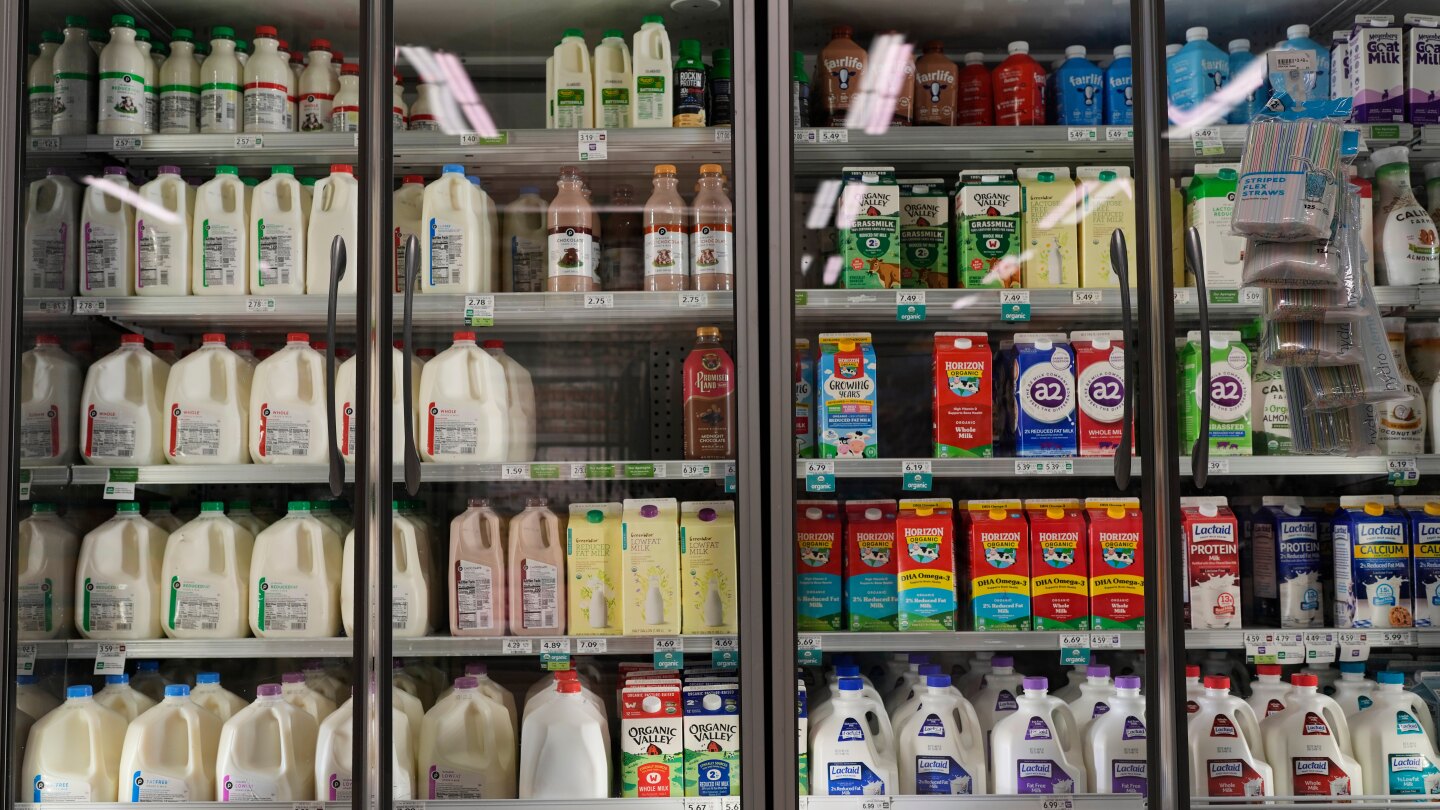
SNAP, a critical component of the U.S. social safety net, serves approximately 12% of Americans and incurs national expenses of roughly $8 billion monthly. The U.S. Department of Agriculture (USDA) initially announced plans to halt SNAP payments starting November 1 due to the shutdown, leaving millions concerned about their next meal.
Several Democratic state officials and city governments, along with nonprofits, have legally contested the administration’s decision. They argue that the federal government has a legal duty to keep SNAP operational, even during a shutdown.
In recent rulings, judges from Rhode Island and Massachusetts mandated that the administration continue funding SNAP. While the judges allowed flexibility in the amount of funding for November, they emphasized the program’s importance.

The USDA holds a $5 billion contingency fund that could support SNAP, but the Trump administration reversed its decision to utilize these funds. Democratic leaders suggest that an additional $23 billion fund could be tapped to sustain the program.
U.S. District Judge John J. McConnell from Rhode Island stated that SNAP funding must proceed with at least the contingency funds and requested an update on the administration’s actions by Monday. Judge Indira Talwani from Boston called the suspension illegal, demanding that USDA continue SNAP payments.
With SNAP benefits potentially delayed in November, states are seeking solutions, including increasing food bank funding or innovating benefit distribution methods. Eligibility for SNAP in 2025 requires a family of four to earn a net income below the federal poverty line, roughly $32,000 annually. Last year, SNAP aid reached nearly 42 million people, predominantly families with children.