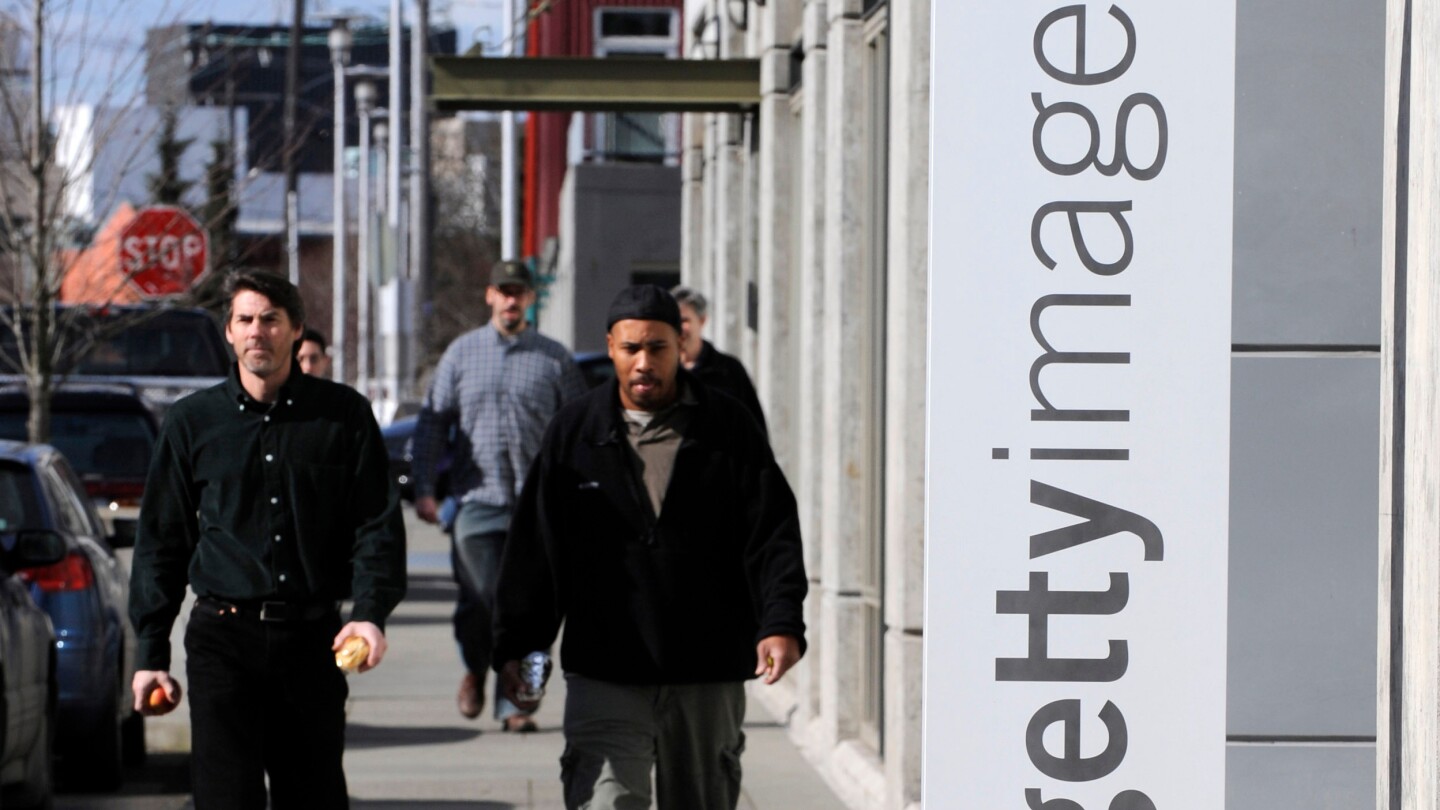
In a landmark decision that could shape the future of artificial intelligence and intellectual property, Stability AI emerged mostly victorious in a British court against Getty Images. The legal battle centered around allegations that Stability AI used 12 million images from Getty’s website without consent to enhance its image generator technology, Stable Diffusion.
The High Court’s ruling is one of the first significant judgments in a series of cases where creative industries like film, literature, and art challenge tech companies over the use of their content to train AI models. The ruling has brought some clarity to the ongoing debate over copyright in the AI sector, although many questions remain unresolved.
Court’s Decision on the Case
The judge’s written ruling acknowledged Getty’s claim of trademark infringement but dismissed most of the other charges. Stability AI, headquartered in London, expressed satisfaction with the outcome, with General Counsel Christian Dowell stating, “This final ruling ultimately resolves the copyright concerns that were the core issue.”
Getty, on the other hand, maintained that the decision was a “significant win for intellectual property owners,” though its shares saw a 3% decline in U.S. pre-market trading.
Legal Nuances and Outcomes
The case hinged on two types of copyright infringement: primary, referring to unauthorized reproduction, and secondary, which involves the distribution of those reproductions. Getty argued that Stability AI’s use of its image collection for training was a primary infringement, a claim that was later dropped during the trial, suggesting Getty believed it wouldn’t stand.
Justice Joanna Smith ruled that Stable Diffusion’s technology did not breach copyright since it does not “store or reproduce any Copyright Works (and has never done so).” However, the issue of trademark infringement was acknowledged, as some images generated by Stability’s system bore Getty’s watermark.
Broader Implications and Ongoing Legal Battles
The case underscores the broader tension between the tech and creative sectors, with AI companies embroiled in over 50 copyright lawsuits. Legal experts like Iain Connor from Michelmores suggest the decision leaves AI training in a “legal limbo” without a definitive judgment on the lawfulness of using copyrighted materials in AI training.
While Getty hasn’t disclosed whether it plans to appeal the decision, it continues to pursue a parallel case in the United States. The ongoing legal challenges highlight the friction between advancing AI technologies and existing intellectual property laws.
As the generative AI industry continues to grow, the resolution of these legal questions will be crucial in determining how AI systems are developed and used, balancing technological innovation with the rights of content creators.
For more details on the lawsuit and its implications, read the full article here.