In a year marked by alignment with President Donald Trump’s policies, Congressional Republicans are now drawing a line as the President seeks to eliminate the Senate filibuster. While Trump’s nominees and major legislative initiatives have seen swift approval, his call to lower the legislative threshold from 60 votes to 51 has met with firm resistance from within his own party.
Senate Republicans, led by figures such as Majority Leader John Thune, argue that the filibuster is a cornerstone of Senate tradition. Thune emphasized, “The filibuster makes the Senate the Senate.” This sentiment underscores the belief that the rule has historically served Republicans well when Democrats held power.
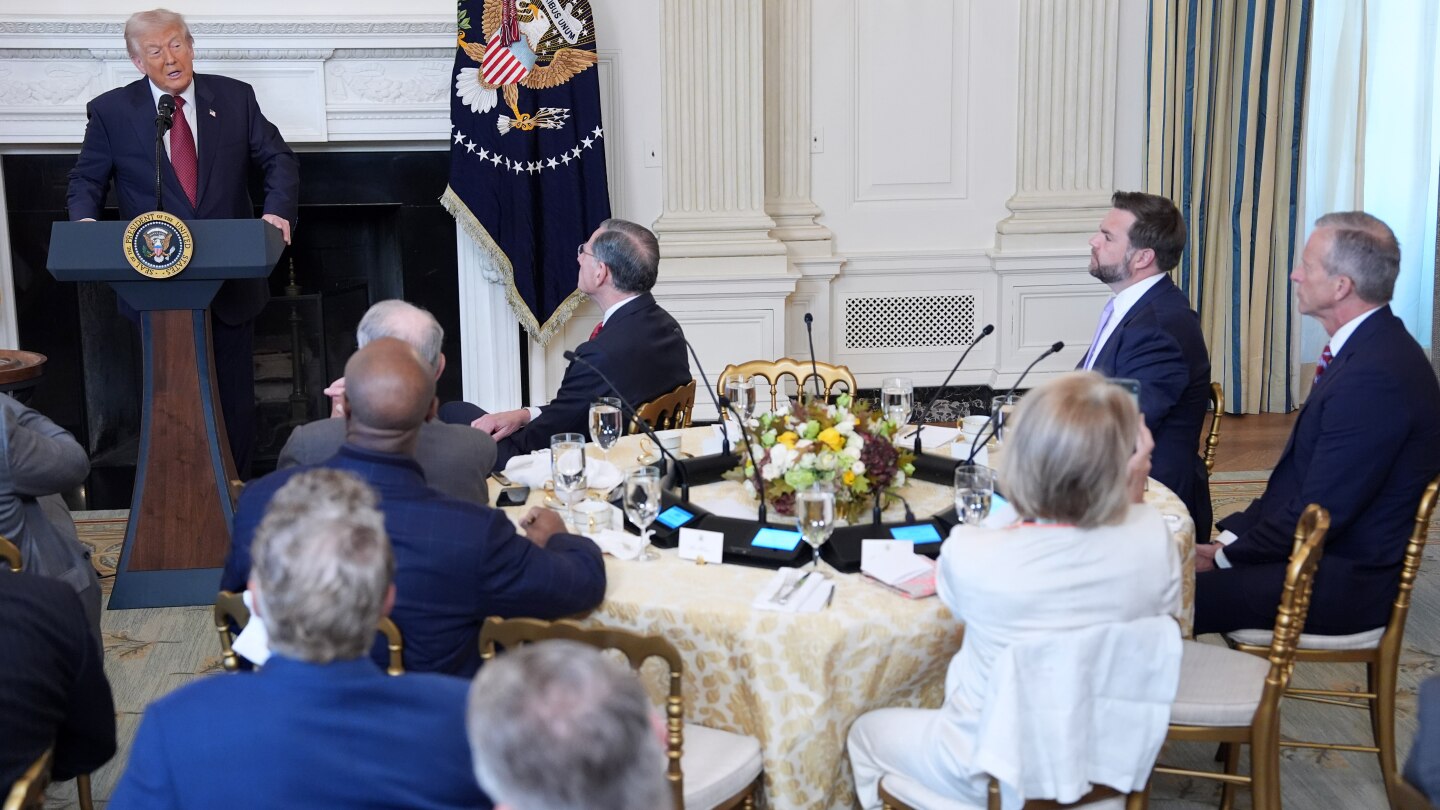
Despite Trump’s repeated appeals, including a breakfast with Senate Republicans and a subsequent video urging them to “fight” and “not be weak,” the push to end the government shutdown by scrapping the filibuster remains unfruitful. In the video, Trump warned, “Republicans, you will rue the day that you didn’t terminate the filibuster.”
Returning from the breakfast, Thune maintained his stance, noting, “I know where the math is on this issue in the Senate and it’s not happening.” The Republicans’ reluctance to alter the filibuster reflects a broader commitment to preserving Senate traditions beyond the current administration.
Senate Institutionalists Uphold Tradition
In past years, Republicans were vocal about maintaining the filibuster when Democrats sought its removal. With a 53-47 majority, they now seem even less inclined to change the rule. Key Republican figures like Sen. John Barrasso and Sen. Mitch McConnell have expressed opposition to any alterations, with Sen. Lisa Murkowski asserting, “The filibuster makes us different from these guys at the other end of the hall.”
Sen. John Curtis of Utah highlighted the filibuster’s role in fostering bipartisanship, stating, “The filibuster forces us to find common ground in the Senate.” Meanwhile, Sen. Thom Tillis assured with “metaphysical certainty” that the filibuster would not be abolished during this Congress.
Speaker of the House Mike Johnson echoed these sentiments, pointing out that the filibuster acts as a safeguard against extreme partisan actions. In a Fox News interview, Trump acknowledged the potential strain on his relationship with Republicans due to his push, yet he remains persistent in his advocacy for change.
Support for Change Gaining Momentum
Despite prevailing resistance, some Republicans align with Trump’s vision. Alabama Sen. Tommy Tuberville, a Trump ally, expressed urgency, saying, “If we need to bust it, let’s bust it.” Similarly, Wisconsin Sen. Ron Johnson found Trump’s arguments persuasive, suggesting that Republicans should act before Democrats potentially take similar steps if they gain power.
Safeguarding Minority Protections
Trump has also suggested removing “blue slips,” a Senate Judiciary Committee procedure allowing minority party input on judicial appointments. However, Thune and Chairman Chuck Grassley have resisted these changes, valuing the process for its historical bipartisan cooperation.
Additionally, Trump proposed allowing recess appointments, bypassing Senate confirmation, but this idea was not pursued following a 2014 Supreme Court ruling that curtailed such powers. Instead, Trump has relied on prompt Senate confirmations for his Cabinet choices.
Partisan Shifts in Nomination Processes
Over the last decade and a half, both parties have reduced the filibuster’s power concerning nominations, with Democrats lowering the vote threshold for most nominations during Obama’s presidency and Republicans extending this to the Supreme Court under Trump. However, the legislative filibuster remains intact, with Thune remarking on its protective role, “The filibuster through the years has been something that’s been a bulwark against really bad things happening to the country.”
For more details, visit the Associated Press.