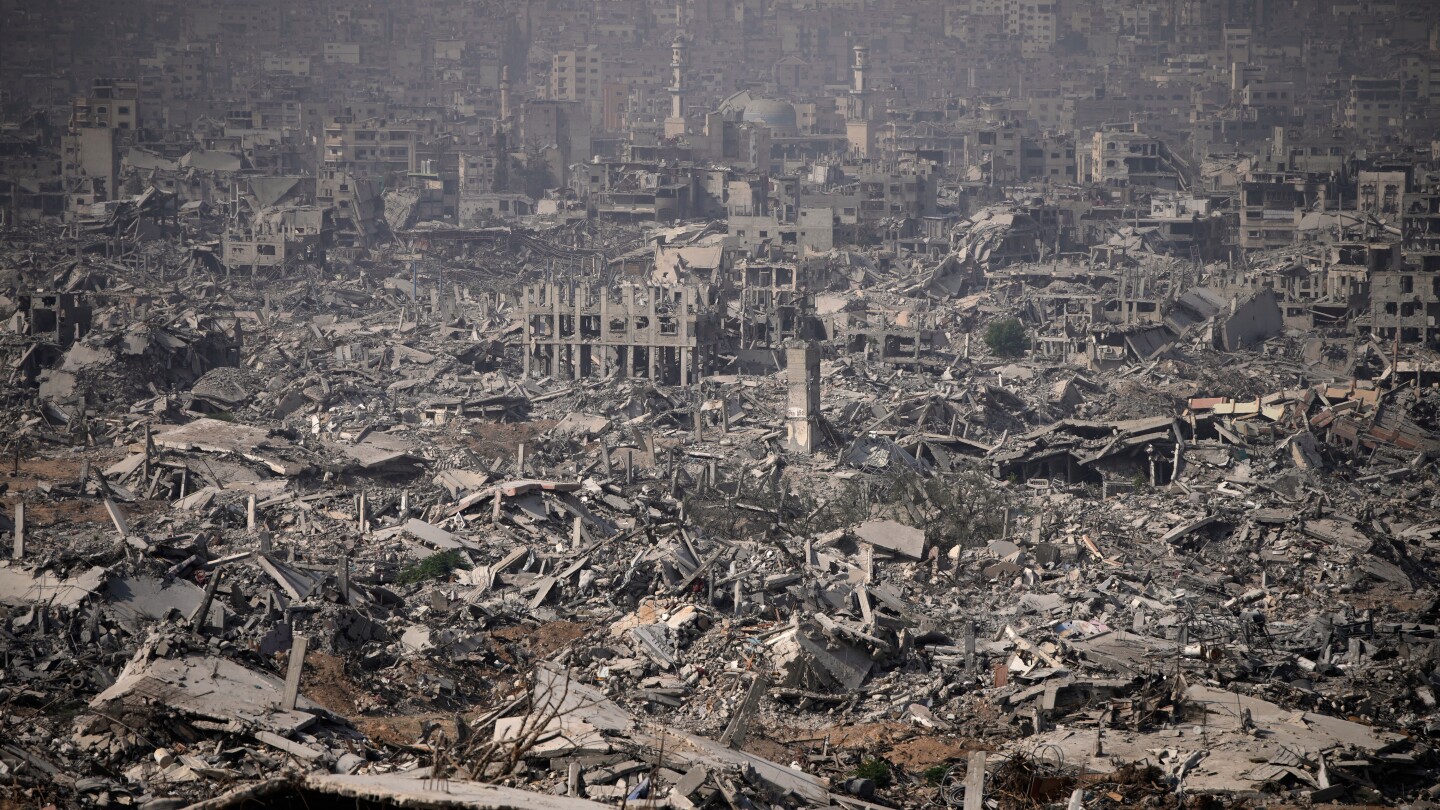
In a recent development concerning international arms trade and foreign policy, a Dutch appeals court upheld a decision allowing the Netherlands to continue selling weapons to Israel. This decision comes despite concerns raised by human rights organizations about potential violations of international law.
The Hague Court of Appeal acknowledged the serious risk of genocide against Palestinians in Gaza but determined that the Dutch government has significant leeway in shaping its foreign policy and national security strategies. This ruling comes as a setback for 10 NGOs that had sought to halt weapon exports and other economic engagements between the Netherlands and Israel.
The plaintiffs based their argument on emergency orders from the International Court of Justice, asserting that these confirmed the necessity to cease weapons sales. Earlier this year, the top U.N. court indicated that it was conceivable that Palestinians were being denied rights safeguarded by the Genocide Convention.
Last year, a lower court established that existing checks were adequate to meet international legal standards. The appeal court’s decision acknowledged the Dutch government’s measures, including halting certain product exports.
The Dutch government has refuted claims of breaching the 1948 Genocide Convention. During a hearing last year, government lawyer Reimer Veldhuis remarked, “Every cooperation is cautiously weighed,” as reported by AP News.
This case coincides with the International Criminal Court in The Hague issuing arrest warrants for Israeli Prime Minister Benjamin Netanyahu and a former defense chief over alleged war crimes in Gaza. Netanyahu has staunchly denied these allegations.
The court’s decision was delayed until a ruling from the Dutch Supreme Court on the export of fighter jet parts to Israel. In 2023, human rights advocates initiated legal action to stop the export of F-35 fighter jet components to Israel, citing potential breaches of international law if used in Gaza strikes.
Recently, the Dutch Supreme Court instructed the government to reassess its suspended export license. Foreign Minister David van Weel expressed skepticism about resuming exports amidst ongoing tensions in Gaza.
Meanwhile, a tenuous U.S.-negotiated ceasefire attempts to quell the hostilities that erupted after a Hamas-led assault on southern Israel resulted in significant casualties and hostages.
In retaliation, Israel launched a large-scale military offensive, with the Gaza Health Ministry reporting over 68,800 Palestinian fatalities. The ministry, part of the Hamas administration, is considered to maintain reliable records by independent analysts.