Supreme Court Faces Landmark Decision on Presidential Tariff Powers
As the Supreme Court prepares to hear Learning Resources v. Trump, echoes of past landmark decisions resonate. This case, which scrutinizes former President Trump’s imposition of extensive tariffs, is drawing comparisons to the pivotal 1952 ruling in Youngstown Sheet & Tube Co. v. Sawyer, which constrained presidential authority.
Back in April 1952, amidst the Korean War, President Harry Truman attempted to seize the steel industry to avert a strike, a move that was ultimately blocked by the Supreme Court. This decision underscored the principle that presidential power has clear limits, a sentiment that resonates strongly today.
Tomorrow, the justices will determine if Trump’s unilateral tariffs are permissible. Former federal judge Michael McConnell, a noted conservative, has labeled it “the most significant case on presidential power since the steel seizure case in 1952.” The outcome could significantly impact both Trump’s economic policies and the Court’s integrity.
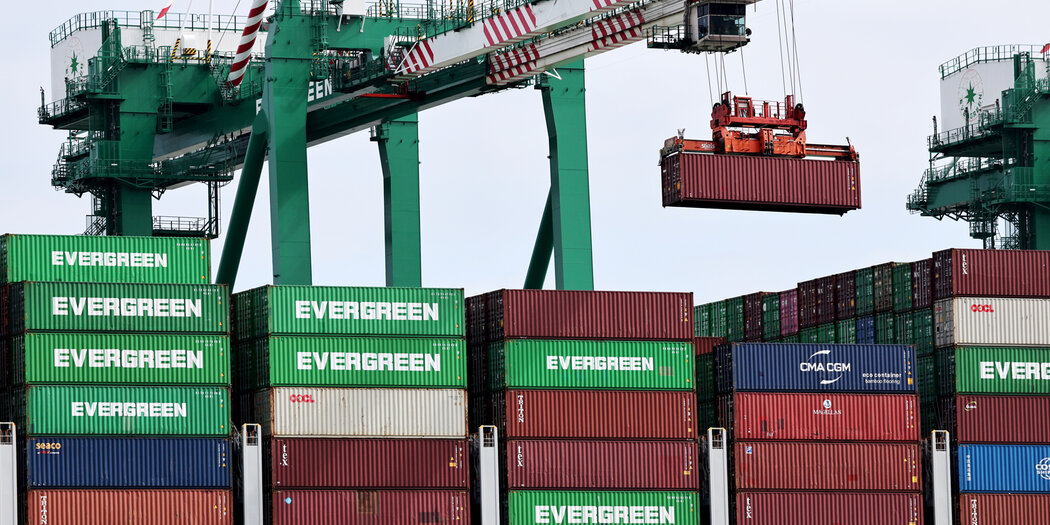
Historically, Congress holds the authority to set tariffs, although it can delegate certain powers to the president. However, Trump’s approach, described as a tax hike by fiat, has been deemed illegal by all courts that have reviewed it. The Trump administration defends the tariffs by citing the International Emergency Economic Powers Act and the National Emergencies Act, claiming these laws provide the necessary authority in emergencies. Yet, as Elizabeth Goitein from the Brennan Center explains, these acts were intended to restrict, not expand, presidential responses to emergencies.
The Brennan Center has submitted a friend-of-the-court brief warning against unchecked presidential power, arguing that allowing these tariffs could enable presidents to bypass Congressional authority using emergency powers.
Concerns about the implications of this case span the political spectrum. Influential figures like George F. Will have expressed alarm, questioning if the Court is preserving its reputation for more significant challenges. Meanwhile, briefs have been filed by a diverse group of stakeholders, including members of Congress, former officials, economists, and institutions like the Cato Institute and the Goldwater Institute.
As the Court deliberates, it faces a challenging choice. Historically, the Roberts Court has emphasized the separation of powers, affirming in 2022 that only Congress can decide “major questions.” Yet, it has also extended unprecedented protections to presidents against criminal prosecution.
Trump’s aggressive tariff strategy raises questions about his motives, especially given the president’s existing authority to adjust tariffs under current trade laws. Both Trump and Biden have previously used these powers to alter tariffs on Chinese goods. If Trump sought more flexibility, he could have petitioned Congress for expanded authority.
However, the apparent illegality of Trump’s approach suggests a broader agenda to weaken the checks on executive power. Echoing Justice Robert Jackson’s concurrence in the Youngstown case, there is a recognized danger in permitting executive power to operate without restraint. Jackson famously wrote, “With all its defects, delays and inconveniences, men have discovered no technique for long preserving free government except that the Executive be under the law.”