In a significant legal development in Chicago, a federal judge has imposed new restrictions on the use of force by federal agents during immigration crackdowns. This decision stems from a lawsuit accusing a leading Border Patrol official of exaggerating threats posed by protesters and journalists, thereby justifying excessive force.
The injunction is part of a broader legal battle initiated by journalists and demonstrators who claim federal agents employed unnecessary force during an operation that resulted in over 3,000 arrests across Chicago and its suburbs. The operation is part of a larger federal intervention strategy in Democratic strongholds.
U.S. District Judge Sara Ellis issued the ruling, stating, “I see little reason for the use of force that the federal agents are currently using,” while questioning the credibility of the defendants’ narrative. Her order mandates that riot control tactics, such as tear gas and pepper balls, should only be used if “objectively necessary” to avert an “immediate threat.” Additionally, physical force is restricted, and agents must issue two warnings before employing riot control measures.
The Department of Homeland Security has announced plans to appeal this decision, criticizing it as an “extreme act by an activist judge that risks the lives and livelihoods of law enforcement officers.”
This legal action coincides with previous court mandates for agents to display identification and refrain from certain riot-control practices against peaceful protesters. Judge Ellis has been vocal about enforcing these measures, adding requirements for body camera usage for transparency.
The judge referenced historical figures and literary works to underscore the importance of protecting First Amendment rights, suggesting that the actions of federal agents might deter individuals from exercising these rights.
The case has put a spotlight on the actions of Gregory Bovino, a Border Patrol commander who has been scrutinized for his role in the crackdown. Bovino faced allegations of using undue force, including an instance where he falsely claimed to have been attacked, a claim he later recanted after video evidence contradicted his statement. He has faced multiple closed-door depositions amid ongoing legal challenges.
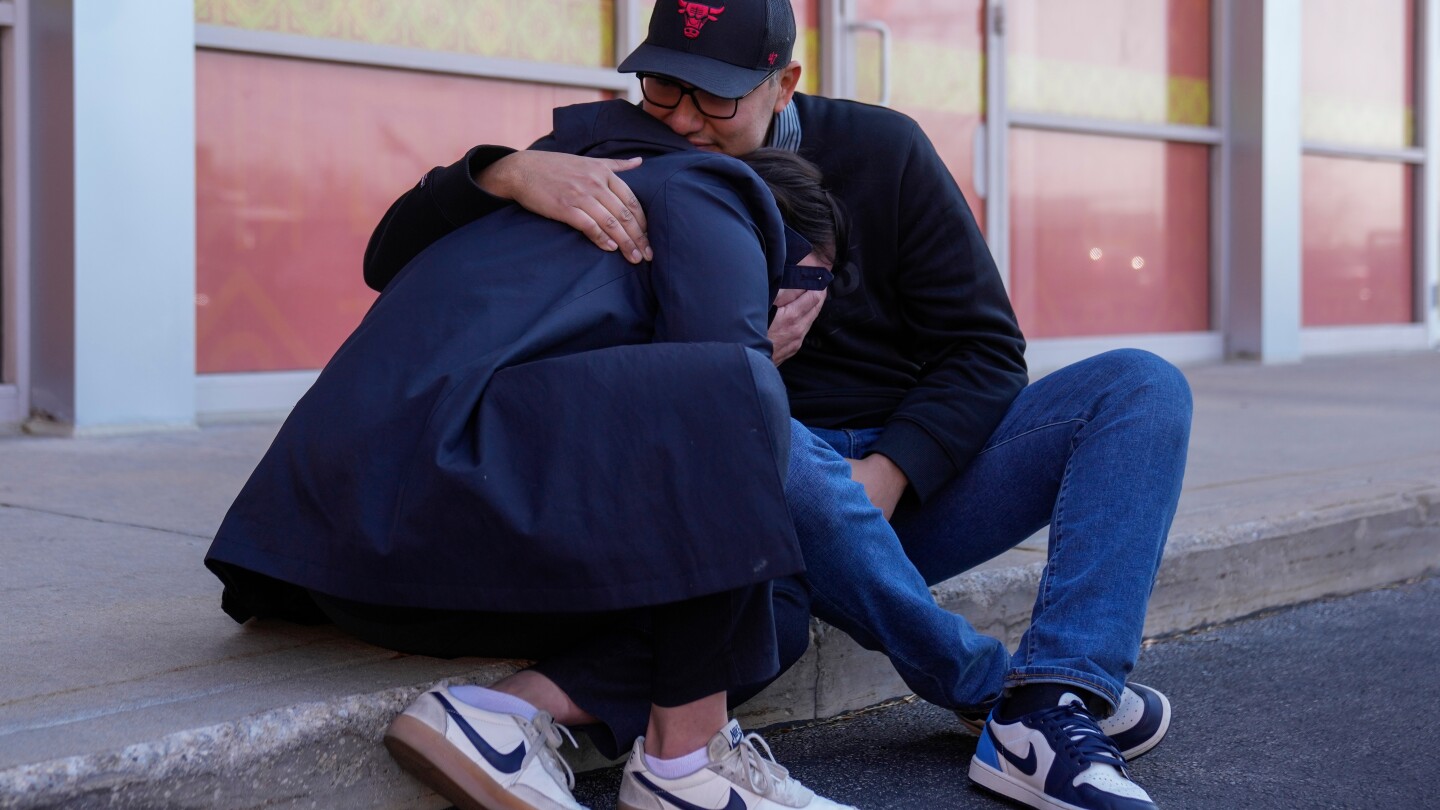
During the court proceedings, emotional testimonies were heard from witnesses who described experiencing tear gas, being hit with pepper balls, and facing firearms during the operation. These accounts highlighted the personal impact on those involved, with many expressing reluctance to continue participating in protests due to safety concerns.
As the legal battle continues, the implications of this ruling could extend beyond Chicago, influencing federal law enforcement practices in other regions.
Stay up to date with the news and the best of AP by following our WhatsApp channel.