The future of same-sex marriage legality in the United States might soon be up for debate once again. The U.S. Supreme Court is slated to review several new cases during a private meeting, including an appeal challenging the 2015 landmark decision that legalized same-sex marriage across the nation.
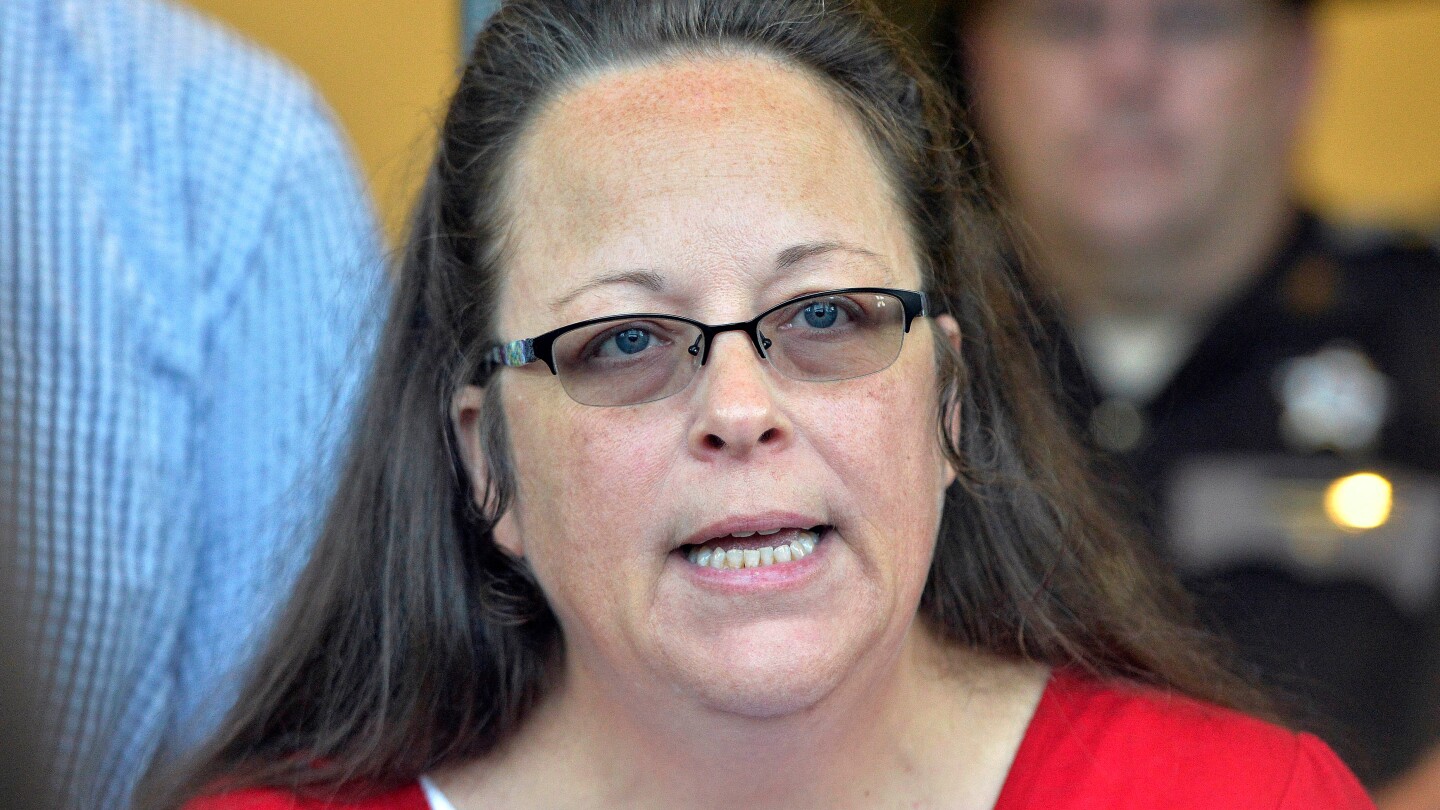
Among the cases is an appeal from Kim Davis, a former Kentucky court clerk, who gained notoriety for refusing to issue marriage licenses to same-sex couples after the Supreme Court’s decision in Obergefell v. Hodges. Davis is seeking to overturn a lower court ruling that mandates her to pay $360,000 in damages and attorney’s fees to a couple she denied a marriage license.
The Supreme Court justices might announce their decision on the case as early as Monday. Davis’ legal team has heavily referenced Justice Clarence Thomas’s previous statements, in which he suggested that the same-sex marriage ruling should be reconsidered.
Justice Thomas was among the four justices who dissented in the 2015 decision. Chief Justice John Roberts and Justice Samuel Alito, who also dissented, continue to serve on the court. Although Roberts has remained quiet on the issue since his dissent, Alito has expressed criticism but clarified he is not advocating for the decision to be overturned.
Justice Amy Coney Barrett, who joined the court after the 2015 decision, has noted that there are instances where the court should rectify past rulings, as seen in the 2022 decision ending the constitutional right to abortion. However, Barrett has indicated that same-sex marriage might differ from abortion, given the societal reliance on the ruling for marriage and family planning.
Davis’s refusal to comply with the court’s decision brought significant attention to Rowan County, Kentucky, where she was a clerk. Her actions, rooted in her personal religious beliefs, led to her imprisonment for contempt of court in September 2015, a stance she maintained until her staff issued licenses without her name. Subsequently, Kentucky’s legislation removed the names of county clerks from marriage licenses.
In 2018, Davis lost her bid for reelection. The case remains a focal point in ongoing discussions about religious freedom and civil rights in the United States.