President Donald Trump is shifting his focus to tackle the cost of living concerns that have become a significant issue for voters. His strategy includes highlighting new tax breaks and efforts to control inflation. This move arrives in response to recent elections where economic worries dominated voter concerns.
The Trump administration is now emphasizing affordability, especially following the elections where Democrats capitalized on economic anxieties to secure victories in New Jersey and Virginia. These results have turned a former strength for Trump into a potential vulnerability as the 2024 presidential race looms.
Although White House officials, speaking on condition of anonymity, insist that affordability has always been a priority, Trump intends to make it a more prominent feature of his public engagements. This was evident when he announced that Eli Lilly and Novo Nordisk would reduce prices of their anti-obesity drugs.
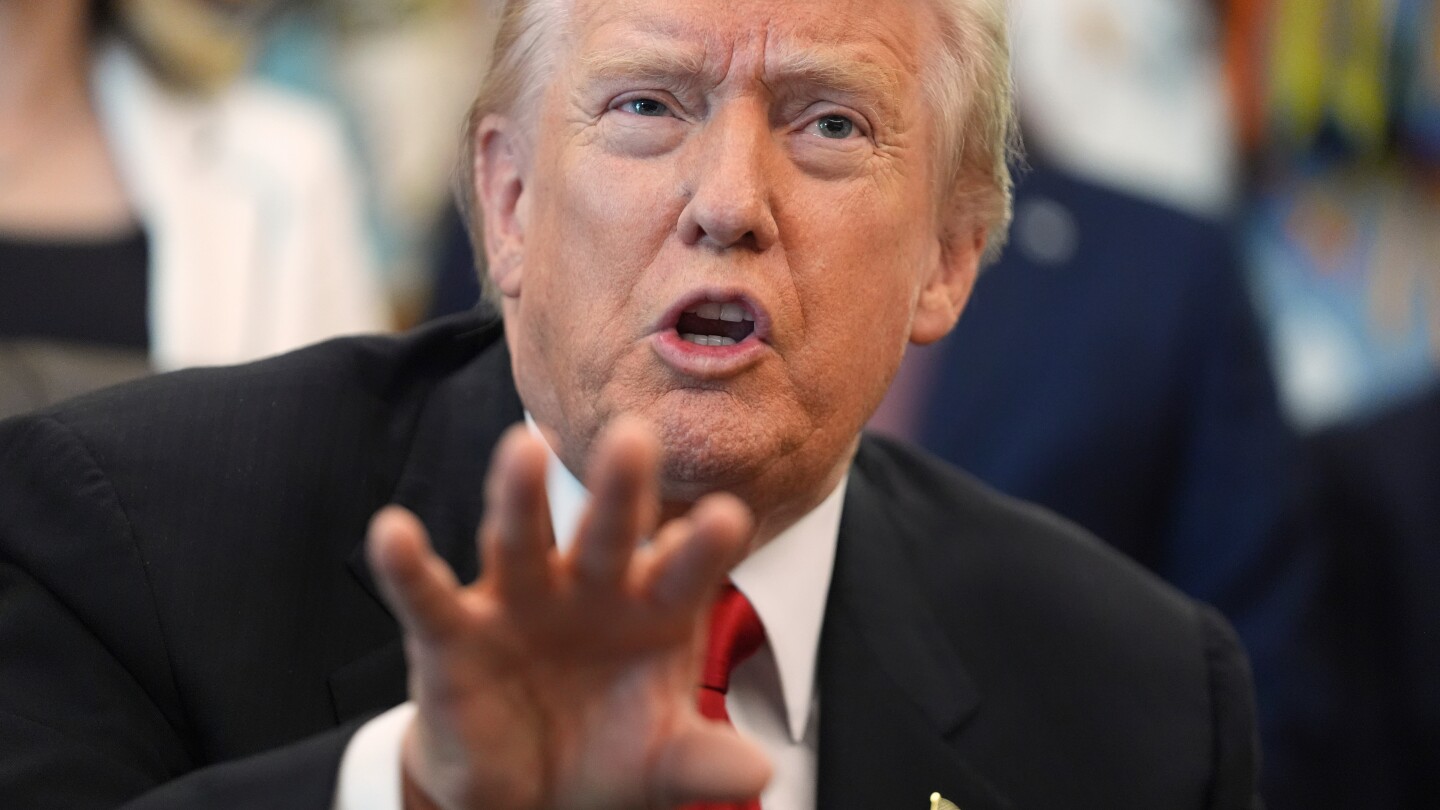
During a recent Oval Office event, Trump declared, “We are the ones that have done a great job on affordability, not the Democrats,” while criticizing the opposing party’s narrative on economic issues. His administration is also actively using social media to highlight price trends, especially with Thanksgiving approaching.
The Inflation Challenge
Despite the administration’s efforts, inflation remains a pressing concern, having risen to an annual rate of 3% as of September. This increase from 2.3% in April followed the imposition of significant tariff hikes, adding uncertainty to the economy. Voter polls confirm that economic issues were paramount in several key election regions.
While grocery prices continue to rise and electricity bills become a concern, job growth has decelerated. However, the White House points to record stock market highs and foreign investment as positive indicators. Trump has also highlighted reductions in gasoline prices, though AAA figures show a national average of $3.08 per gallon, slightly lower than the previous year.
White House spokesman Kush Desai stated, “Americans are paying less for essentials like gas and eggs, and today the Administration inked yet another drug pricing deal to deliver unprecedented health care savings for everyday Americans.”
Upcoming Fiscal Measures
As the administration prepares for the upcoming tax season, it plans to underscore the impact of Trump’s income tax cuts on potential refunds. These cuts are part of a comprehensive bill passed by Republicans. The administration believes that lowering prices and boosting wages are crucial for tangible economic progress.
The administration is optimistic about economic improvements in the coming months, with anticipated interest rate cuts and a reduction in the federal deficit expected to boost financial markets. However, the economy’s unpredictability poses a challenge, as demonstrated by the inflation spike during Joe Biden’s presidency.
Trump’s administration argues it is managing an inflation challenge inherited from Biden, though new research suggests Trump’s tariffs have exacerbated the issue. According to a study by Harvard economist Alberto Cavallo and others, inflation could have been significantly lower without these tariffs.
The future of Trump’s tariffs is under Supreme Court review, with justices expressing skepticism about the administration’s claims regarding presidential tariff authority. Although Trump has occasionally asserted that foreign countries bear the tariff costs, he recently acknowledged, “They might be paying something,” while maintaining that Americans benefit greatly overall.