Arizona’s election process is under scrutiny as lawmakers and strategists debate potential changes to improve efficiency and security. This discussion comes as the state’s political landscape remains contentious, with proposals and reforms stirring both support and concern among voters.
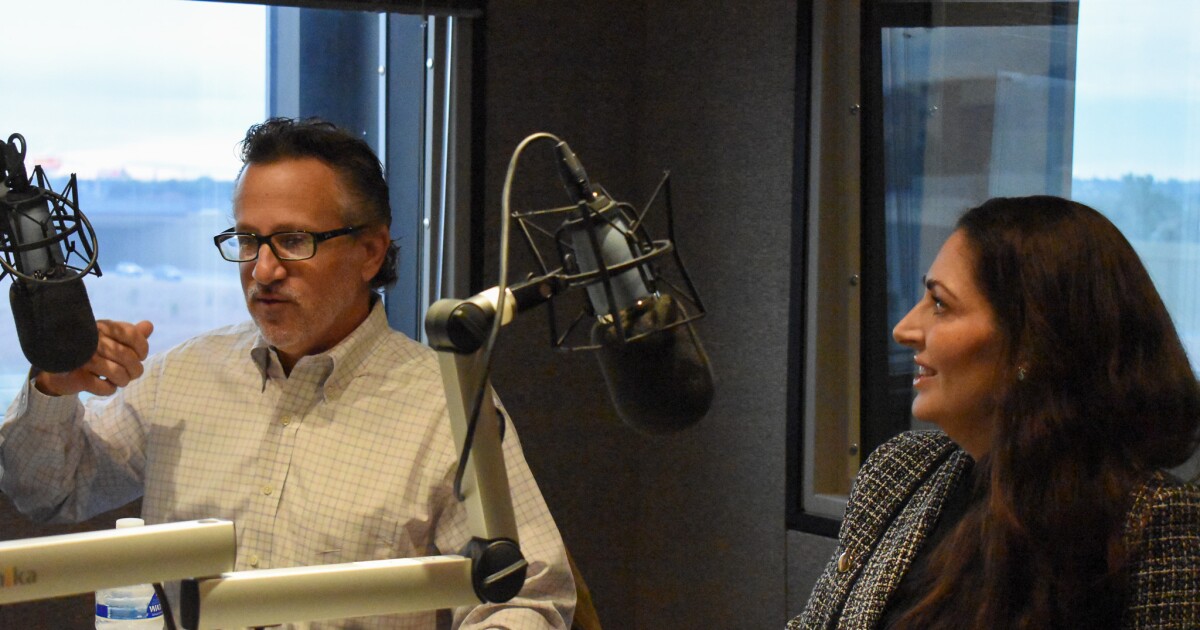
In a recent episode of KJZZ’s Friday NewsCap, Marcus Dell’Artino from First Strategic and Dawn Penich from Agave Strategy explored the implications of the proposed Arizona Secure Elections Act. State Rep. Alexander Kolodin, who introduced the act, argues that Arizonans are weary of perceived chaos in the electoral process.
Proposed Election Reforms
A key component of the proposed legislation requires proof of citizenship for voting in federal elections, despite previous legal challenges. Dell’Artino, however, suggests reframing the issue: “I don’t think there is chaos in our elections. I think what people are trying to say is we would like to have a result quicker, faster.”
He notes the lengthy ballot-counting process, exacerbated by voters dropping ballots on election day. Dell’Artino anticipates that solving this will require significant voter education and could provoke anxiety during initial implementation.
Controversial Aspects and Voter Access
One contentious proposal involves requiring early ballots to be submitted by 7 p.m. the Friday before Election Day, with the active early voting list being updated biennially. Penich expresses concern that these changes could disenfranchise certain voter demographics, particularly those with less flexibility.
Penich argues, “we’re starting to use this notion of election security and improvement as just a code word for what, in effect, is actually disenfranchising people.” She emphasizes that Arizona’s current election system is often praised for its flexibility and access.
Legislative Hurdles and Political Calculations
The proposed reforms would bypass the governor and go straight to voters if passed by the Legislature. However, Penich notes the challenges in promoting such ballot measures, as many past initiatives have faded due to a lack of advocacy and funding.
Dell’Artino acknowledges the ongoing debates among Republicans about election integrity but warns that changes could inadvertently disrupt their historically strong early voting performance. He speculates on potential opposition, such as from Turning Point, but acknowledges the unpredictable nature of political campaigns.
Signature Rejections and Election Concerns
Recent elections saw a spike in rejected ballots, with Maricopa County Recorder Justin Heap’s office rejecting signatures at a rate nearly three times higher than usual. Dell’Artino highlights this as a potential issue for future elections, questioning the impact on voter disenfranchisement.
Penich stresses the importance of transparency and scrutiny in the election process, especially with new election officials and ongoing legislative proposals: “everything has to be looked at…ahead of what we all agree is going to be the most controversial, the most high-tension election cycle any of us have ever heard of.”