Despite a notable reduction in Arizona’s overall child death rate in 2024, vaccine-preventable disease fatalities have alarmingly risen, according to the recent Child Fatality Report. This report, released annually by the state’s Child Fatality Review Program, serves as a crucial tool for shaping policy decisions and healthcare strategies aimed at decreasing preventable child deaths for those aged 0 to 17.
The findings reveal that 791 children died in Arizona in 2024, marking a 7.6% decrease in the child death rate per 100,000 compared to 2023. This decline is largely attributed to fewer deaths from homicides, suicides, substance abuse, and premature births. Dr. Mary Rimsza, chair of the Arizona Child Fatality Review Team, noted, “We did see some decreases in deaths in a number of categories, which was very good news.” However, she also pointed out some troubling trends.
This year marks the third time the report has included a specific category for deaths caused by infectious diseases. “We decided to add this to the report [in 2023] as we noted that more of the ‘natural’ or ‘medical’ causes of death were due to infectious diseases,” said Rimsza. The data indicates a 16% increase in child deaths from infectious diseases in 2024, totaling 109 fatalities, with about 36% of these deaths deemed preventable through vaccination or other measures.
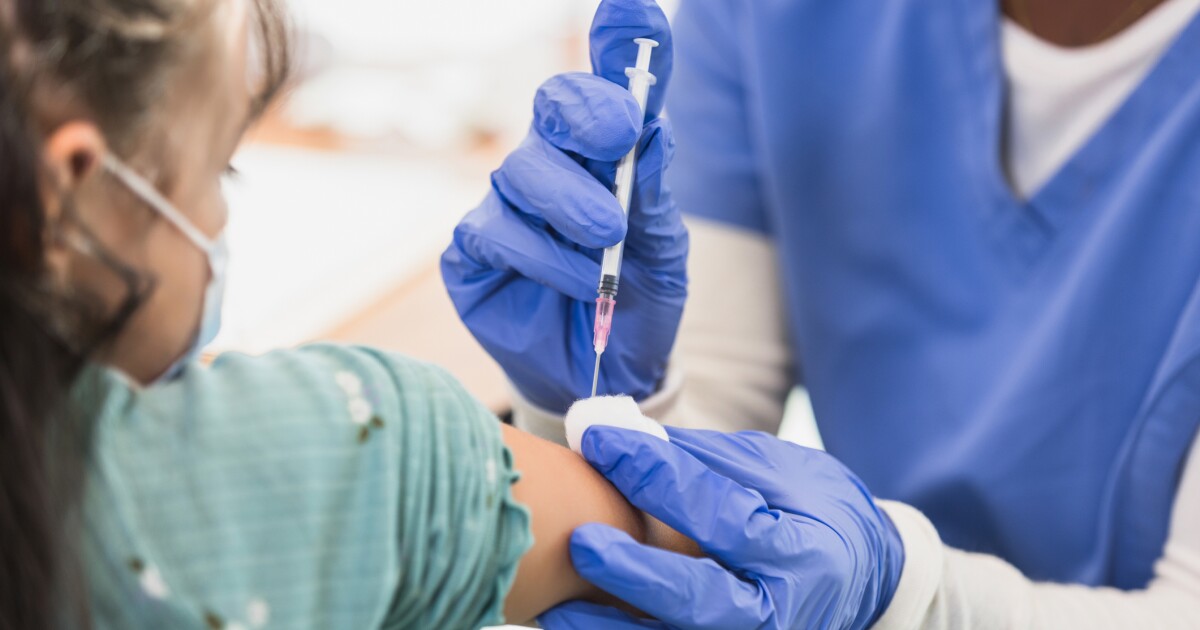
Rimsza attributes this troubling rise to “misinformation and misunderstanding about the safety of the vaccines versus the danger of the diseases that they prevent.” Arizona’s declining vaccination rates over the past decade underscore this concern. For instance, the percentage of kindergarteners vaccinated against measles, mumps, and rubella dropped from 94% in 2014 to under 89% by 2024, with similar trends seen in other vaccine-preventable diseases.
Amidst this backdrop, the U.S. Centers for Disease Control and Prevention (CDC) has revised its stance under the guidance of Health Secretary Robert F. Kennedy Jr., suggesting that a link between childhood vaccines and autism cannot be dismissed. This change, which contradicts established public health consensus, has drawn criticism. Dr. Susan J. Kressly, president of the American Academy of Pediatrics, stated, “We call on the CDC to stop wasting government resources to amplify false claims that sow doubt in one of the best tools we have to keep children healthy and thriving: routine immunizations.” Her full statement can be found here.
In light of the increasing deaths from infectious diseases, the Arizona Child Fatality report recommends that health departments boost vaccine confidence through effective communication of vaccine safety. The report also emphasizes that 65% of the infectious disease-related deaths involved children under one year, urging parents to protect infants from exposure to unvaccinated individuals who might carry contagious illnesses.
Rimsza advises families, “Our recommendation to families is that they talk to their physician about vaccines, that they do not delay vaccines, because every time you delay it, you increase the chance your child will be exposed to a vaccine-preventable disease.”